From Mona to Havana and back again - Cuba-trained medical doctor Dominique Whitely recounts gritty seven-year pursuit of degree
Loading article...
-
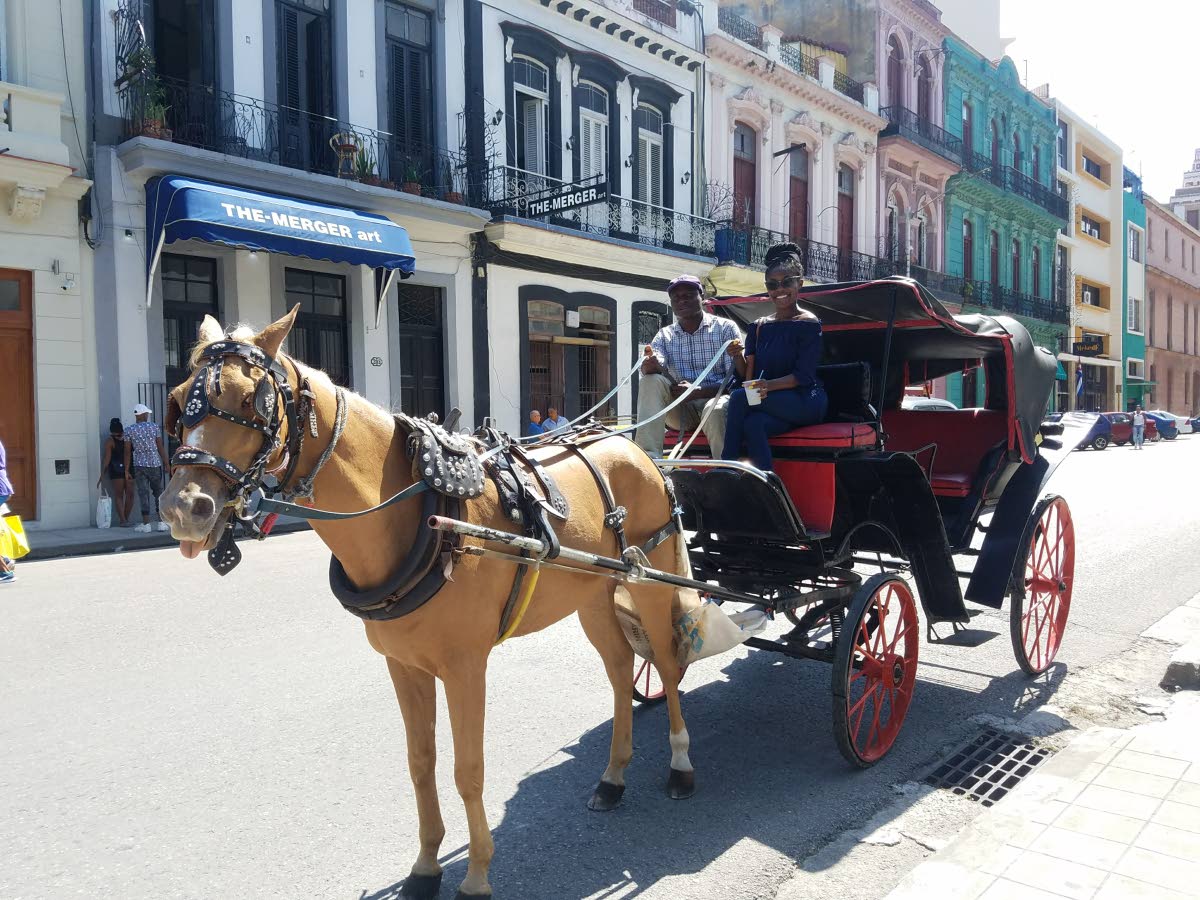 Dominique Whitely in Cuba. Contributed
-
Dominique Whitely in Cuba. Contributed
-
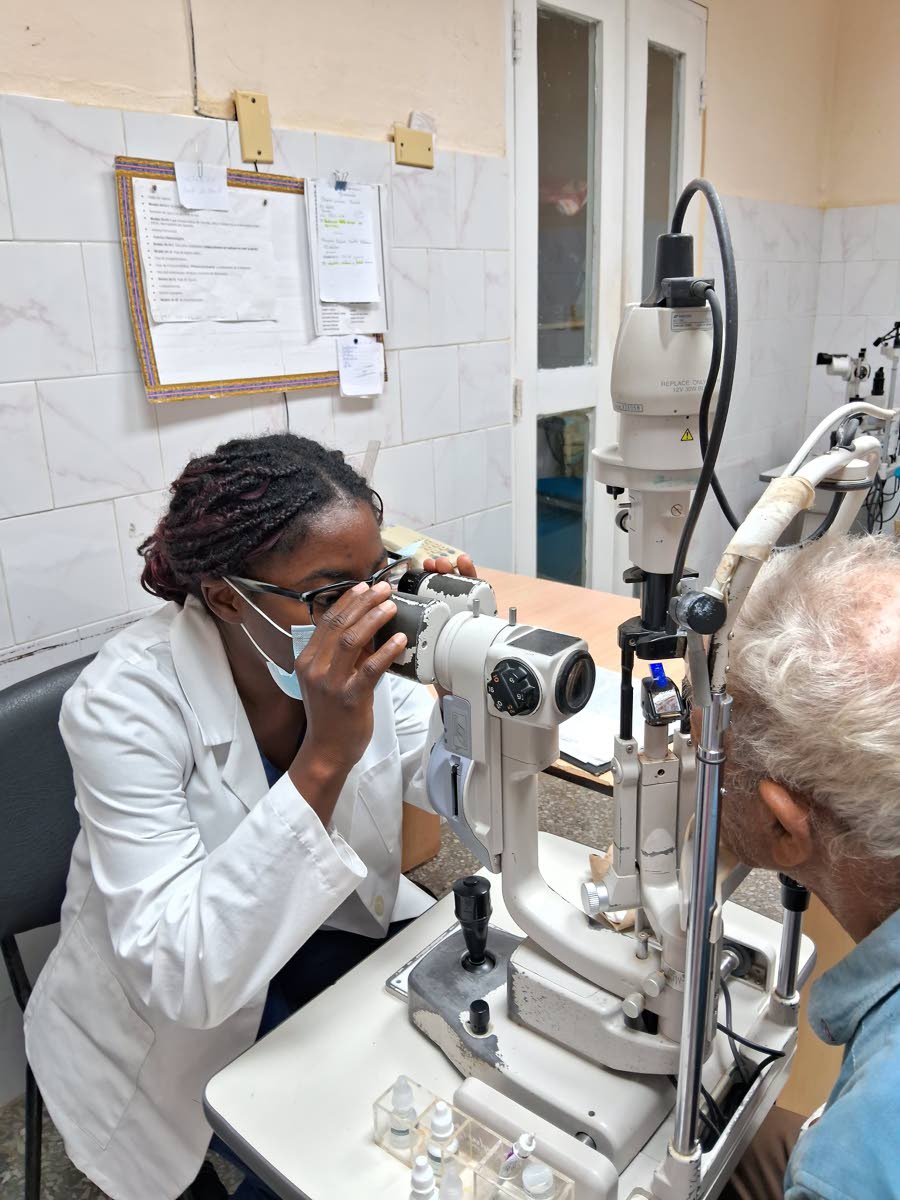 Dominique Whitely Contributed
-
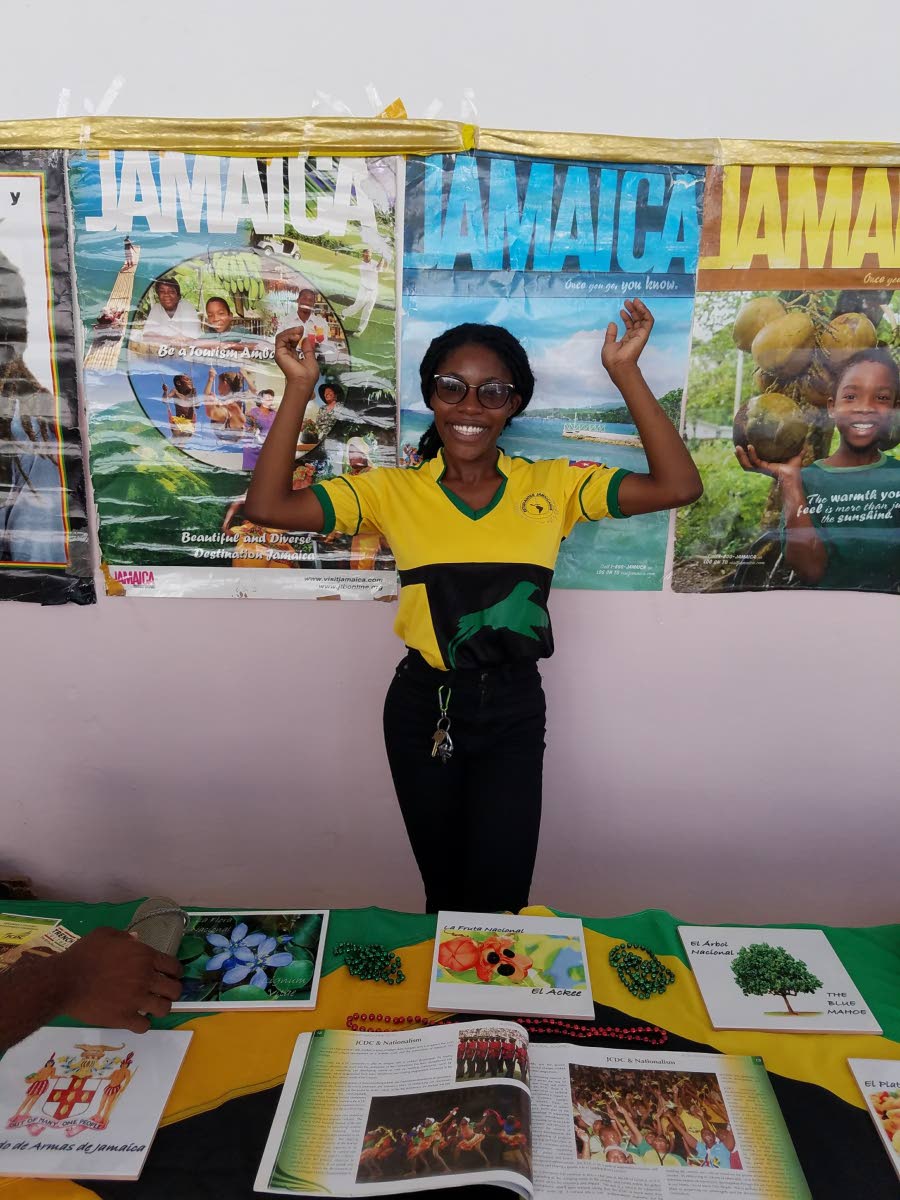 Dominique Whitely, Cuba-trained Jamaican medical doctor. Contributed
-
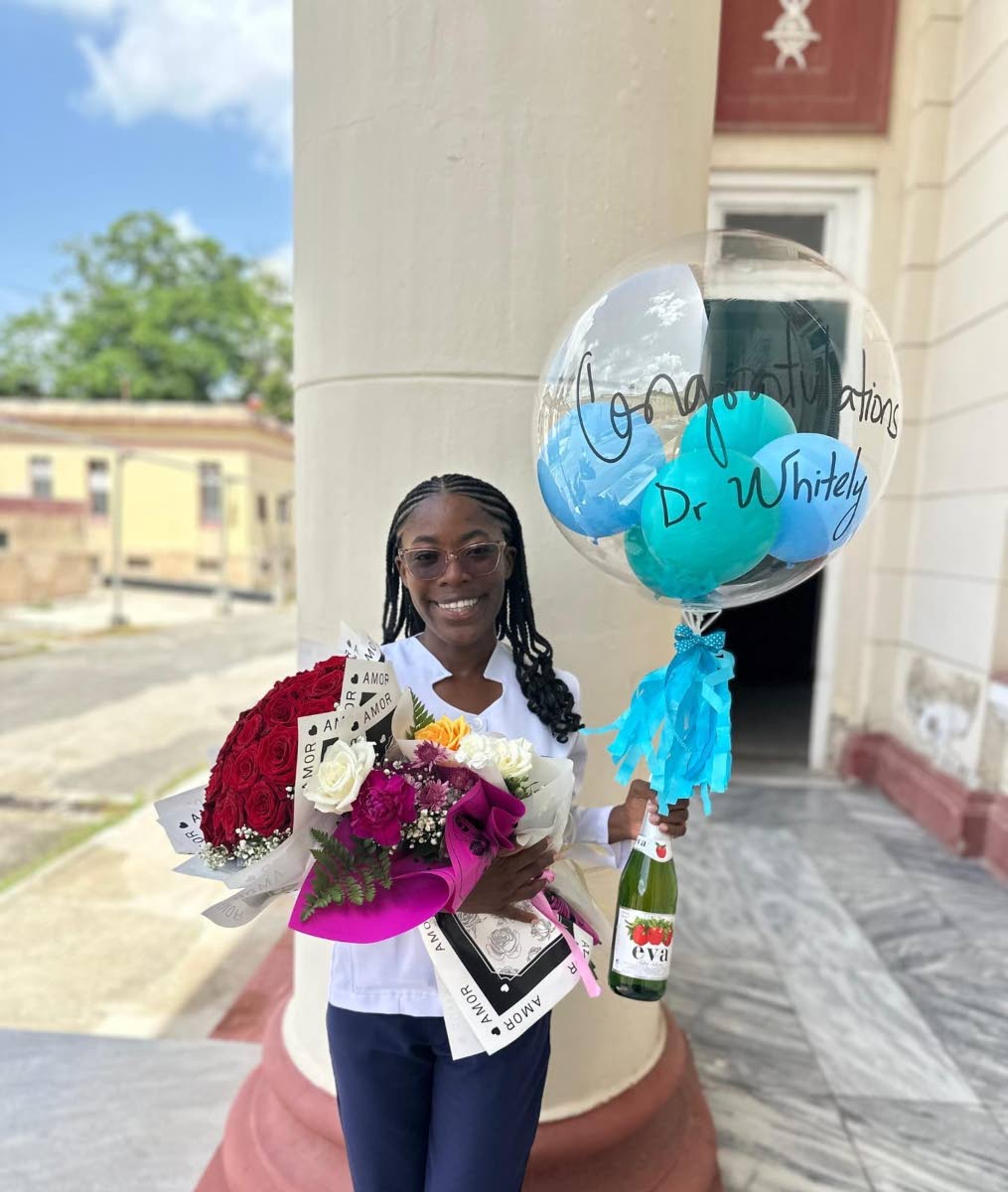 Dominique Whitely, Cuba-trained Jamaican medical doctor. Contributed
-
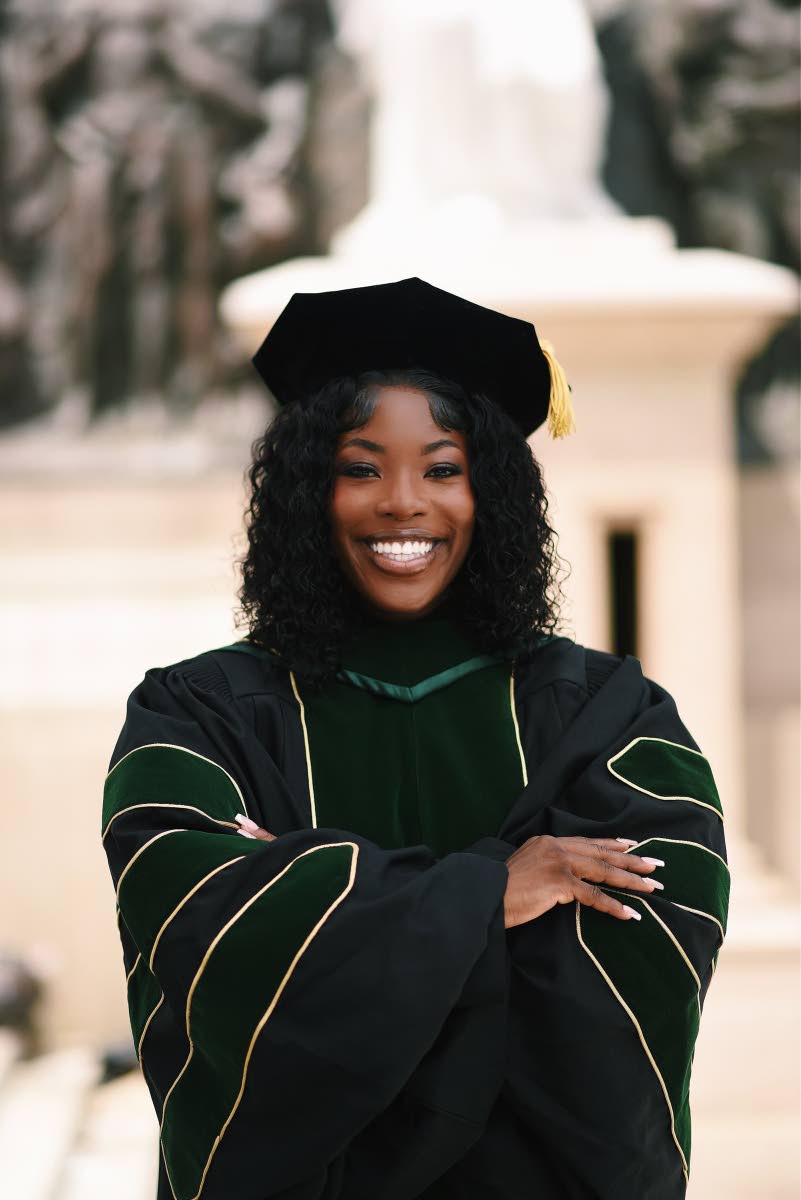 Dominique Whitely, Cuba-trained Jamaican medical doctor. Contributed
-
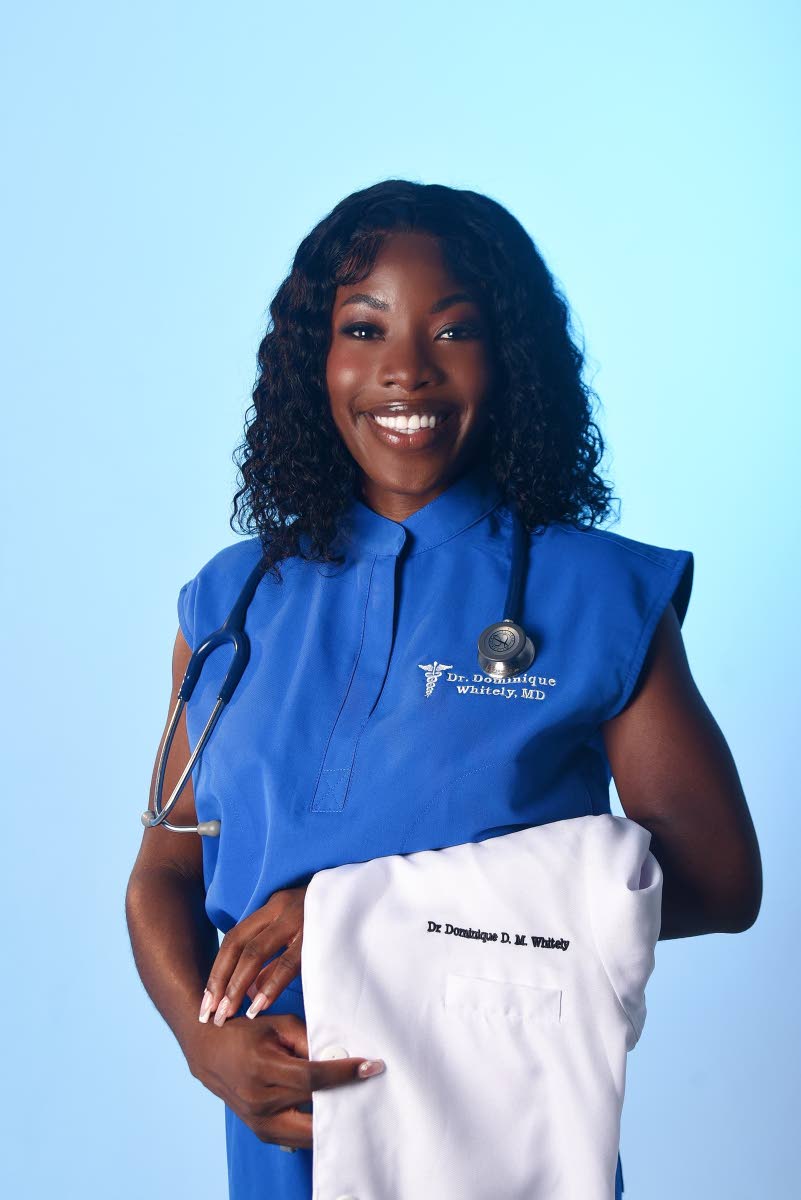 Dominique Whitely, Cuba-trained Jamaican medical doctor. Contributed
Armed with a newly minted medical degree and seven years’ worth of resilience forged in resource-starved Havana, 29-year-old Dominique Whitely has brought her stethoscope back to Jamaica, ready to take on the weight of the country’s healthcare system.
For Whitely, the journey began inside a classroom at The University of the West Indies (UWI), Mona. Accepted into the sought-after Bachelor of Medicine, Bachelor of Surgery (MBBS) programme, her medical dream was under way.
But the cost of the programme became a burden.
Whitely said that, even with subsidised tuition of $625,000 per semester, the cost threatened to cut her ambitions short.
The Jamaica-Cuba Bilateral Scholarship programme offered an alternative path, and she took a leap of faith by applying.
“Scholarship trumps paying student loans,” the medical doctor recalled with a smile.
But accepting it meant signing up for a seven-year commitment in a foreign country, two years longer than the programme at Mona. It also meant that she would have to learn medicine entirely in Spanish, having studied French at the Constant Spring-based Immaculate Conception High School.
“They invited the successful candidates to come for a second interview. And then they said, ‘Alright, these are the selected few who will take on the journey to Cuba’,” she told The Sunday Gleaner.
“I was apprehensive at first. I had a lot of discussions with family, with friends, just trying to get advice on what they think I should do. But after praying about it, I was just like, ‘Well, I’m just going to take the chance,’” she recalled.
Eight people were selected and, on August 20, 2019, Whitely packed eight suitcases – complete with an ironing board – and boarded a flight to Havana alongside the other seven recipients.
The culture shock was immediate, she recalled.
“Cuba, as a lot of people like to describe it, takes you back in time,” she said, describing classic 1956 Chevys, Ladas, and horse-drawn carriages sharing the streets.
“Everything is colourful, everything is just beautiful there. But they still use horse and carriage for transport, so it takes you back in time… And I didn’t know any Spanish. The most I knew was, you know, ‘Hola,’ ‘Cómo estás?’, ‘Uno, dos, tres,’ but nothing more. And so you are arriving in a country, you don’t speak the language. It was different,” she said, adding that it also took some time to adjust to the food.
But the real challenge remained ahead.
As the years progressed, so, too, did her struggles as an ‘extranjera’ (foreigner) alongside the Cuban people.
Geopolitical tensions with Washington and the ensuing economic strain tightened their grip on the island.
... interns under gruelling conditions
By her final year, severe fuel shortages had triggered widespread, unpredictable blackouts across Havana. Whitely and her fellow students found themselves navigating 24- to 32-hour hospital shifts as interns under gruelling conditions, treating patients in facilities where even basic medications were in short supply. She recalled that personal items, too, were beyond their reach.
“A lot of things weren’t available, just the basic things. You couldn’t get a little toothpaste if you needed that, but I had it. But if you wanted that, if you went to the supermarket, you would not see that. And so initially it was like that, just because of the embargo and the lack of resources in the country overall,” she said.
Over time, resource availability improved through increased imports and US cash acceptance, but prices became significantly more expensive.
Moments when
I felt scared
“Coming down to the end, right when we were close to the finish line, is when things got particularly difficult,” Whitely admitted. “There were definitely moments when I felt scared... but giving up was not an option. You cannot leave without getting the degree after studying for seven years.”
In the months ahead of her return to Jamaica, severe fuel cuts escalated Cuba’s blackouts from predictable, scheduled four-hour outages to unpredictable daily disruptions, putting a strain on transportation and everyday life.
“So coming closer to the end, I would say, is when it got the most challenging during the entire journey there. Because initially it wasn’t that bad. I mean, it was bad, but it wasn’t that bad. But coming down to the end, right when we’re close to the finish line, is when things got particularly difficult,” she said.
A US military invasion in Venezuela that saw the capture of President Nicolas Maduro in January 2026 abruptly crippled Cuba’s primary lifeline. For decades, Havana had relied heavily on subsidised Venezuelan crude oil. The sudden collapse of shipments plunged the already struggling island into a severe energy crisis.
Geopolitical shockwaves
For Whitely and her fellow medical students, the geopolitical shockwaves were felt instantly on the ground.
She witnessed first-hand how international conflict reshaped the daily reality of Cubans, healthcare workers and patients.
“You didn’t know how long the situation would last for or how much it would affect your studies, or, you know, if it would affect the ability to complete the programme,” she said.
“I was in my internship, and for internship, it was already so demanding. But then, after realising that there are just certain things that you can’t really control, so it was more of a giving up was not an option. It was more of, ‘Okay, how do we get through this and ensure that we get our degree’ at the end.”
Relying on the resilience and warmth of the Cuban people, strong support networks, including the school administration at the Escuela Latino Americana de Medicina (Latin American School of Medicine), and pure determination, Whitely said she pushed through demanding internship rotations in paediatrics, internal medicine, surgery, obstetrics and gynaecology, and family medicine to complete the programme.
“I just thank God for grace, and thank God for a good community, thank God for good support systems, because you just had to lean on each other during the time to ensure that we just did what we had to do.”
Having visited Jamaica on school breaks to stock up on supplies, Whitely touched down at Norman Manley International Airport on August 22, this time for good.
She wept.
“I remember tears just falling from my eyes, just like, ‘Wow, you’re finally home’,” she said. “It was just such a sense of relief and gratitude to know that you went and you didn’t give up.”
The physician is currently completing a mandatory four-month observership. This is a transitional period designed to help foreign-trained doctors adjust to local hospital protocols and translate their clinical expertise back into English.
Following her observership, she is expected to fulfil her scholarship bond through a second internship in Jamaica, rotating through core hospital departments over the next year.
Looking back on her seven-year journey from Mona in St Andrew to Havana and back, Whitely said she has no regrets.
“You become a bilingual doctor, you’re exposed to different cultures and a different language,” she said. “I am so happy that I took that chance on myself.”
kimone.francis@gleanerjm.com