When did being ‘fine’ become a full-time job?
Loading article...
-

-
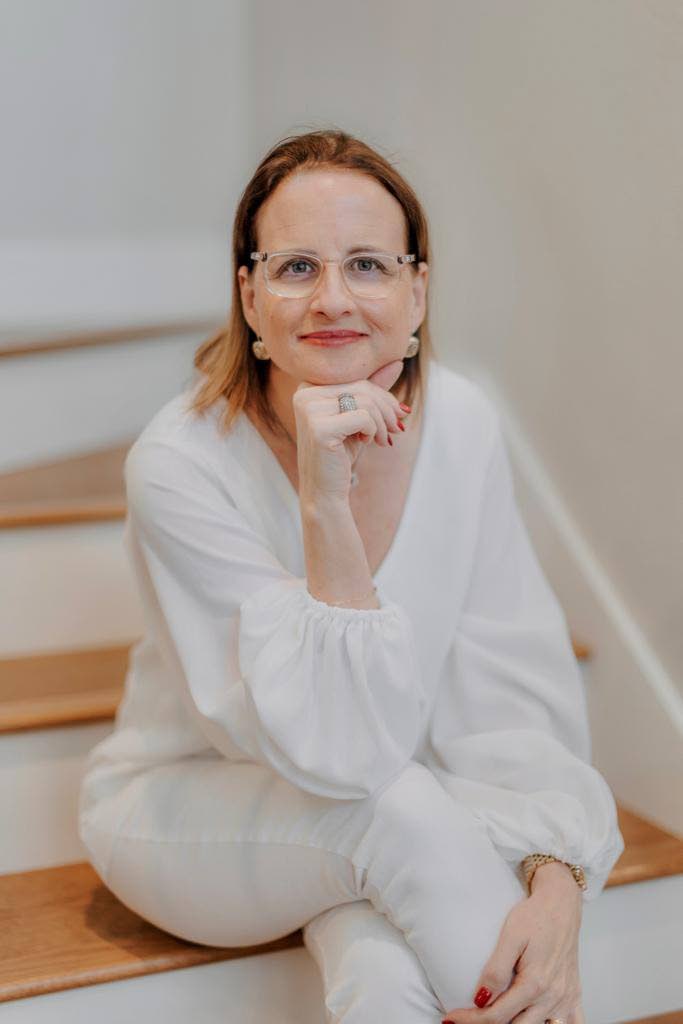 Nicola Clarke
How are you? I am fine! There it is. Two words carrying more emotional baggage than any two words should reasonably be expected to handle.
According to life coach Nicola Clarke, ‘I am fine’ has become the automatic response many people give when they are tired, overwhelmed, annoyed, stretched too thin, questioning half their life choices or simply wondering why everyone seems to need them at exactly the same time.
‘Fine’ is efficient and it is polite. Most importantly, it prevents the person who asked from having to cancel the rest of their afternoon,” Clarke said. Somewhere along the way, many people have become exceptionally good at being fine.
They get up, get dressed, go to work, answer the messages, remember the birthdays, check on the children, parents, partners and friends who are going through something. They make the appointments, solve the problems, and somehow find the thing that everyone else has apparently looked ‘everywhere’ for.
From the outside, they appear to have everything under control. People describe them as strong, dependable and capable. However, Clarke believes there is a question that often goes unasked of the person who is always handling everything.
How are you, really? It is a very different question from ‘Are you coping?’ or ‘Are you managing?’ or even ‘Are you getting everything done?’ The deeper question is whether you are actually happy. “There’s a difference. Sometimes we don’t realise how big that difference is until life becomes a very efficient routine that we no longer particularly enjoy,” she said.
Nothing may appear to be terribly wrong. Yet, at the same time, nothing feels particularly right either. That can be difficult to acknowledge, especially when life looks good on paper. You have people who love you and you have a job. You have things to be grateful for. Someone else may look at your life and wonder what you could possibly have to complain about.
So, you do not complain. You simply say, ‘I am fine.’ Clarke describes ‘fine’ as a comfortable hiding place, one where people can remain for years without necessarily confronting what is happening beneath the surface. Being busy can make that hiding place even more comfortable. “When you are constantly doing, you don’t have much time to ask yourself uncomfortable questions,” she said.
Questions such as: What do I actually want now? What makes me happy? When did I stop doing things simply because I enjoyed them? Why am I saying yes when I really want to say no? Perhaps the biggest question of all: Is this how I want to keep living?
These questions do not necessarily mean that something is fundamentally wrong with a person’s life. Nor do they mean that everyone needs to make dramatic changes. The answer may not be quitting a job, ending a relationship, selling a house and moving to Bali, although, Clarke acknowledges, Bali does sound lovely.
Sometimes the change needed is much smaller. It may mean saying no without providing a five-paragraph explanation. It may mean asking for help before reaching complete exhaustion. It may mean acknowledging that something once valued has been outgrown and no longer fits.
Or it may simply mean creating space for something that belongs entirely to you. Clarke believes there is power in admitting that perhaps you are not completely fine. Once the automatic response is challenged, people can begin to explore what would actually make their lives feel better.
A person can meet deadlines, pay bills, take care of everyone around them and continue performing their responsibilities while quietly feeling disconnected from their own lives. The ability to keep going can sometimes make it harder for others to recognise that support is needed.
The person who is always dependable may become the person nobody thinks to check on. The person who always says yes may become the person everyone assumes is willing to take on one more thing. The person who repeatedly says ‘I am fine’ may eventually forget that they are allowed to say something else.
Clarke encourages people to recognise that wanting more from life does not necessarily mean being ungrateful for what they already have. “We are allowed to enjoy our lives. We are allowed to want more than simply getting through the week,” she said.
People are also allowed to change their minds, outgrow relationships, routines or expectations, ask for help and stop being the person who holds everything together all the time. There is no requirement to remain the same simply because others have become accustomed to that version of you.
The next time someone asks, ‘How are you?’ there may be no need to unload your entire life story. However, Clarke suggests asking yourself the question again later and, this time, resisting the automatic answer.
keisha.hill@gleanerjm.com