Oran Hall | Why Jamaican athletes should prepare for life after sports
Loading article...
-
 Oran Hall
-
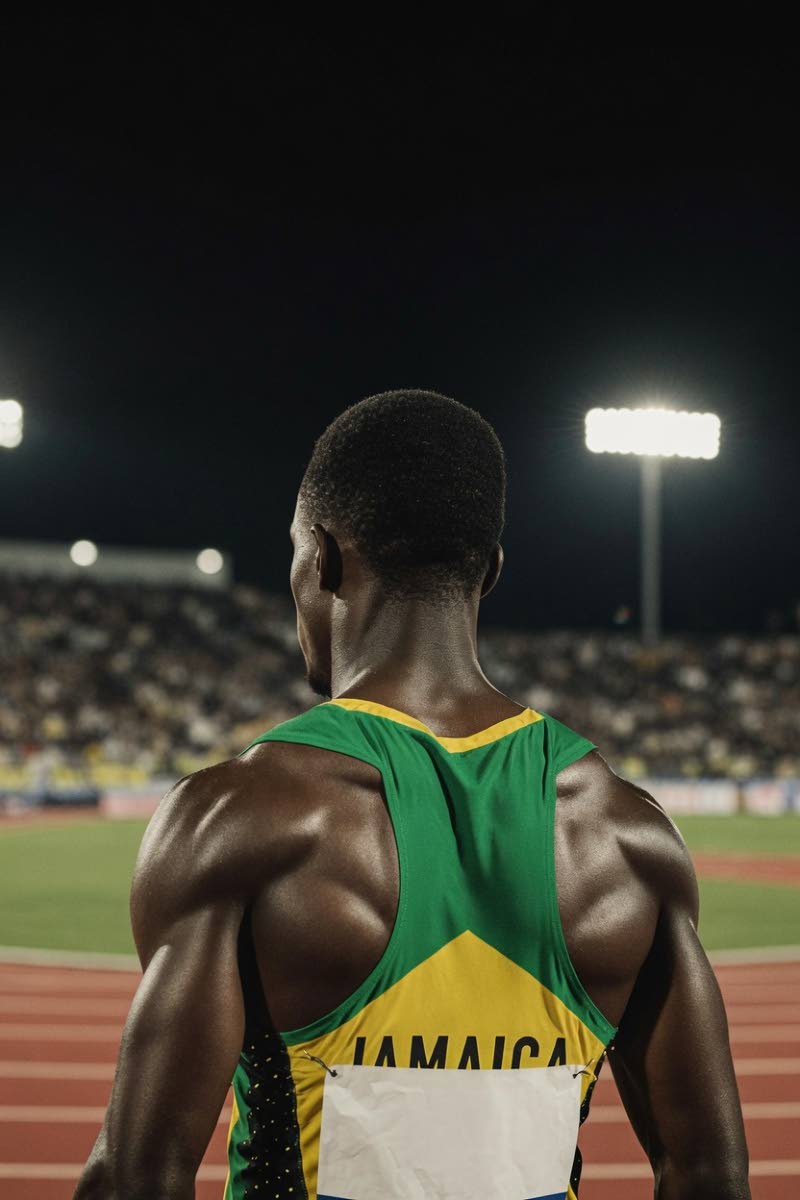 Image of an athlete, generated by Grok AI.
Our athletes are busy, and there are opportunities for professionals and amateurs. Some are making good money, and others are on the cusp. But money can be fleeting and the active years relatively short, so our athletes must prepare for today’s successes to bring long-term gain.
There is a buzz of activity mostly in track and field, cricket, netball, with football mostly quiet now, following the conclusion of the FIFA World Cup earlier this month. And in the buzz, new names are surfacing as activities heat up in the Commonwealth Games, the Central American and Caribbean Games, and cricketers prepare to sparkle in leagues such as the Caribbean Premier League. Many athletes are anticipating a life-transforming turn for themselves and their families.
Some professionals are earning big bucks and some not so big, and the amateurs and some professionals are auditioning for a place on the big stage to earn big bucks from the Diamond League for track and field athletes, professional netball leagues, and professional cricket and football leagues in diverse parts of the world.
But after the glory of success and the accompanying financial rewards, what?
Athletes must prepare for life after sports, for their athletic careers are short, income is uncertain; and without a plan, many may struggle financially, emotionally, and professionally once the glory days of sports have ended.
The peak years of many elite athletes may last for just a few years; injury, age, and performance decline can end a career suddenly. The careers of even very successful athletes eventually end and they must transition to another phase of life. Some focus on education, and others on other professions. For example, Stephenie-Ann McPherson, outstanding multiple 400-metre World Athletics Championships medallist, announced that she would retire after the 2024 Olympic Games to complete her studies in physical therapy – an athlete with a plan.
Reality of sustainability
Top Jamaican athletes earn from prize money, appearance fees, contracts, and endorsements, often transforming their standard of living and that of their families. The sustainability of such levels of earnings, however, depends on form, selection, and marketability. It can also vaporise with injury, loss of form, the emergence of other athletes, or changes in sponsorship.
But earning good income consistently is no guarantee that an athlete’s financial future will be secure. Athletes can lose much of their fortune due to poor money management, bad investments, and bad financial advice. A low level of financial literacy leading to poor budgeting, ineffective investment strategies, including concentration instead of diversification, often diverts athletes and their families from the end goal of a secure, long-term financial future.
Athletes can prepare for life after sports through education, acquiring new skills, and mentorship. They can, for instance, seek scholarships, secure tertiary education in Jamaica and abroad, and prepare themselves for new careers in areas such as coaching, the media as commentators and writers, physical therapy, education and business.
Athletes should not ignore insurance in their programme. They should insure their physical assets for protection against loss. They should also insure against loss of income where possible, secure insurance to help with health expenses where appropriate, and secure life insurance coverage to provide for their dependents in the event of their pre-mature demise. Very importantly, athletes should insure their future and that of their families through a structured and consistent programme of savings and investments.
Athletes must make effective debt management a priority during their active years and after – in the former case, to boost their ability to accumulate wealth, and in the latter, to preserve it. Debt itself is not bad, as it can be used judiciously to achieve significant goals, but it must not be abused.
For their protection, athletes should be able to read and understand contracts by themselves or with the guidance of trusted people who have that competence. This is important with regard to appearance fees, endorsement deals, and image rights and obligations. They should also know how to evaluate sponsors and advisers and how to assess offers. At the same time, they should take steps to protect themselves against fraud and scams. While it is important to earn money, it is equally important to secure it.
Athletes should maintain physical fitness when their sporting career ends. While they won’t live forever, they enhance the chances of living not just a long life, but a healthy one, with the benefit of being able to save more of their income and being able to engage in a much wider range of activities, thus finding greater fulfilment.
Athletes can make the world better for others and themselves through service, while active, but certainly after they have retreated from the field of play. Mentoring, coaching, community leadership, fundraising for projects to boost sports and community well-being are worthwhile areas to consider.
What athletes earn during their years on the field, court, and track is not just for their active years. It serves them for the many years after the cheers and applause have died. How effective today’s planning is determines the quality of life of the athlete and dependents in the silent years.
Oran A Hall, author of Understanding Investments and principal author of The Handbook of Personal Financial Planning, offers personal financial planning advice and counsel. Email: finviser.jm@gmail.com.