Norris R. McDonald | Poverty, ghetto survival, and land tenure struggles
Loading article...
-
 Norris McDonald
-
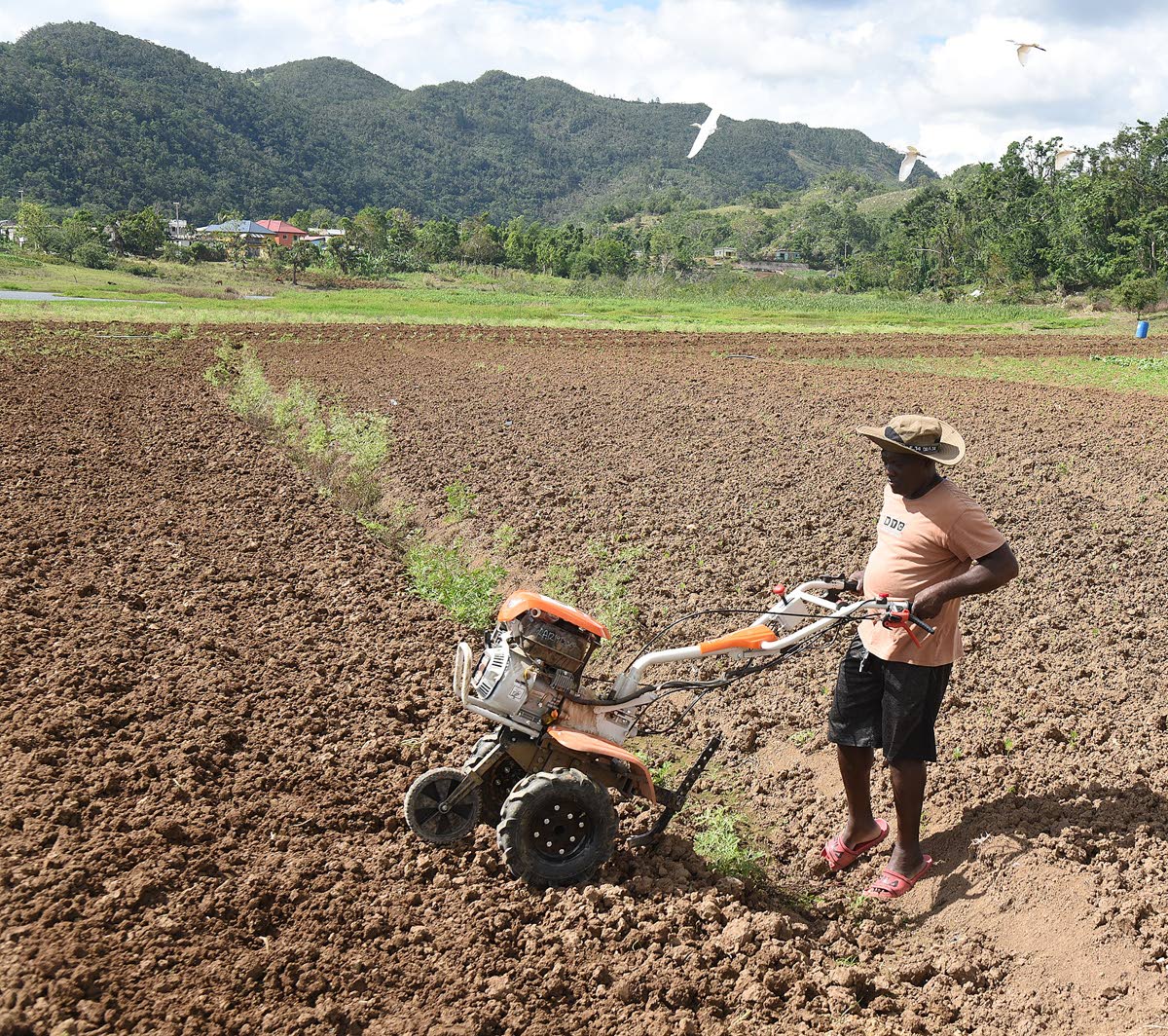 Land is not merely a commodity – it is identity, history, and security.
Smoke curls from a wattle-and-daub, thatched-roof kren-kren in Epsom, St Mary, as the sun rises over terraced hillsides. Descendants of the Coromantee Maroons survive here through discipline, memory, and ingenuity. Crops cling to carefully engineered slopes, water is rationed, and every day demands resilience. Life is modest – but it is home.
In the hillsides of Pontefract, generations cultivated the land not just for sustenance, but with practical engineering that conserved water and prevented soil erosion long before any government ministry contemplated development plans. These lessons – survival through self-reliance, ingenuity, and community support – formed the foundation of a life of resilience.
Across Jamaica, similar stories unfold. Families struggle in modest homes, often built on land they do not formally own. Ownership is more than paperwork – it is stability, the foundation for education, mobility, and hope.
Many families rely on water from standpipes, read under kerosene lamps, and study beneath streetlights while watching the so-called winds of progress blow past. Ordinary Jamaicans repeatedly adapt to shifting social and economic conditions, but often with limited resources.
Land tenure remains a central struggle. Many people occupy property for decades without title – not due to illegal claims, but because of bureaucratic neglect. Displacement is a recurring theme. Communities were uprooted from places such as Back O’ Wall and southwestern St Andrew to make way for urban developments like Tivoli Gardens, often relocated to marginal lands with little infrastructure.
The Sites-and-Service programme marked a breakthrough, offering legal access to land, electricity, water, and proper roads. Families gained a real stake in their future. Yet many farmers still cultivate land without legal title, leaving them without collateral for loans, no access to formal credit, and no opportunity to expand production. Natural disasters, such as Hurricane Melissa, starkly reveal the fragility of these arrangements, particularly in areas like Catherine Hall.
UNEQUAL ACCESS TO LAND
Inequalities in land access are glaring. Foreigners often acquire prime beach property more easily than black Jamaicans can secure land they have occupied for generations. Colonial expropriation and unaddressed historical inequities persist, compounded by economic policies and global financial obligations that prioritise foreign capital over local welfare.
Land is not merely a commodity – it is identity, history, and security. Losing it erodes cultural memory, severs ancestral connections, and limits the ability to plan for future generations.
The struggle extends beyond rural areas. Beaches once freely accessed by local communities are increasingly privatised, creating a quasi-apartheid exclusion that underscores unfinished work since emancipation and independence. Ordinary Jamaicans are frequently blocked from land they have historically used – for recreation, fishing, or subsistence. Economic “progress” is hollow if it leaves the majority behind.
My friends, growing up in rural communities and later navigating urban neighbourhoods offered a vivid perspective. One could perch atop a coconut tree and survey the Caribbean Sea, yet many Jamaicans today cannot access the coast for fishing or gathering conch as previous generations did.
This reality highlights a painful truth: development can be both promise and threat, particularly when foreign investment and elite interests overshadow local needs.
True progress requires balancing development with justice. Policies must secure farmers’ tenure, protect communities from displacement, and ensure the poor have a real stake in the country’s future. Housing is not just about bricks and mortar – it is about dignity, stability, and opportunity. Ministries of Housing and Agriculture possess the authority to fast-track solutions, but decades later, these powers remain underutilised.
The economic and social structures inherited from colonialism continue to concentrate wealth in the hands of a few, while ordinary Jamaicans struggle to claim land and resources. Land captures more than economic value – it embodies memory, family, and community. Denying equitable access perpetuates cycles of poverty, social exclusion, and psychological harm.
Yet there is hope. Programmes such as Sites-and-Service and targeted housing initiatives demonstrate that meaningful progress is possible. When people have legal rights to the land they occupy, they gain security, the ability to invest in their property, and a foundation to break the cycle of poverty. Scaling these efforts across urban and rural Jamaica is essential if economic development is to benefit the many, not just the few.
BUILDING A FUTURE WITH JUSTICE
Housing struggles are inseparable from broader social inequalities. Farmers working without title cannot expand production. Families remain vulnerable to eviction. Communities lack the infrastructure required to thrive. Meanwhile, global economic pressures and foreign investment policies frequently place profit over people. The result is persistent inequality in access to land, wealth, and opportunity.
Policy solutions must extend beyond temporary relief. Securing tenure, providing infrastructure, and formalising communities are critical steps, but they must be paired with investment in education, healthcare, and economic opportunity. Development that ignores social justice simply perpetuates historical inequities and excludes the most vulnerable from national growth.
Land is not merely a means to an end. It is an anchor of identity, a repository of culture, and a source of stability. Without it, communities are fragile, families insecure, and national progress incomplete. Beaches, farmlands, and urban plots all carry social and cultural meaning. Denying equitable access undermines Jamaica’s promise of freedom and independence.
THE PATH FORWARD
My dear friends, Jamaica’s journey from slavery to emancipation – and from colonial rule to political independence –remains unfinished. Structural inequities in land access, housing, and wealth continue to shape the lives of millions. Real progress demands policies that acknowledge historical injustice while delivering tangible solutions to communities long marginalised.
Jamaica’s challenge is not simply building houses or paving roads – it is creating a society in which every citizen has the right to land, security, and dignity.
Ensuring equitable access to property and resources is both an economic necessity and a moral imperative. True nation-building occurs when all citizens can claim a home, a community, and a legacy.
Only by prioritising secure tenure, preventing displacement, and empowering the poor can Jamaica move beyond the shadows of colonialism. Only then can the nation fulfil its promise: a home, a future, and a legacy worth defending.
That is just the bitta truth!
Norris R. McDonald is an author, economic journalist, political analyst, and respiratory therapist. Send feedback to columns@gleanerjm.com or miaminorris@yahoo.com.