Editorial | NaRRA and UDC
Loading article...
-
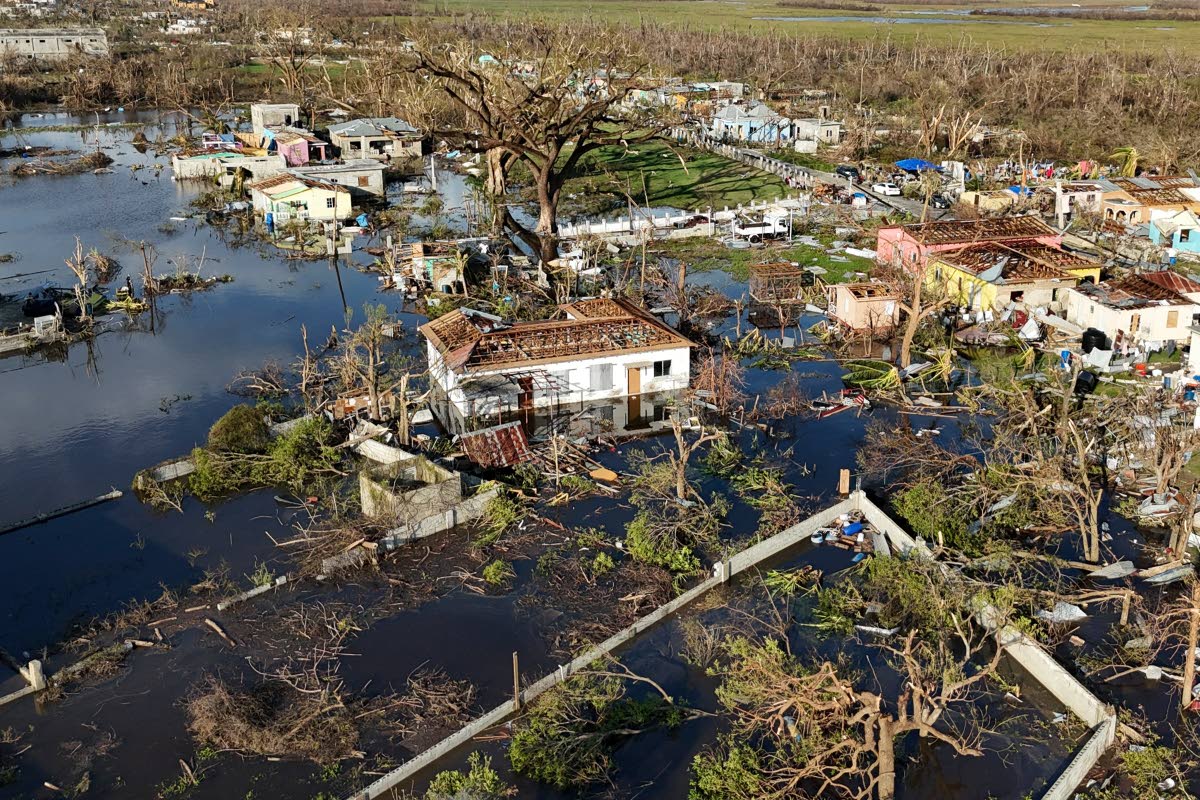 An aerial view of Black River, Jamaica, Thursday, Oct. 30, 2025, in the aftermath of Hurricane Melissa.
-
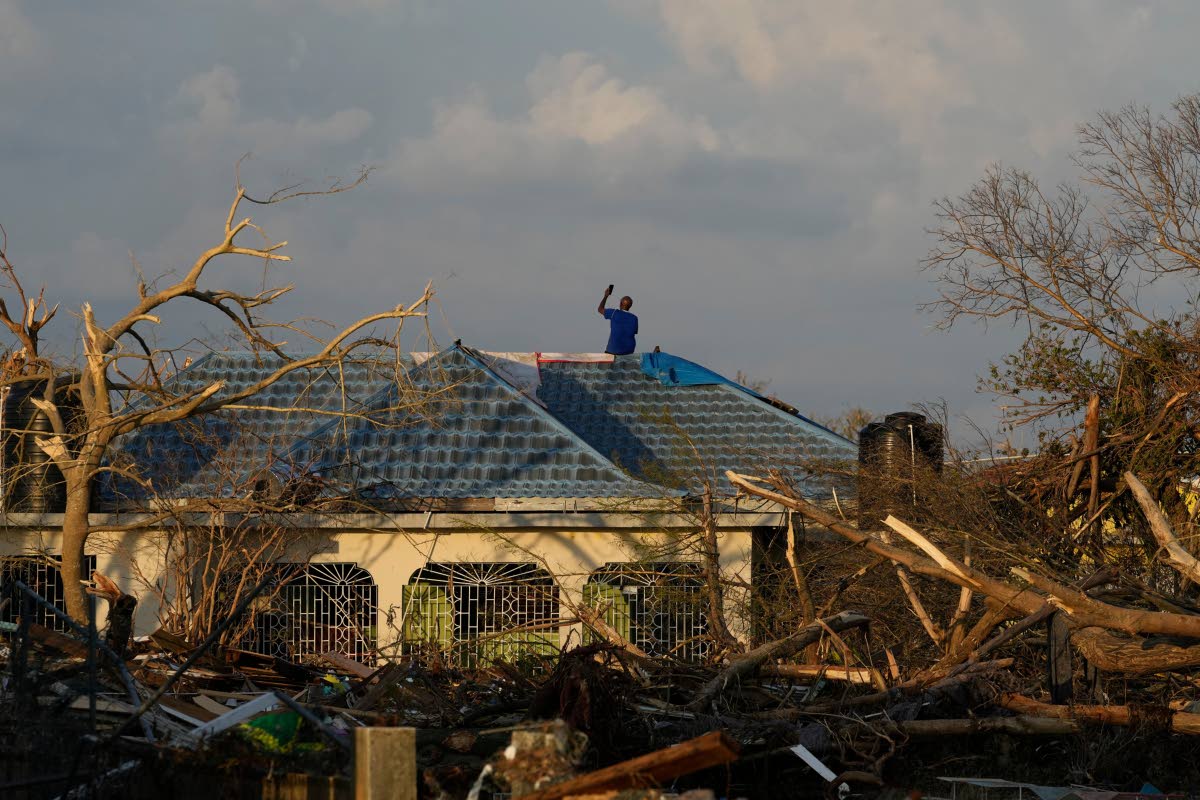 A man searches for cell signal from the roof of his house flooded and damaged by Hurricane Melissa in Black River, Jamaica, Thursday, Oct. 30, 2025.
-
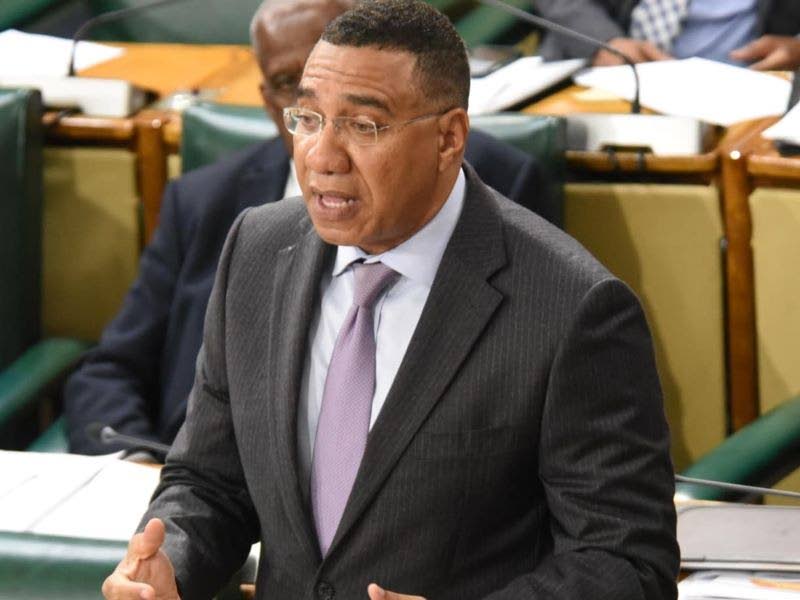 Prime Minister Andrew Holness piloting the NaRRA Bill on April 14, 2026.
Unsurprisingly, the broad mandate proposed for the agency that is to lead Jamaica’s post-hurricane reconstruction has raised questions about the role and future of the Urban Development Corporation (UDC).
That question, unfortunately, has not been addressed in any of the several statements Prime Minister Andrew Holness and his ministers have made regarding the establishment of the National Reconstruction and Resilience Authority (NaRRA) even though some of the projects earmarked for its portfolio appear more properly aligned with the UDC. These include the reconstruction of the 300-year-old Kingston Public Hospital in downtown Kingston and the development of a new airport.
There are also warnings that NaRRA should not be allowed to become a new version of the UDC – an agency in which public confidence and trust are low.
Despite this newspaper’s concerns about the deeply inadequate governance structure proposed for NaRRA, we support the logic of establishing a special-purpose vehicle to oversee rebuilding in the aftermath of Hurricane Melissa, which devastated western Jamaica nearly six months ago. The Category 5 storm caused more than US$8.6 billion – equivalent to 42 per cent of GDP – in damage to public infrastructure and private buildings, including homes, around 30,000 of which were destroyed. Tens of thousands more suffered varying levels of damage. Some communities and coastal towns vulnerable to flooding and storm surges will need to be relocated.
It is estimated that reconstruction will require public expenditure of between US$5 billion and US$10 billion over the next five years. As The Gleaner’s Editorial Board observed in the aftermath of the hurricane, even at the lower end of that range, such rebuilding cannot be accomplished within Jamaica’s existing budgetary framework. Multilateral financial institutions have already pledged more than US$7 billion in project financing over the next three years.
Further, with the Jamaican state hollowed out by decades of reform and retreat in favour of the private sector, government institutions and the attendant bureaucracy lack the capacity to manage an undertaking of this magnitude with the speed and efficiency required.
It is in that context that we support the logic of a specialised agency to lead the reconstruction. However, urgency does not preclude the need for transparency and robust oversight of NaRRA – particularly given the vast sums of money at its disposal, its power to bypass normal regulatory arrangements, and its authority to award contracts.
Moreover, as the legislation before Parliament is currently framed, that power will be concentrated in the hands of NaRRA’s chief executive officer and the prime minister, to whom the CEO will report.
That is why The Gleaner insists that NaRRA must have a board with fiduciary obligations grounded in law rather than an ad hoc advisory committee serving at the pleasure of the Government. Additionally, NaRRA’s CEO and key officers should be required to appear quarterly before a parliamentary committee to provide legislators with timely reports on the agency’s performance. Such measures would enhance transparency without undermining efficiency.
These changes must be made to the bill.
In other circumstances, there would be no need for NaRRA. With minor legislative adjustments, the tasks assigned to the new authority would fall squarely within the mandate of the UDC.
Established in 1968, the UDC – a statutory body – is empowered “to carry out or secure the laying out and development of areas” that the minister deems “in the national interest” to be developed as urban areas. Under current plans, NaRRA is expected to lay out and construct new urban areas, notably in the town of Black River on the island’s south-west coast, which was severely battered by Hurricane Melissa and associated storm surges.
Consistent with its mandate, the UDC has undertaken a range of construction and urban-renewal projects. However, in its 58-year existence, the agency has been largely misused and misdirected by its political overseers, with little effective resistance from boards whose members were often loyal to the minister or sympathetic to the party in power. Periodic scandals, dwindling resources, and projects left permanently on the drawing board further eroded public trust and confidence in the UDC, notwithstanding protestations from its officials.
Perhaps because of the opportunity to tap into post-hurricane capital flows, NaRRA is now being assigned projects that should rightly fall to the UDC. Two dangers are apparent: that NaRRA could become a catchall for government infrastructure projects, losing focus and coherence; and that, like several other agencies, its intended time-bound existence could quietly be abandoned, consigning it to the expanding list of public bodies that endure simply because they exist.
That must not be allowed to happen.
One option would be for the Government to use this period to fundamentally overhaul the UDC, rebuilding it into an efficient, transparent, and genuinely accountable organisation that could ultimately inherit whatever positive institutional legacy NaRRA creates.