Offniel Lamont | Jamaica’s sugar-sweetened beverage policy in transition
Loading article...
-
-
 Offniel Lamont
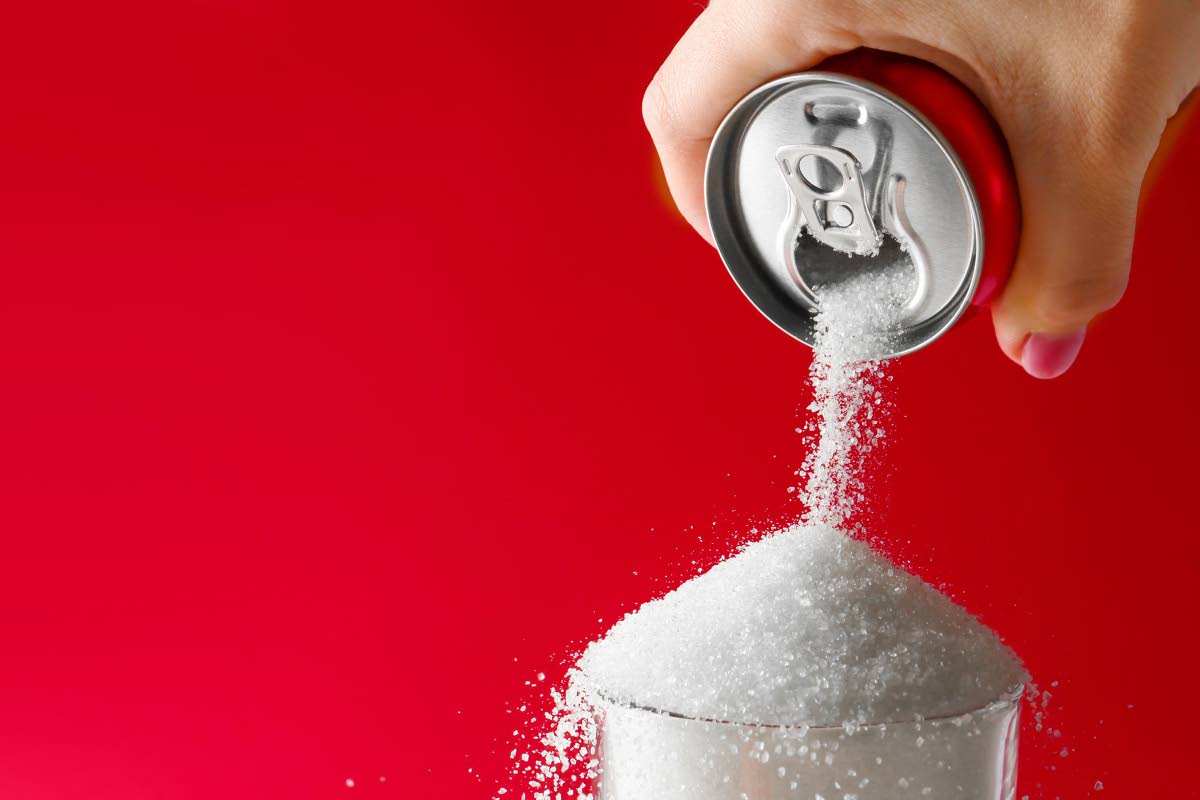
Non-communicable diseases (NCDs) represent Jamaica’s most pressing public health crisis, and addressing obesity is central to this challenge. Fiscal policy on sugar-sweetened beverages (SSBs) must be firmly aligned with public health priorities to reduce NCDs and their related burdens.
Recent government budget measures have revised the Special Consumption Tax (SCT) on sweetened beverages, now incorporating it as a central component of Jamaica’s public health strategy.
Reducing excessive sugar consumption is the central goal. Fiscal measures like SSB taxation must remain core, but only as integrated elements of a broader public health policy, not as isolated solutions.
PUBLIC HEALTH IMPERATIVE
Extensive and consistent evidence demonstrates a link between sugar-sweetened beverage consumption and obesity, Type 2 diabetes, cardiovascular disease, and other NCDs. In Jamaica, elevated sugar intake, particularly among children and adolescents, has contributed to rising disease prevalence and earlier onset of chronic conditions.
These health outcomes strain public resources, increase healthcare costs, and reduce national productivity. They also result in preventable hospitalisations and contribute to an unsustainable public health crisis in Jamaica.
Health is both an individual responsibility and a collective societal priority, requiring coordinated policy action. With this in mind, it is necessary to consider how Jamaica’s approach to SSBs continues to evolve.
POLICY EVOLUTION
While taxation plays an important role in reducing consumption, it cannot stand alone. Jamaica’s current response is primarily anchored by the revised SCT on sugar-sweetened beverages and the Government’s stated intention to roll out the National School Nutrition Policy. Together, these represent important first steps, but they are not yet sufficient to fully address the scale of the problem.
For a more effective and sustainable public health response, additional measures should be actively considered and developed. These include:
• Establishing sugar content thresholds to better distinguish high-risk products
• Introducing incentives for reformulation to encourage manufacturers to reduce sugar levels
• Implementing front-of-package warning labels (FOPWL) to guide consumer choices at the point of purchase
• Strengthening marketing regulations, particularly those targeting children and adolescents
• Establishing safe zones around schools – free from the selling of ultra-processed products.
• Creating active schools and building environments that encourage physical activity among the citizens.
Currently, these strategies are largely absent. Incorporating them would move policy beyond revenue generation, explicitly centring health outcomes as the main objective.
Importantly, while taxation does not directly require manufacturers to change product formulations, global experience shows that it can still influence industry behaviour. Faced with declining demand or increased costs, companies often respond by reducing sugar content, reformulating products, or expanding healthier options to remain competitive.
BALANCING
Discussion of SCT adjustments has raised valid concerns. Critics note that these taxes may disproportionately affect lower-income groups and question the focus on beverages in a food environment where sugar is widespread.
These equity concerns require careful attention. Complementary measures such as healthy food subsidies, educational campaigns, and community interventions are essential to making healthier choices accessible to all Jamaicans.
At the same time, evidence shows that reducing consumption of high-sugar beverages leads to measurable reductions in sugar intake and associated health risks. Even modest population-level changes can yield significant long-term health and economic benefits.
ROAD AHEAD
To maximise policy impact, success should be measured by improved health outcomes rather than revenue. The policy and future policies should prioritise access to care, health monitoring, and health education.
• Transparent reinvestment of tax revenues into health promotion and prevention programmes
• Continuous monitoring and evaluation of consumption patterns and health indicators
• Periodic policy refinement, including potential implementation of sugar thresholds
• Strong cross-sector collaboration between government, health professionals, educators, and industry
Jamaica must act decisively, building a cohesive policy that prioritises reducing sugar consumption to improve health outcomes. Only with this commitment can the nation reverse NCD trends and secure a healthier future.
Offniel Lamont is a sports medicine, exercise and health specialist, physiotherapist and public health youth advocate with JHAYA, Healthy Caribbean Youth (HCY) and Fix My Food UNICEF Jamaica. Send feedback to columns@gleanerjm.com