When strength needs support -Rebalancing life during menopause
Loading article...
-

Life coach Nicola Clarke.
-
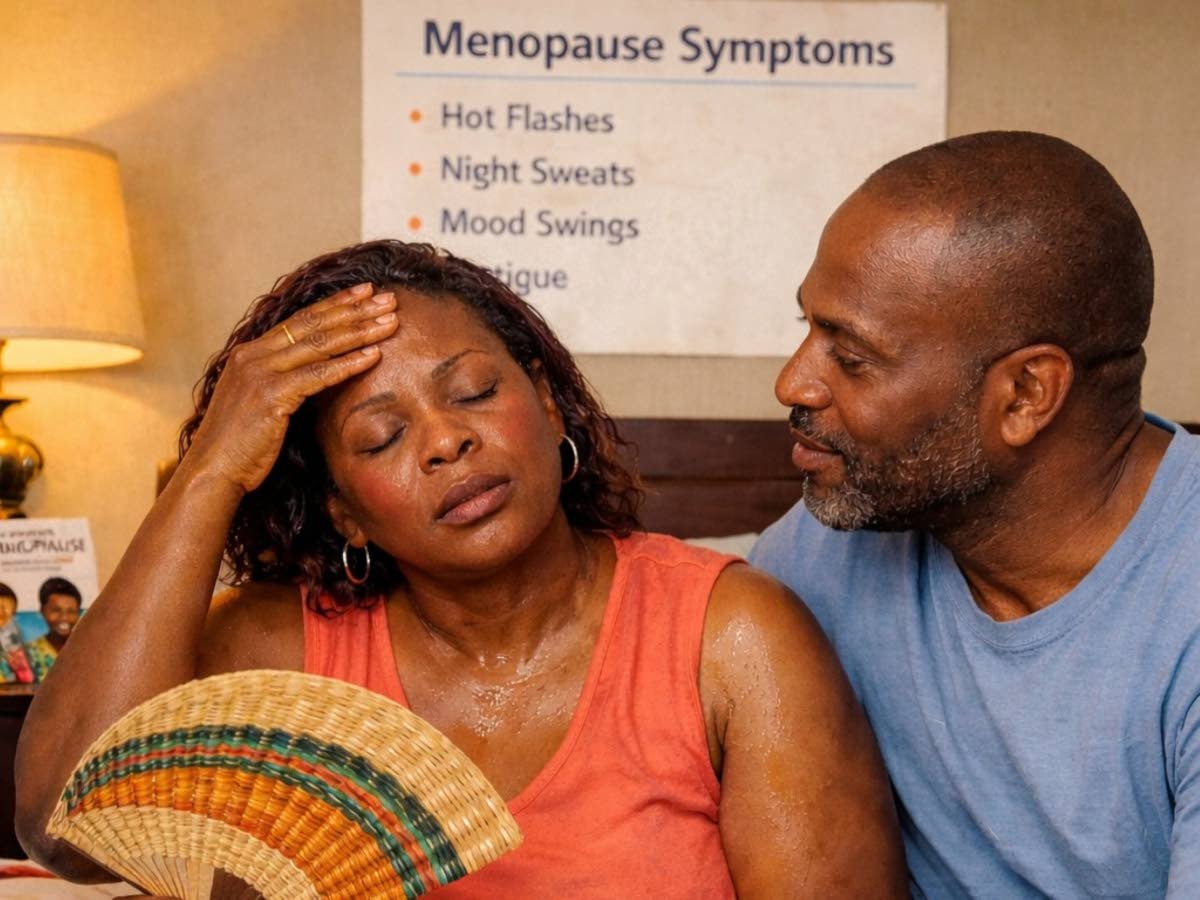
There is a quiet moment many women encounter in midlife; one that rarely makes headlines but is deeply felt. It is not marked by outward crisis, but by an internal shift. A heaviness and a fatigue that rest does not seem to cure. Invariably, a truth that gently rises to the surface: I don’t want to be the strong one any more.
According to Nicola Clarke, this moment is not a sign of weakness, but a powerful turning point, one that often coincides with the physical and emotional transitions of menopause.
“Being tired of being the strong one doesn’t mean you are breaking. It means you are becoming more honest with yourself,” she said.
For years, many women have been the emotional anchors in their families and communities, the ones who carry responsibilities quietly and consistently. Strength becomes identity and reliability becomes expectation. However, midlife changes that dynamic.
Hormonal shifts can lower emotional tolerance, while life itself becomes more complex. Ageing parents may require care and children become more independent, shifting relational roles. Long-term relationships evolve, and beneath it all lies years of accumulated emotional labour.
“What once felt manageable now feels heavy, and not because you are weaker, but because it is no longer sustainable,” she said.
This convergence of internal and external pressures often leads women to confront an imbalance they may have long ignored, one of constant giving with little replenishment.
Rather than viewing this phase as decline, Clarke reframes it as a transition from endurance to awareness. “You begin to notice the imbalance. The one-sided giving. The lack of support. The quiet resentment,” she said.
This awareness becomes the catalyst for change. It signals not the loss of strength, but its evolution. “Strength is no longer about how much you can carry. It’s about recognising what you were never meant to carry alone,” she said.
Clarke outlines a series of intentional shifts that can help women navigate this stage with clarity and self-compassion:
1. Acknowledge the weight: You can’t change what you haven’t named. Identifying areas of depletion, resentment, or invisibility is the first step towards healing.
2. Allow support: For many women, receiving help feels unfamiliar, even uncomfortable. Support is not a failure, it is a rebalancing.
3. Stop over-functioning: Years of anticipating needs and filling gaps can create dependency patterns. Overfunctioning keeps others underfunctioning, encouraging women to step back and allow others to contribute.
4. Set boundaries around energy: Not every demand deserves a response. Not everything deserves your time, attention, or emotional capacity. Discernment is the new strength.
5. Embrace a new identity: Growth often requires releasing old roles. You are not responsible for maintaining an identity that costs you your well-being.
As women begin to shift, Clarke notes that meaningful transformation unfolds:
• Relationships become more balanced and reciprocal.
• Emotional resentment gives way to support and clarity.
• Decisions are guided by intention rather than obligation.
• A deeper connection to self begins to re-emerge.
The narrative around menopause is often framed in terms of loss - loss of energy, youth, or vitality - but Clarke offers a different perspective: one of renewal and realignment.
In this next phase, strength is no longer measured by how much a woman can endure in silence. Instead, it is defined by her willingness to honour her needs, set boundaries, and invite support.
“Strength in this next phase is not about holding everything together, it’s about no longer carrying it alone,” she said.
As more women embrace this redefinition, menopause becomes less of an ending and more of a powerful recalibration, one that opens the door to a more balanced, authentic, and supported way of living.
keisha.hill@gleanerjm.com