Built different
Loading article...
-
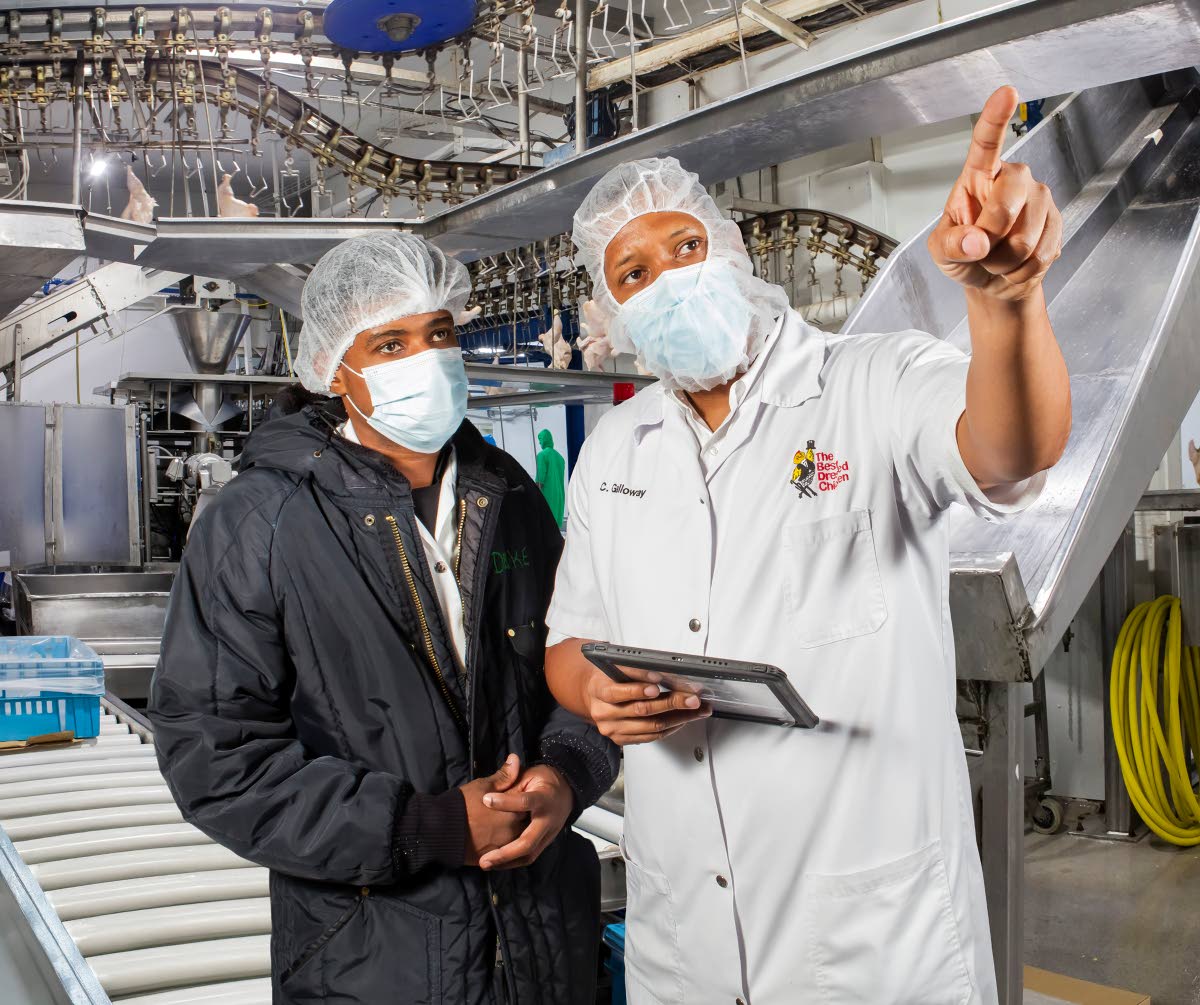 Chadwick Galloway (right), processing plant manager at The Best Dressed Chicken consults with Chad Joseph Francis, team leader/machine operator at the company’s facilties. Contributed
-
Chadwick Galloway (right), processing plant manager at The Best Dressed Chicken consults with Chad Joseph Francis, team leader/machine operator at the company’s facilties. Contributed
-
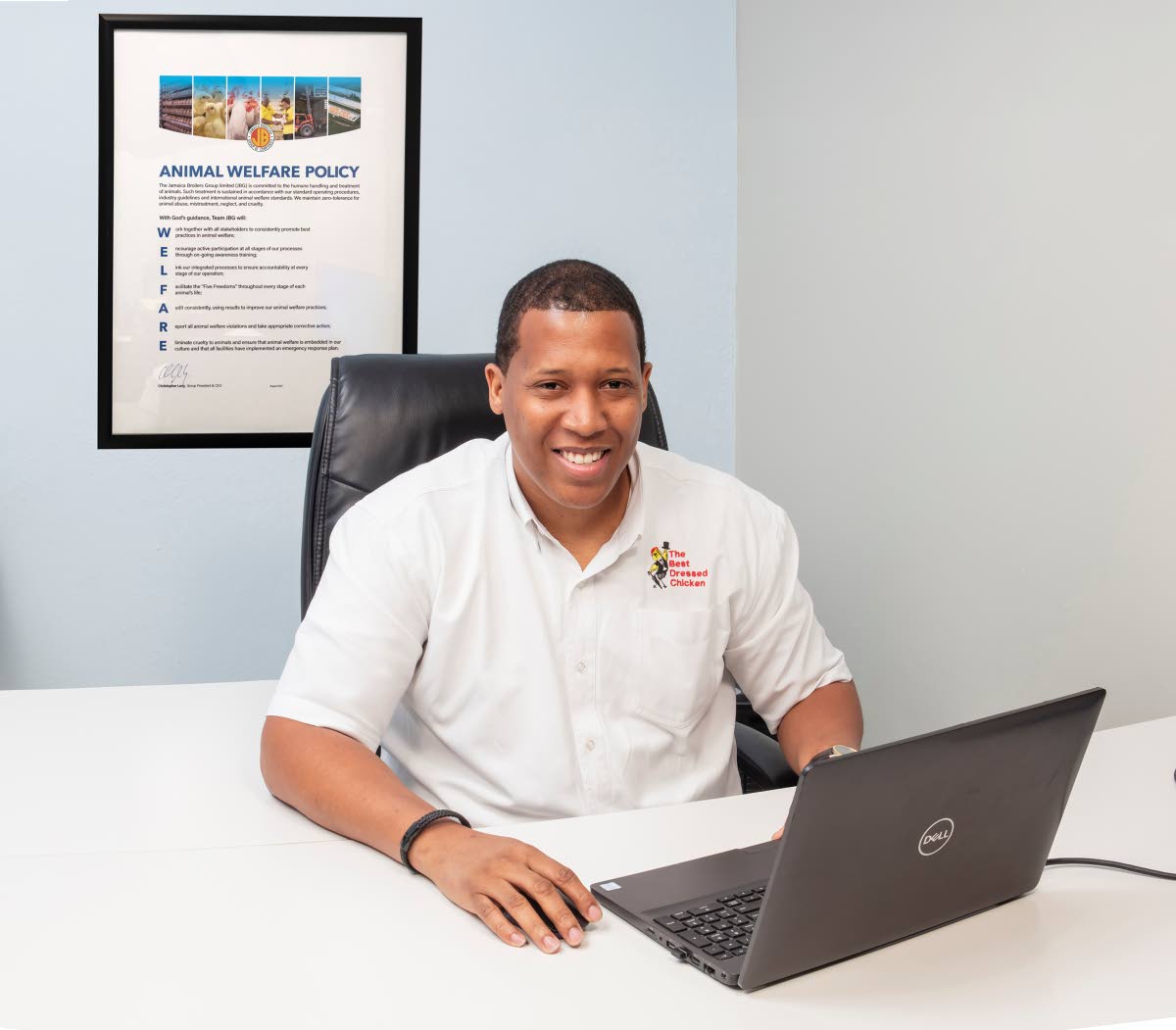 Chadwick Galloway, processing plant manager at The Best Dressed Chicken. Contributed
Chadwick Galloway never planned to run a poultry plant. The boy who dismantled toys to study their inner mechanics grew into an electrical engineer who repaired port equipment and studied power systems in China.
Yet today he runs one of Jamaica’s most critical food operations: 700 workers, thousands of chickens processed daily, and the kind of international certifications that can make or break export deals.
The path here was crooked. After five years maintaining heavy machinery at Kingston Freeport Terminals, Galloway wanted more. He spent a year in China studying power engineering in the bauxite industry. Back in Jamaica, he managed production lines for pipes and conduits. Then a friend showed him a job advertisement. The Best Dressed Chicken needed a superintendent. Galloway had farming in his blood and growing experience in agribusiness. He applied.
He started in maintenance, then moved into management. By 2020, just as COVID-19 arrived, he was appointed processing plant manager. The timing was brutal. Worker safety, market chaos and financial pressures struck at once. Galloway rebuilt operations. His team introduced single-shift rotations that balanced productivity with employee safety. Most workers kept their jobs. Food kept moving.
The work varies daily. Galloway splits his time between the plant floor and his office, between machinery and strategy. What makes it matter is its national importance. “Chicken is a staple in Jamaica,” he says. “The work I do contributes directly to feeding the nation and reducing reliance on imports.” Agriculture, he adds, combines his engineering background with his family’s farming roots. He calls it more than an industry.
For someone who has shifted fields multiple times, Galloway understands the risks and realities of starting over. He wishes someone had advised him early on to build a proper six-to 12-month financial cushion before making a major career transition. Preparation, he believes, eases much of the uncertainty that comes with a new beginning.
But how does he know when it is truly time to change direction? “The key to differentiating between a career pivot and just being restless is understanding your ‘why,’” he explains. “Why do I want to change my career field? Is it burnout, money, or an unfulfilled role? Once you establish your why, you can make an informed decision about the path you should take.”
PREPARATION AND CONSISTENCY
Before making the leap, Galloway believes in doing your homework. “At minimum, you need to know the required qualifications and skills, the nature of the work, the avenues of entry, opportunities for growth and stability, salary, and the culture within the industry,” he advises. But preparation alone is not enough. “Once you’ve made the move, credibility becomes everything,” he adds. “Doing what you say you’ll do builds trust faster than any title ever could.”
That same mindset of preparation and consistency guided him through Hurricane Melissa, when operations faced new disruptions. “The disruption caused by Hurricane Melissa further reinforced my belief that people management through transparent and consistent communication is a key cornerstone in any operation,” he says. “Being present on the production floor and easily accessible creates a level of trust and reassurance. Clear communication and real-time feedback make the team feel more engaged and foster a sense of ownership, which builds a culture of proactive and coordinated efforts rather than reactive and anxious behaviour.”
Galloway treats people management as seriously as technical skill. “Machines are good, but they can’t do anything without people,” he says. He stays approachable. He communicates. “Whether people agree with a decision or not, I make sure they understand why changes are happening. Effective communication makes all the difference.”
Anthony Taylor, cold room manager at The Best Dressed Chicken, first met Galloway during their training year in China. They have maintained a friendship and working relationship since. “Chadwik is dedicated, meticulous, hardworking and results-oriented,” Taylor says. “His analytical skills consistently contribute to successful outcomes and fresh solutions in the areas he’s assigned. Just as important is his ability to collaborate effectively with people from diverse backgrounds. He has a natural gift for motivating teams and bringing people together, leading like a true champion. His leadership style is unique. He combines logical reasoning with awareness of emotional factors, striking a balance that makes him both highly effective and respected by those around him.”
Faith and self-motivation keep Galloway grounded. “No matter what is happening around you, your standards should never fall. You should always be known to give your best. Your standards will speak for you,” he says. This mindset drives him to continuously improve the plant and push for greater efficiency and profitability.
His advice to young people considering careers in agriculture or food processing is simple: “Don’t overlook the opportunities in farming and agribusiness. It may not seem glamorous, but farmers are the backbone of every strong economy.”
The journey has been anything but linear. Ports and engineering led to plant management. But one thing has remained consistent: a drive to learn, adapt and lead. “From five years ago to now, the plant has grown tremendously. But there’s always room to do better.” Looking ahead, his focus remains on continuous improvement, both for the plant and for himself.