Airbnb and short-term rentals to face GCT from April 2027
Loading article...
-
 FILE - The Airbnb app icon is displayed on an iPad screen in Washington, D.C., on May 8, 2021. Airbnb says it’s banning the use of indoor security cameras in listings around the world by the end of next month. The San Francisco-based online rental platform said it making the change to simplify its security camera policy and continue efforts to prioritize privacy. (AP Photo/Patrick Semansky, File) Patrick Semansky
-
FILE - The Airbnb app icon is displayed on an iPad screen in Washington, D.C., on May 8, 2021. Airbnb says it’s banning the use of indoor security cameras in listings around the world by the end of next month. The San Francisco-based online rental platform said it making the change to simplify its security camera policy and continue efforts to prioritize privacy. (AP Photo/Patrick Semansky, File) Patrick Semansky
-
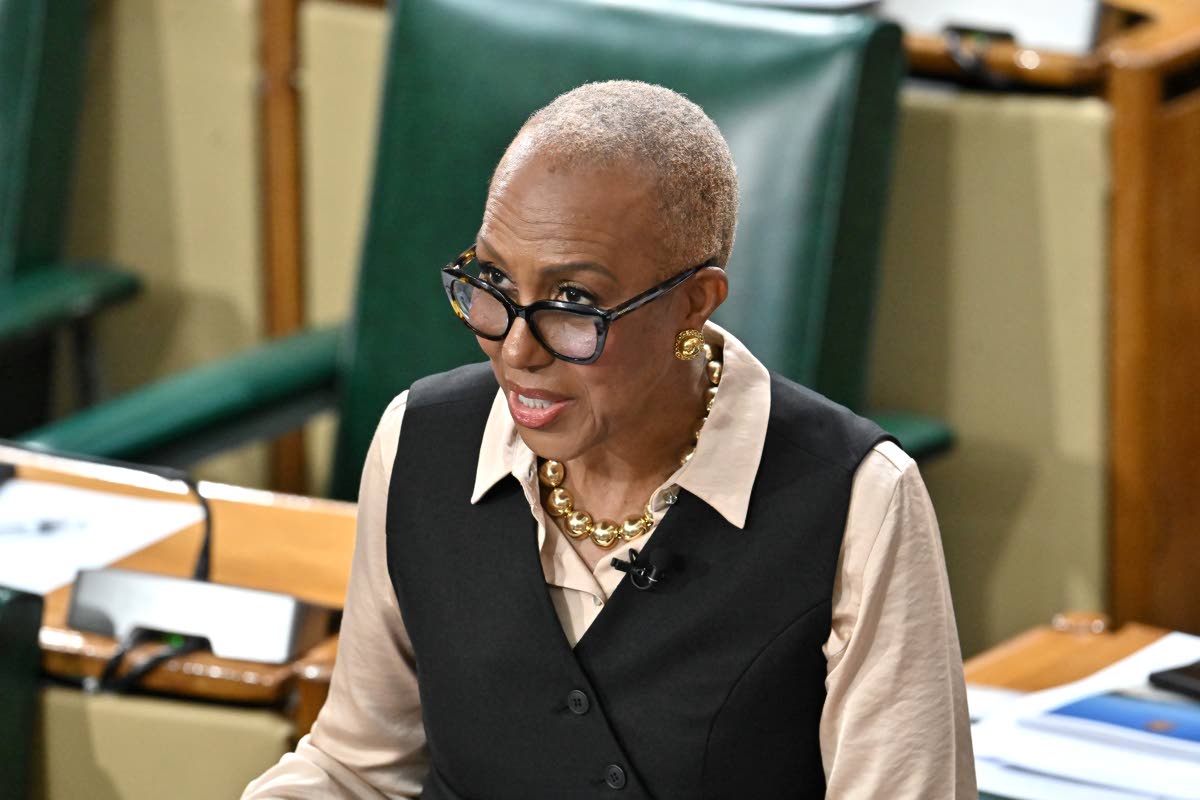 Fayval Williams, Minister of Finance and The Public Service. Rudolph Brown
The House of Representatives has approved tax measures that will impose General Consumption Tax (GCT) on short-term rental accommodations, including Airbnb-style properties, beginning April 1, 2027.
The measure was approved in the early hours of Wednesday morning near the close of a marathon parliamentary sitting dominated by prolonged debate on the National Reconstruction and Resilience Authority (NaRRA) bill.
The approval came through the passage of the General Consumption Tax (Amendment of Schedules) Order, 2026, and its related resolution under the General Consumption Tax Act, tabled as part of the Government’s broader revenue measures for the 2026/27 financial year.
Finance Minister Fayval Williams said the tax adjustments are intended to strengthen fiscal stability amid increased expenditure pressures following Hurricane Melissa, while ensuring the Government can maintain essential services.
During deliberations, Opposition Spokesman on Finance Julian Robinson sought clarification on whether the amended category would apply to short-term rental operators such as Airbnb hosts.
"Yes, it would," Williams confirmed.
Williams also agreed with Robinson's observation that "this would in effect be a new category then that would be eligible to start paying tax as of April 1st, 2027 - because prior to this they would not have been captured in any form."
The move marks a significant policy shift for Jamaica’s growing short-term rental market, bringing such accommodations more directly into the tax net alongside traditional tourism operators. Large hoteliers have long complained about the lack of sufficient regulation of Airbnb locally.
The tax on Airbnbs also comes amid a Government announcement of an increase of the GCT on tourism activities from 10% to 15%, also effective April 1, 2027.
Airbnb is a global online marketplace that connects travelers with people who have spaces to rent, ranging from single rooms to entire homes, apartments and villas. It allows property owners, called hosts, to monetise their spaces.
Short-term rentals reportedly account for an estimated 20 per cent of visitor experiences in Jamaica. The Airbnb market in Jamaica grew from 59,500 guests in 2017 to more than 800,000 guests in 2024, generating more than $32 billion in earnings for property owners across the country, said then junior tourism minister Delano Seiveright in April last year.
Last summer, the Government tabled the Jamaica Tourist Board bill that would have made registration and licensing mandatory for most short-term rental operators. However, it was stalled amid outcry from some industry players.
Tourism Minister Edmund Bartlett, who piloted the legislation, described it as a bid to modernise Jamaica’s tourism framework and safeguard the country’s brand rather than curb the sector.
In addition to the short-term rental tax, lawmakers also approved amendments to the schedule of the GCT Act to accommodate previously announced revenue measures. Those measures include higher taxes on alcoholic beverages and cigarettes, adjustments to motor vehicle duty concessions, and the implementation of a sugar-content-based tax on non-alcoholic sweetened beverages effective May 1, 2026.
The Government has framed the package as part of a broader strategy to improve revenue mobilisation and respond to current economic realities, particularly in the aftermath of Hurricane Melissa.
The resolution was approved by voice vote, with the Government using its parliamentary majority to secure passage.
Follow The Gleaner on X and Instagram @JamaicaGleaner and on Facebook @GleanerJamaica. Send us a message on WhatsApp at 1-876-499-0169 or email us at onlinefeedback@gleanerjm.com or editors@gleanerjm.com.