Back to online school? - Administrators brace for Internet learning if fuel crisis worsens
Loading article...
-
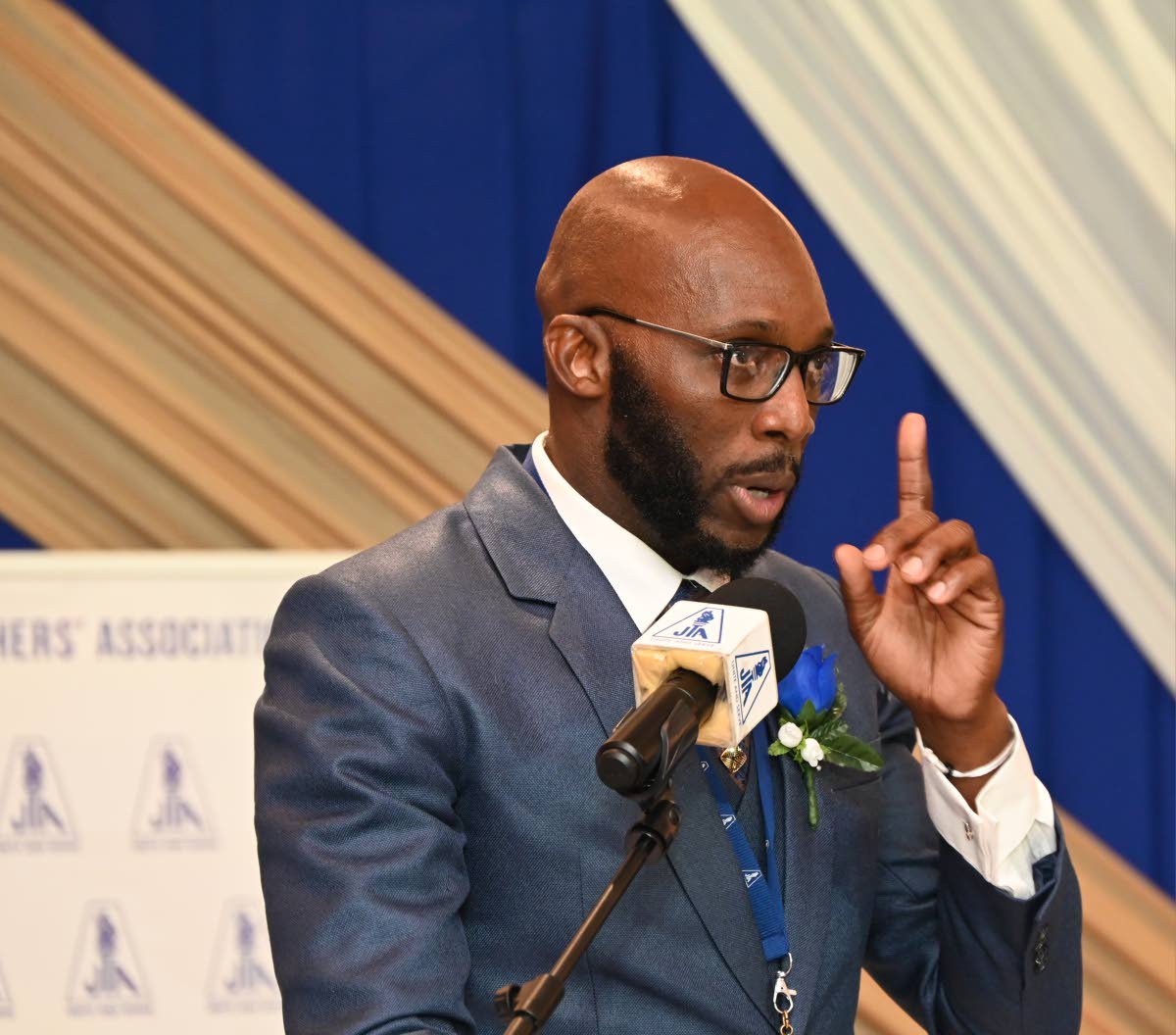 Jamaica Teachers’ Association (JTA) last week, President Mark Malabver
-
Jamaica Teachers’ Association (JTA) last week, President Mark Malabver
-
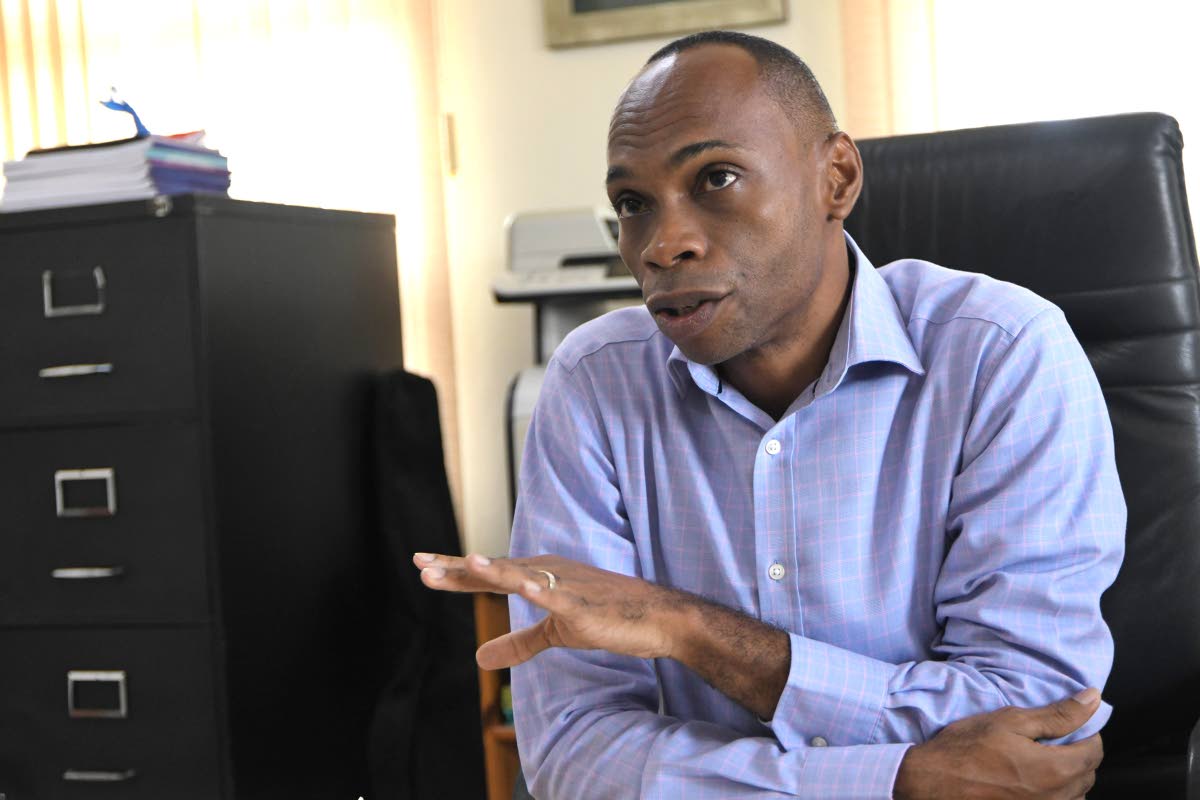 Principal of Wolmer’s Boys’ School, Dwight Pennycooke.
-
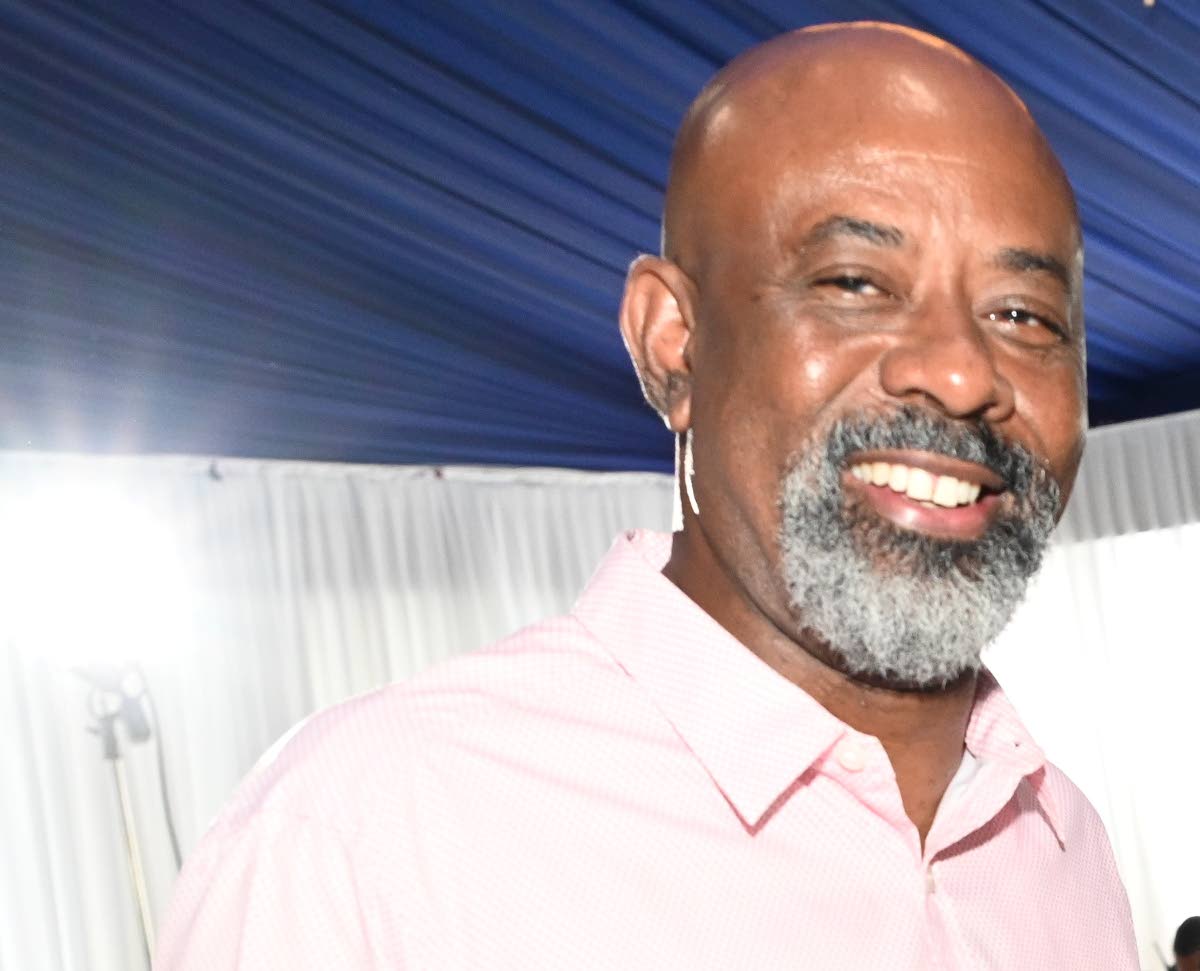 Head of the National Parent-Teacher Association of Jamaica (NPTAJ) Stewart Jacobs
Rising fuel prices are forcing schools to brace for a possible return to online learning, with at least one Kingston institution already preparing as the Middle East war persists.
Last month, Wolmer’s Boys’ School issued a questionnaire to parents and students to assess their readiness — a move Principal Dwight Pennycooke said follows recent government signals.
The survey examined access to devices, their type and age, how many people share them, and whether they are equipped with cameras and microphones. It also assessed Internet access, reliability and speed, as well as home study conditions and academic support.
“We would have heard commentary from the energy minister, and I think it is only right as a school administrator to ensure that everyone is prepared. It is so we don’t have to wait until the last minute,” Pennycooke said, noting that about 400 students and their parents had yet to respond.
He said printed copies would be distributed to ensure full participation by the end of this week.
“Once we have the information, we will ensure that if we have to go there, everybody is more or less prepared,” he added.
“The concerns are real, but life is also very real. I don’t anticipate a COVID-19-like situation where we are out of school for two years, but history has taught us to avoid the kind of loss that took place during COVID,” he said.
Head of the National Parent-Teacher Association of Jamaica (NPTAJ) Stewart Jacobs warned that rising fuel prices could further strain parents, some of whom may need to seek additional income to send their children to school. However, he said the association does not support a return to wholesale online learning, arguing that it would be even more challenging now than during the COVID-19 pandemic.
“Connectivity is going to cost more because Internet service is going to increase. Those using Wi-Fi for extended learning will be faced with that,” he said, adding that discussions may be needed around expanding the Programme of Advancement Through Health and Education social security net while also flagging student nutrition concerns.
“And if you remember the aftermath of COVID-19 online learning, the children came back not knowing how to socialise. They came back with psychosocial issues. Teachers were not as vibrant. Part of the learning process is children associating with each other,” Jacobs said, adding that online learning should be limited to no more than two days per week.
A study by the United Nations Children’s Fund (UNICEF) found that Jamaican students experienced social isolation, limited supervision, and inadequate access to learning tools during two years of remote learning, contributing to anxiety, depression, and behavioural challenges that persisted after the return to face-to-face classes.
In the months following the resumption of in-person learning in 2022, the education ministry reported 55 violent incidents across 50 schools. These included brawls, stabbings, and weapon possession, prompting increased security measures, mental-health training, and greater involvement of school resource officers, the ministry reported.
Amid ongoing wage negotiations between the Government and the Jamaica Teachers’ Association (JTA) last week, President Mark Malabver said there were whispers of a resumption of online learning but nothing formal.
However, he said several questions regarding teacher welfare must be addressed before any move in that direction.
“We do not believe that the current infrastructure will lend itself well to that arrangement. There were a number of challenges that were insurmountable during COVID,” he charged, citing dips in student engagement compared to face-to-face learning.
“If teachers are using the Internet for teaching and learning, who is going to pay for that? Who will deal with electricity costs?” he asked. “Teaching online can also be highly stressful, especially when you cannot determine whether students are present, engaged, or supervised at home.”
That concern was echoed by Principal Lisa Holmes-Shirley of Effortville Primary School in Clarendon, who said while she supports online learning if the fuel crisis escalates, parental involvement remained critical.
“Some [parents] claim they are poor, and every day they are on TikTok and Instagram. They say they can’t afford Internet service, yet they are on social media every day,” she said, pointing to ongoing supervision challenges. “Those are some of the major issues that will come up.”
Principal of St George’s College in Kingston Margaret Campbell told The Sunday Gleaner that no special measures had been taken to prepare for online classes, stressing, however, that such a move would be "absolutely" a last resort.
“It affected the students so badly; we are still recovering from COVID-19 online learning. I love online teaching, but the learners did not benefit, especially those who are less fortunate,” she said.
“The delivery of lessons was excellent, but the reception from students — those without devices, those not paying attention, getting them to turn cameras on — too many were disadvantaged,” she said.
corey.robinson@gleanerjm.com