Youth put priorities on table for Child Month 2026 -Part II
Loading article...
-
 Blake Brown
-
Blake Brown
-
-
 Dana Atkinson
-
 Dane Egla
-
 Dr Winthrop Taylor
-
 Nathan Powell
-
 Rohanna Dixon-Thomas
Each year, the month of May provides an opportunity to reflect on the issues that impact our nation’s children. For this Child Month, young people across the country have suggested the issues that they believe should be prioritised. Many propose reforms to improve mental health services for children and their caregivers. Some recommend interventions to support children with special needs. While for others, promoting human capital development from early remains a pressing matter. Supporting the implementation of these measures are essential to build a society where children have the chance to pursue self-fulfillment in an environment that is safe, happy and free.
REFORMING MENTAL HEALTH SERVICES
Dane Egla | Expand Mental Health Services in Schools
May is Child Month, a period traditionally dedicated to celebrating Jamaica’s children. Yet behind the celebrations lies a troubling reality: many children continue to suffer silently with little or no access to adequate mental health support. Issues such as anxiety, bullying, violence, and academic stress are very real and affect students across the island daily.
Unfortunately, school counselling models remain under-resourced and often inaccessible to those who need them most. In many schools, counsellors are required to balance large student populations alongside teaching and administrative duties, leaving counselling sessions averaging only about 30 minutes. This limited time is insufficient to build the trust and connection necessary to truly understand and support a child’s emotional needs. Additionally, mental health remains heavily stigmatized in Jamaica, discouraging many young people from seeking help.
To address this growing concern, the Government should implement a comprehensive National School Mental Health Policy built on prevention, early intervention, accessibility, and effective response. More guidance counsellors and youth psychologists should be fairly distributed across all school regions, particularly in underserved rural communities, beginning at the primary level.
Mental health education should also become a mandatory part of the curriculum through high school so students can learn healthy coping skills, stress management strategies, and positive relationship building. Making guidance education compulsory also legitimizes it and would help reduce the stigma surrounding mental health and encourage more open conversations among young people.
Partnerships between schools, parents, and community-based youth organizations should also be strengthened to create wider support systems for children. As Whitney Houston once said, “I believe the children are our future”. Jamaica must move beyond celebration alone and commit to policies that truly protect and empower its children.
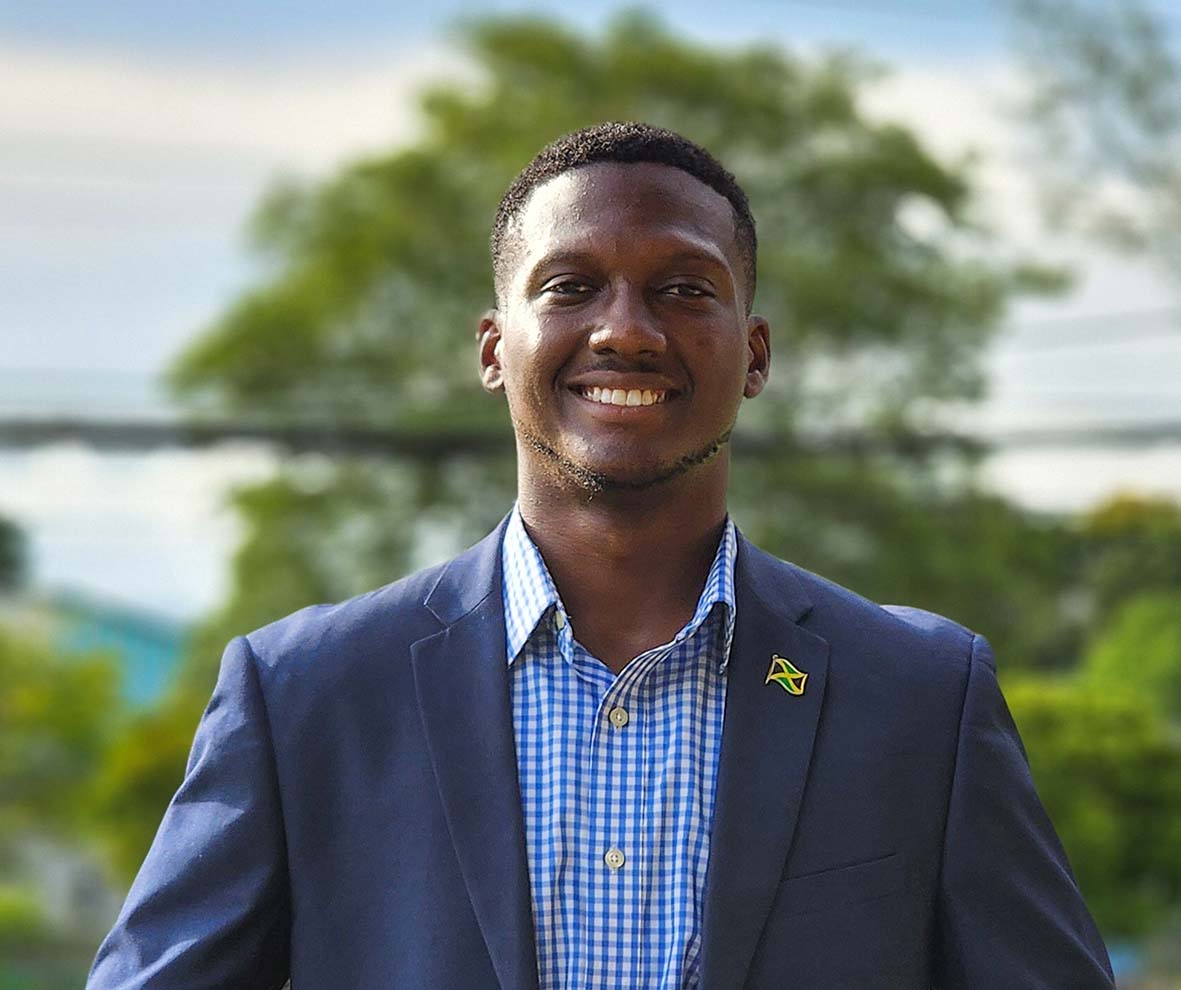
Dane Egla is a third-year student at the University of the West Indies, Mona. He is currently pursuing a BSc in Environmental Biology with a minor in Public Policy and Management.
ADDRESSING VIOLENCE AGAINST CHILDREN
Nathan Powell | Child Sexual Abuse: An Injustice Against Humanity
Sexual violence severely plagues the welfare of our nation’s children and adolescents. Whether it be grooming or unsolicited exposure to pornography, these dangerous offences not only shatter the wellbeing of those affected but also the cultural fabric of the society.
From as early as age five, many young people are exposed to inappropriate content and lewd ideas. This increases the likelihood of children engaging in sexual practices prematurely and being exposed to sexual abuse. As a result, we see the traumatisation of children at a young age.
According to the 2023 Jamaica Violence Against Children and Youth Survey, around one in three females and more than one in five males have experienced sexual violence. Such profound trauma is a great hindrance to children’s development. For example, it can contribute to the affected children engaging in a life of crime where they perpetrate the same acts.
There are many actions that can be taken to curb the prevalence of sexual violence in our society. Firstly, the strengthening of existing laws, such as the Child Care and Protection Act, starting with provisions that relate to prostitution. Currently, Jamaica’s legal framework does not align with international conventions in relation to child prostitution, a major flaw that has allowed for the issue to prevail.
Moreover, therapeutic and social support should be a major objective for the Government. Providing trauma-informed counselling can break the cycle of abuse and address root causes such as family dysfunction. Active decision-making must take place if we wish to vanquish this lingering threat for the sake of future contributing members of our society.
Nathan Powell is senior prefect at the Wolmer’s Boys’ School. An accomplished student who placed on the CAPE regional merit list in both Literatures in English and Management of Business, Nathan aims to become an attorney-at-law.
SUPPORTING CHILDREN WITH SPECIAL NEEDS
Rohanna Dixon-Thomas | Not Lazy, Not Stupid: Expand Support for Children With ADHD
It is not uncommon for some of the smartest students in Jamaica to end up repeating subjects or even dropping out. In the minds of many, these students are often thought of as incapable or “dunce”. Yet, for students with attention deficit hyperactivity disorder (ADHD), the issue is not with their intellect but a struggle with maintaining focus for prolonged periods of time.
ADHD is a developmental disorder that can affect all areas of life. This may make tasks such as planning and time management difficult. Internationally, studies suggest that students with ADHD consistently have lower GPAs than their non-ADHD peers and are more likely to not complete their studies. Regrettably, these signs of academic underperformance are often attributed to a lack of effort or a learning disability.
While there has been increased awareness of the disorder, there is very limited research that focuses on its prevalence among students. Additionally, the cost of screening as well as longstanding cultural views on mental health issues, represent further barriers for improved support for persons with neurodevelopmental challenges. Consequently, many with the disorder are unaware of their symptoms and go undiagnosed.
Nevertheless, there are clear measures that can be taken to address these issues. This includes introducing screening at local health clinics or through high school counselling services to identify and assist at-risk students. To further improve access to care, subsidized assessments could be provided through public-private partnerships.
Such support would enable individual interventions such as medication, environmental control, and task management strategies. With these measures in place, students would have already developed coping systems by the time of their university enrolment. This would help reduce the likelihood of academic challenges and improve overall performance.
Finally, there needs to be greater public education and research on ADHD and other neurodevelopmental conditions. This would help to guide policy and also challenge beliefs that link academic struggles with low intelligence or incompetence.
Rohanna Dixon-Thomas holds a Bachelor of Science in International Relations. She is an advocate for ensuring fairness and equity in the school system.
Winthrop Taylor | An Urgent Plea for Those With Special Needs
In Jamaica, children with special needs account for 10 percent of the total child population. These include children with physical disabilities like those who are wheelchair bound; those with learning disorders like autism spectrum disorder as well as children with genetic disorders such as Down’s Syndrome.
As a society we often find ourselves actively or even subconsciously limiting the opportunities of these children. For instance, many who are wheelchair bound may not have the opportunity to participate in physical activities such as playing basketball with friends.
Children may also be limited by their parents and guardians in social endeavours such as pursuing romantic pursuits and forming friendships. This arises as they are frequently confined to home due to fear on the part of parents, stigma and discrimination by others.
This has serious ramifications for the disability community. For one, an estimated 25 percent of these children are not registered in schools. This robs children of opportunities to learn how to read and write. It may also make these children unable to adapt to changing environments that the school environment can provide.
Though we have come a far way in decreasing stigma, additional support is often given to children who are from more privileged socioeconomic backgrounds. Therefore, there is a need for greater support to be given to identify children with disabilities especially those born within challenging circumstances.
Additionally, parents in these circumstances should be given greater support in the form of counselling, encouragement and providing advice relating to caring for children with these conditions. The priority should be to ensure that these children benefit from having as close as possible to a normal childhood as circumstances would allow. With such measures, we can ensure that all children reach their full potential and learn how to integrate seamlessly into society.
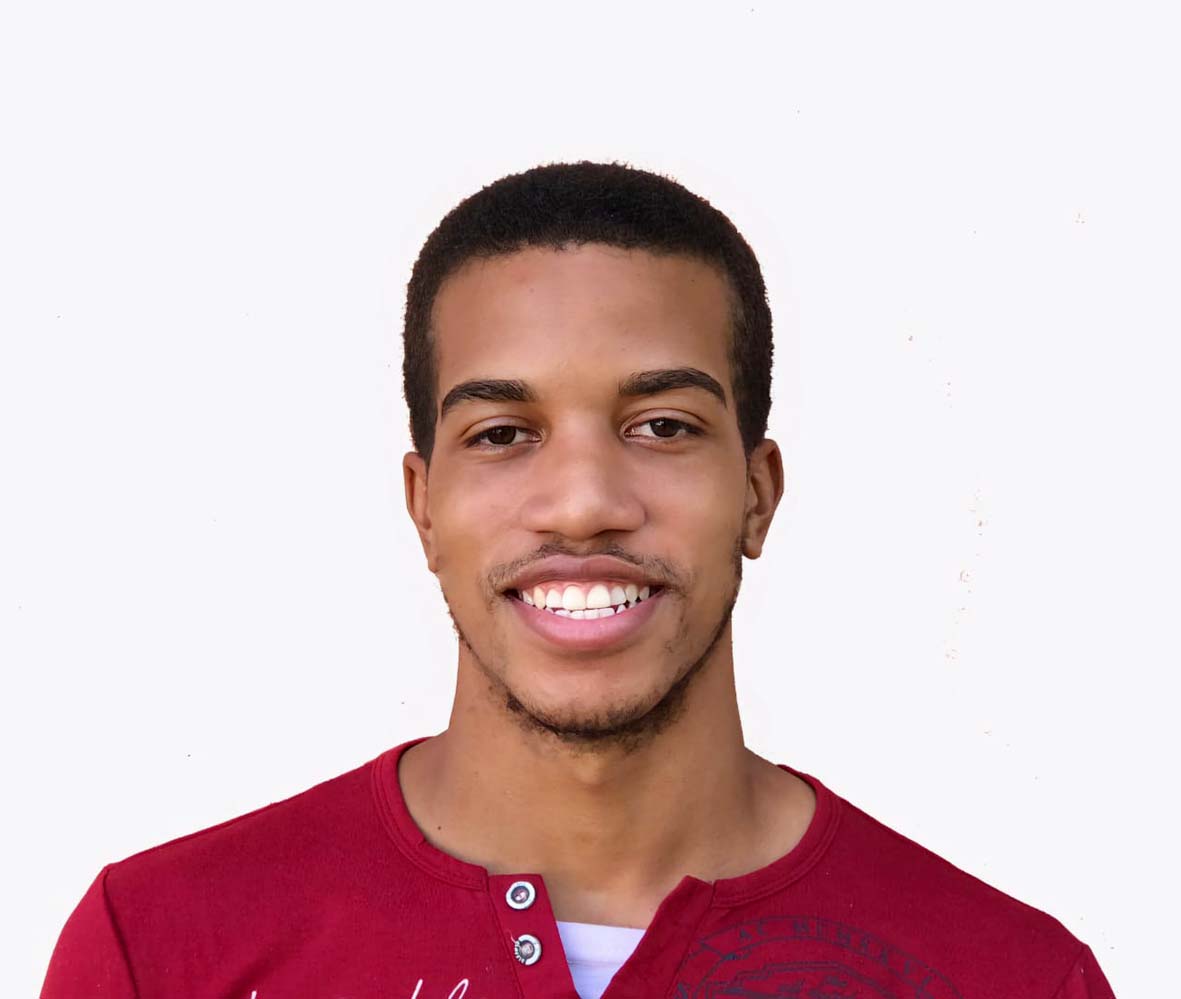
Dr. Winthrop Taylor is a medical doctor currently working at The Victoria Jubilee Hospital. Driven by the maxim, "Children are the future," Winthrop is interested in specialising in paediatric surgery.
Dana Atkinson | Who Gets to Be a Child in Jamaica: Redesign Public Spaces for All Children
In Jamaica, we often speak about protecting our children. But who are we truly designing our spaces for? For many children living with disabilities across a range of visible and invisible needs, childhood can feel limited to what is accessible, rather than what is possible.
Even though conversations around inclusion have grown significantly, our everyday environments certainly tell a different story. Moreover, while notable strides have been made, schools, parks and other recreational spaces are not always designed with all children in mind.
Despite Jamaica making commitments to child protection and inclusive education, implementation largely remains uneven in practice. Too often, inclusion has been treated as a small adjustment, something to be considered after systems and spaces have already been created. Thus, inclusion is seen as an afterthought, rather than a standard built from the outset.
Childhood is not just confined to education or protection, it is about evolution and exploration, belonging, and participation. When children are unable to fully engage in everyday spaces, they are effectively excluded from critical developmental junctures that are necessary for their growth and maturation. This impacts their confidence, identity, and overall well-being.
As we observe Child’s Month, we must move beyond viewing the act of inclusion as an afterthought. We must intentionally build it into our systems of policy formation and design. Policies, public spaces, education and community initiatives must reflect the diverse needs of all children from inception.
This can start with renovating public recreational spaces and school facilities, especially those at early childhood institutions. If we recognise that the protection of children is all encompassing, regardless of ability, then we should strive to ensure that all children experience the fullness of childhood in Jamaica.
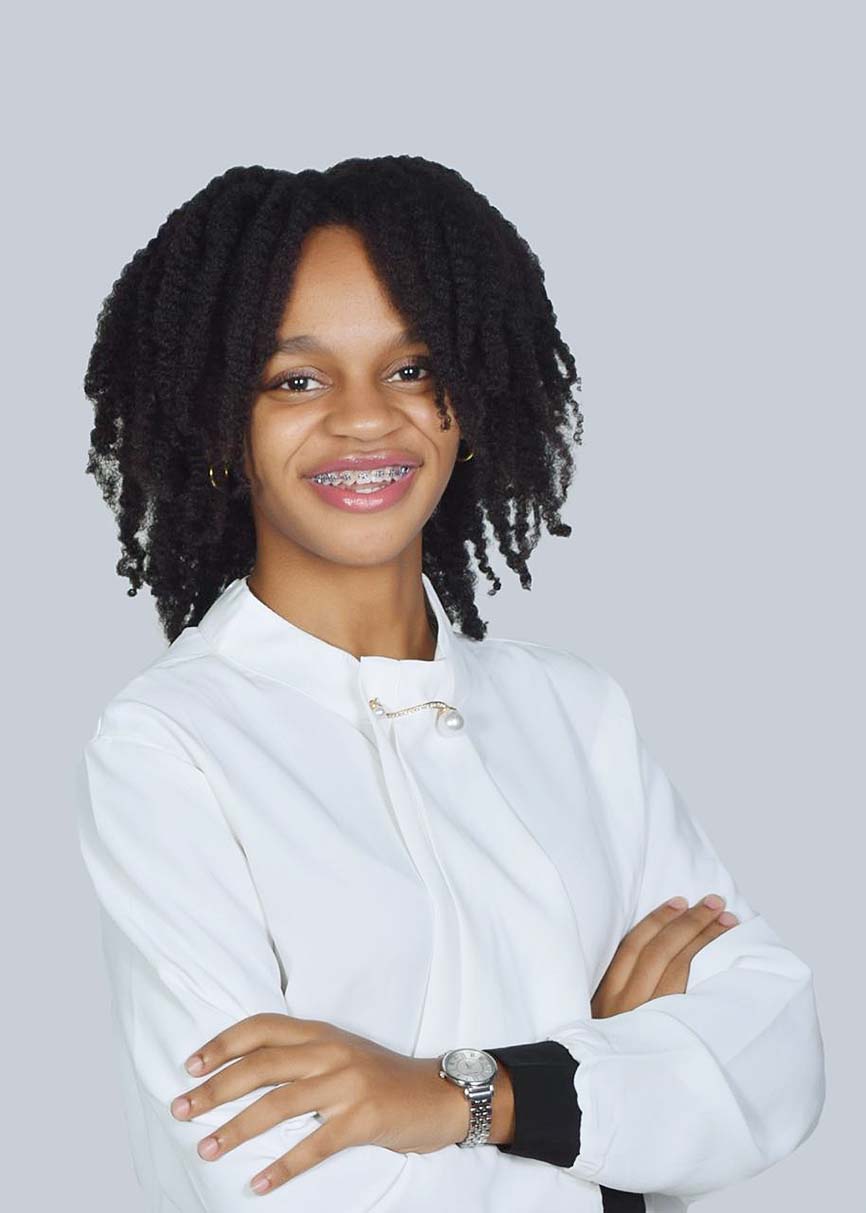
Dana Atkinson is a development practitioner focused on social policy, with experience working with at-risk youth. She holds a Master of Science in Development Studies from the University of the West Indies, Mona.
PROMOTE HUMAN CAPITAL DEVELOPMENT
Blake Brown | Human Capital Development Must Continue To Be the Priority
Jamaica’s long-term growth will depend less on what we extract from the ground or the physical resources we can mobilise, and more on what we cultivate in our people. A modern economy requires citizens who are educated, skilled, adaptable and able to participate in new industries. Thus, human capital development is a critical enabler of the national growth agenda. Our education policy must continue to reflect that focus especially for our children.
In recent years, the Government of Jamaica has taken many important steps in this direction. The education transformation agenda has moved from diagnosis to implementation with 129 initiatives being advanced to improve governance, teaching, learning, infrastructure and student outcomes.
The removal of tuition and administrative fees for HEART/NSTA Trust programmes up to Level 4, and the announced move to extend tuition-free access up to Level 5, directly supports skills development and upward mobility on a broad scale. With many teenagers considering non-traditional careers, these interventions are essential.
The Government has also recognised that students cannot learn effectively if they cannot get to school or if they are hungry. Hence, the Rural School Bus Programme is a major development with reports indicating that attendance has risen to 95 percent where buses are operating. The National School Nutrition Policy is another human capital measure aimed at ensuring that children are healthy and ready to learn.
These interventions show that Jamaica is capable of undertaking prudent policies that can significantly advance education outcomes. We must see investing in children’s education and wellbeing as the economic infrastructure needed to achieve growth. Jamaica’s next stage of development must deepen this approach by aligning our schools, HEART, tertiary institutions and employers around the single objective of producing citizens who can innovate, compete globally and build the new, reimagined Jamaica.
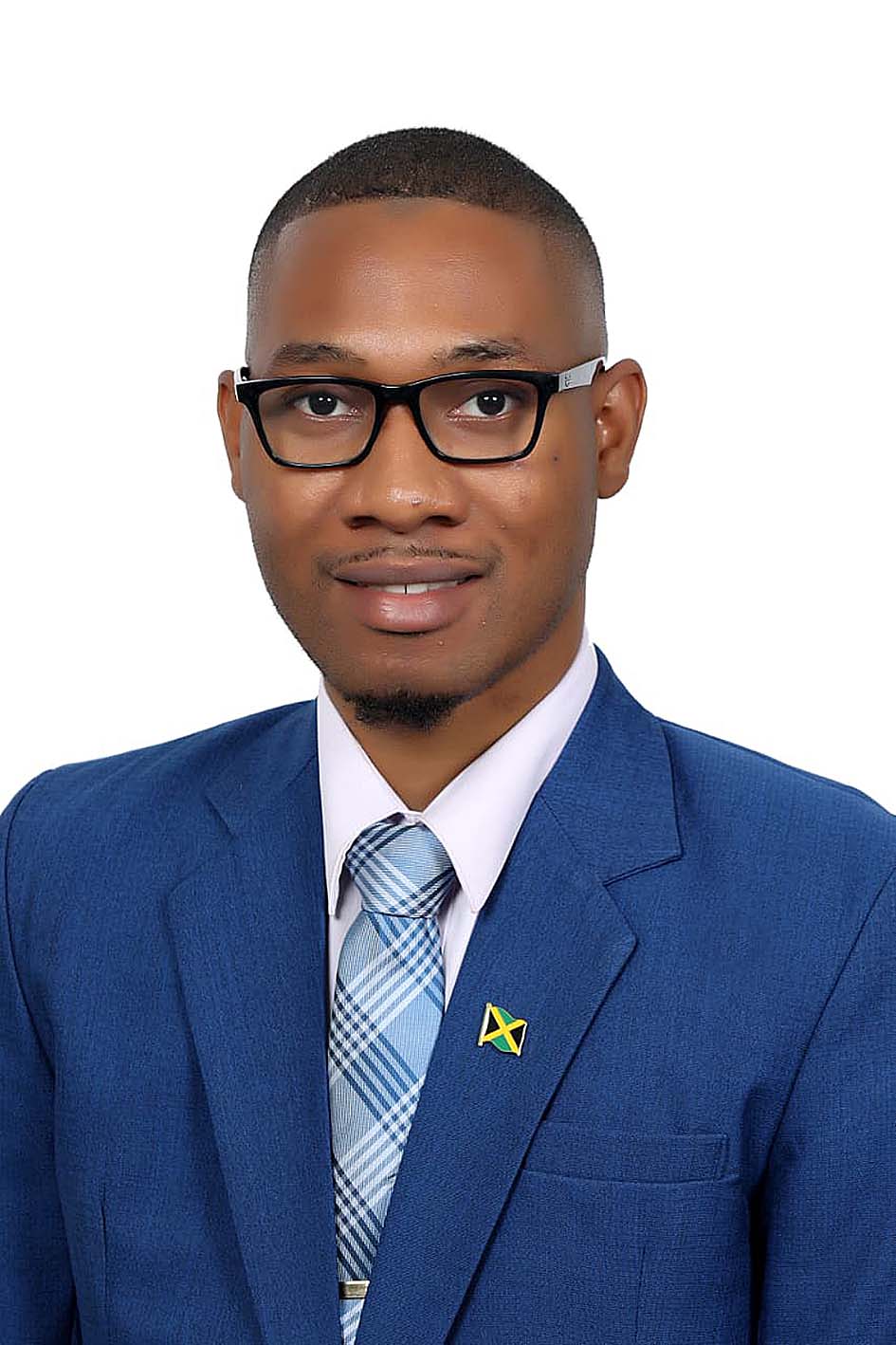
Blake Brown is a policy analyst who is passionate about reforming Jamaica's education system. He is a board member of the National Education Trust, an agency of the Ministry of Education, Youth, Skills and Information.
David R. Salmon is the coordinator for this youth contributor series. A former Gleaner journalist, David is committed to providing opportunities for young people to share their thoughts and perspectives on important national issues. To send ideas and feedback, email davidsalmon@live.com or message him on Instagram @davidsalmonja.