Conscience crisis - Heart of Jamaicans study reveals widening generational divide over ethics and self-interest
Loading article...
-
Ian Allen/Photographer
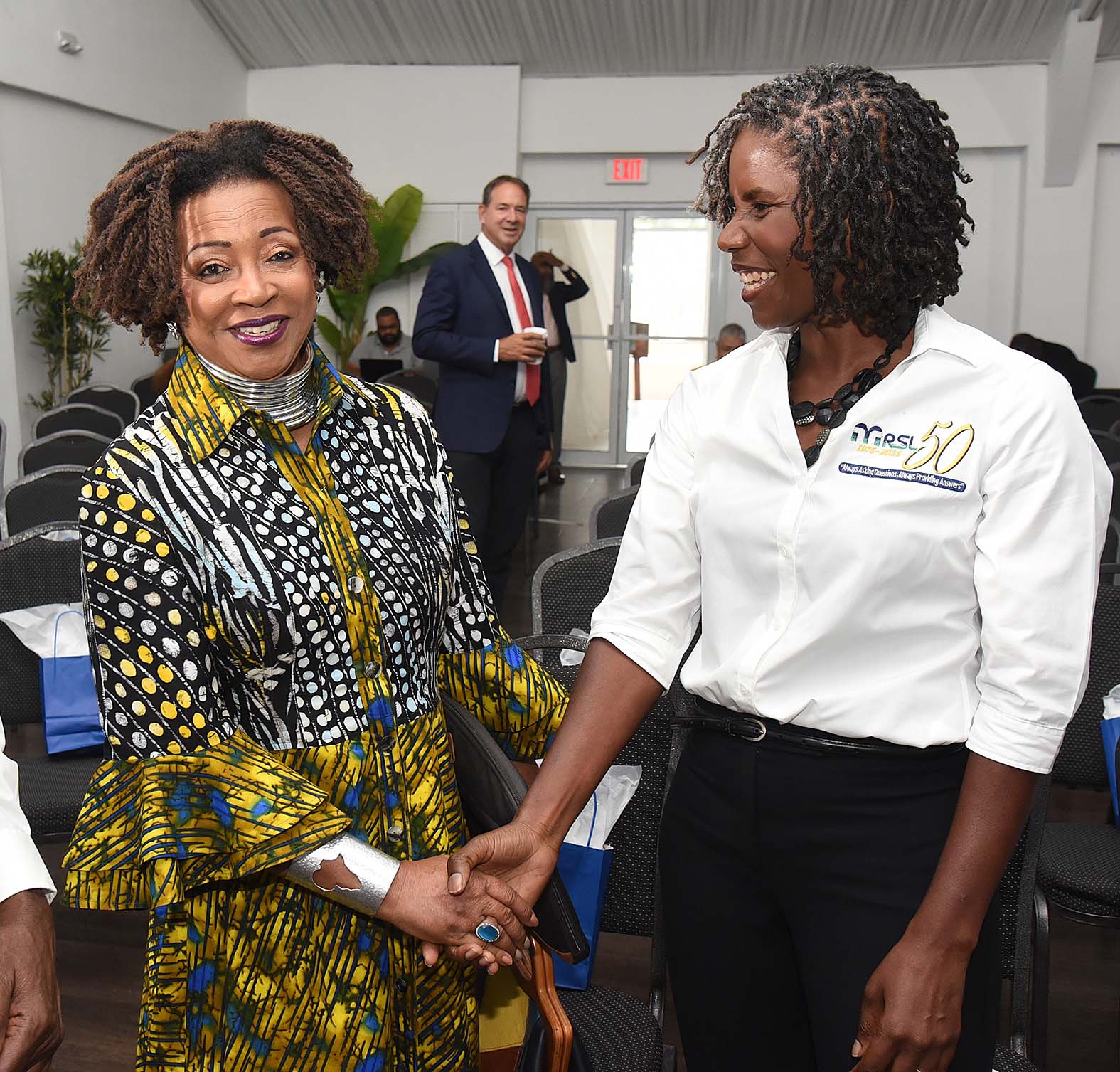
Professor Verene Shepherd (left), panelist at Market Research Services’ ‘Unveil the Hearts and Minds of the Jamaican People’, and Kishka-Kaye Anderson, CEO of Market Research Service Limited (MRSL), greet each other just before the presentation of the findings at the S Hotel in New Kingston yesterday.
-
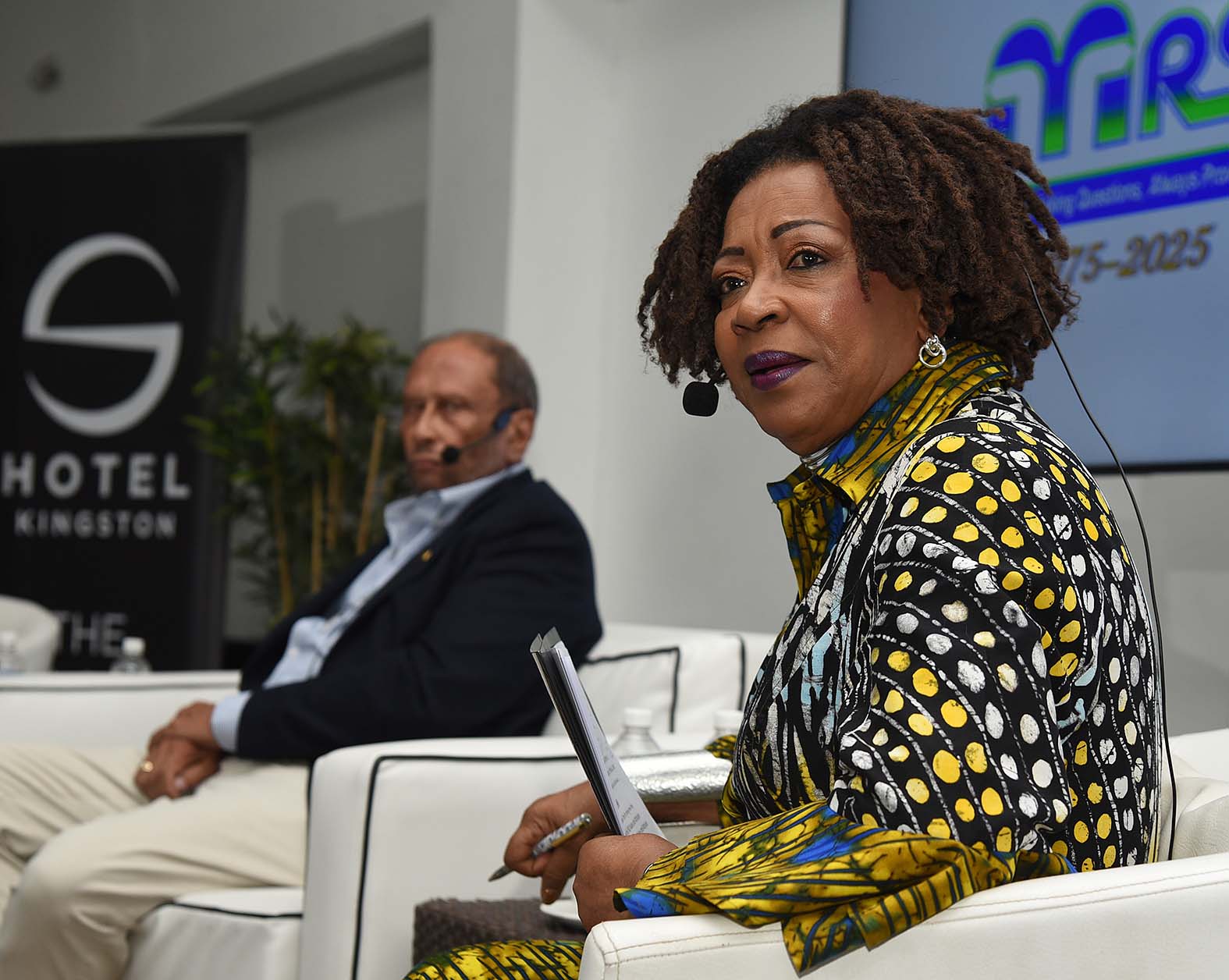
Panellists Professor Verene Shepherd (right) and Howard Mitchell during the presentation of the findings of Market Research Services Limited’s ‘Inside the Hearts and Minds of Jamaicans’ survey at the S Hotel in New Kingston yesterday.
-

Panellists Professor Verene Shepherd (right) and Howard Mitchell during the presentation of the findings of Market Research Services Limited’s ‘Inside the Hearts and Minds of Jamaicans’ survey at the S Hotel in New Kingston yesterday.
Despite Jamaica’s economic progress, successive generations have failed to implement the social reforms needed to improve the lives of all Jamaicans, businessman Howard Mitchell has asserted.
His remarks come amid findings highlighted yesterday from the Market Research Services Ltd (MRSL) Heart of Jamaicans Survey, which revealed frustration among Jamaicans over perceived corruption and social injustice, alongside an increasing willingness among younger people to bend rules and prioritise personal advancement.
The nationwide survey, conducted between November 17 and December 10, 2024, sampled 1,100 Jamaicans aged 18 and older and sought to measure the values shaping the country’s social and cultural outlook.
The researchers have argued that the relevance of the findings would not have been affected by either the time that has passed or significant events, such as the 2025 general election and Hurricane Melissa, that occurred since interviews were conducted.
The survey highlighted that while older generations continue to uphold traditional values of discipline, selflessness, and wisdom, younger Jamaicans, particularly those aged 18 to 34, are showing a greater willingness to bend the rules, prioritise themselves, and justify questionable actions in the name of survival or personal gain.
According to the survey, most Jamaicans (69 per cent) reject breaking the law as a means to get ahead, but among the youngest adults, that stance begins to soften. The survey found that individuals in the 18 to 44 age group are more likely to support illegal or unethical behaviour to reach their goals. Similarly, while 67 per cent of respondents overall believe it is wrong to prioritise oneself at the expense of others, younger participants were more inclined to embrace this mindset.
Further, 81 per cent of respondents in the survey agreed with the local saying “Jackass seh di world nuh level”, highlighting deep-rooted frustrations with fairness and justice in Jamaica.
“We are in urgent need of social reform; defining who we are, giving respect to the culture that has made us who we are, defining that culture in terms of what is ‘hill’ and what is ‘gully’, and what we approve of,” Howard said.
He added: “That is the kind of examination that this study should trigger because no amount of economic success will make us human beings. We are made human beings by our determination of our status and the respect that we give to ourselves and then to others.”
However, the survey noted that despite the national outcry about injustice, Jamaicans overwhelmingly reject vigilante-style solutions. Nearly three-quarters - 73 per cent - are against taking the law into their own hands, and an even greater percentage - 82 per cent - oppose setting someone up to face “justice” through backdoor retaliation, highlighting a commitment to due process even if they feel the formal justice system isn’t always on their side.
The survey also found that Jamaicans place the highest value on family, followed closely by their children’s education, a trend that Professor Verene Shepherd noted is deeply rooted in the country’s history of enslavement.
“The centrality of family is not a surprise to me,” she said. Under chattel enslavement, our family was disrupted, captured and trafficked, separated from family, put on plantations everywhere in the Americas and other places …So in the aftermath of emancipation, the most important thing was the reconstruction of the black family. So since then, that has been a central important activity to reconstruct the black family,” she said.
And despite the strong emphasis on education, Mitchell argued that much of Jamaica’s school system remained shaped by colonial-era structures and is in need of reform.
“Access is critical in the process of education, and that is why our Jamaican people say my children must get their education because that is how they are going to jump over the fence,” he said. However, Shepherd contended that access has widened, however, there are still some very persistent inequalities in the education system.
“Because of the differences in the infrastructure of the schools, some schools are better resourced than other schools. Some schools look down, and some schools are very nice, and I think that we have to ensure that visually, our children don’t feel that they are at an inferior school,” she said.
Shepherd and Mitchell were panelists at the launch of the survey at S Hotel in New Kingston yesterday.
editorial@gleanerjm.com