Clarendon ganja growers urged to tap into new licensing arrangements
Loading article...
-
 Rupert Walters, president of the St Catherine Ganja Growers Association and GGPAJ senior vice president.
-
Rupert Walters, president of the St Catherine Ganja Growers Association and GGPAJ senior vice president.
-
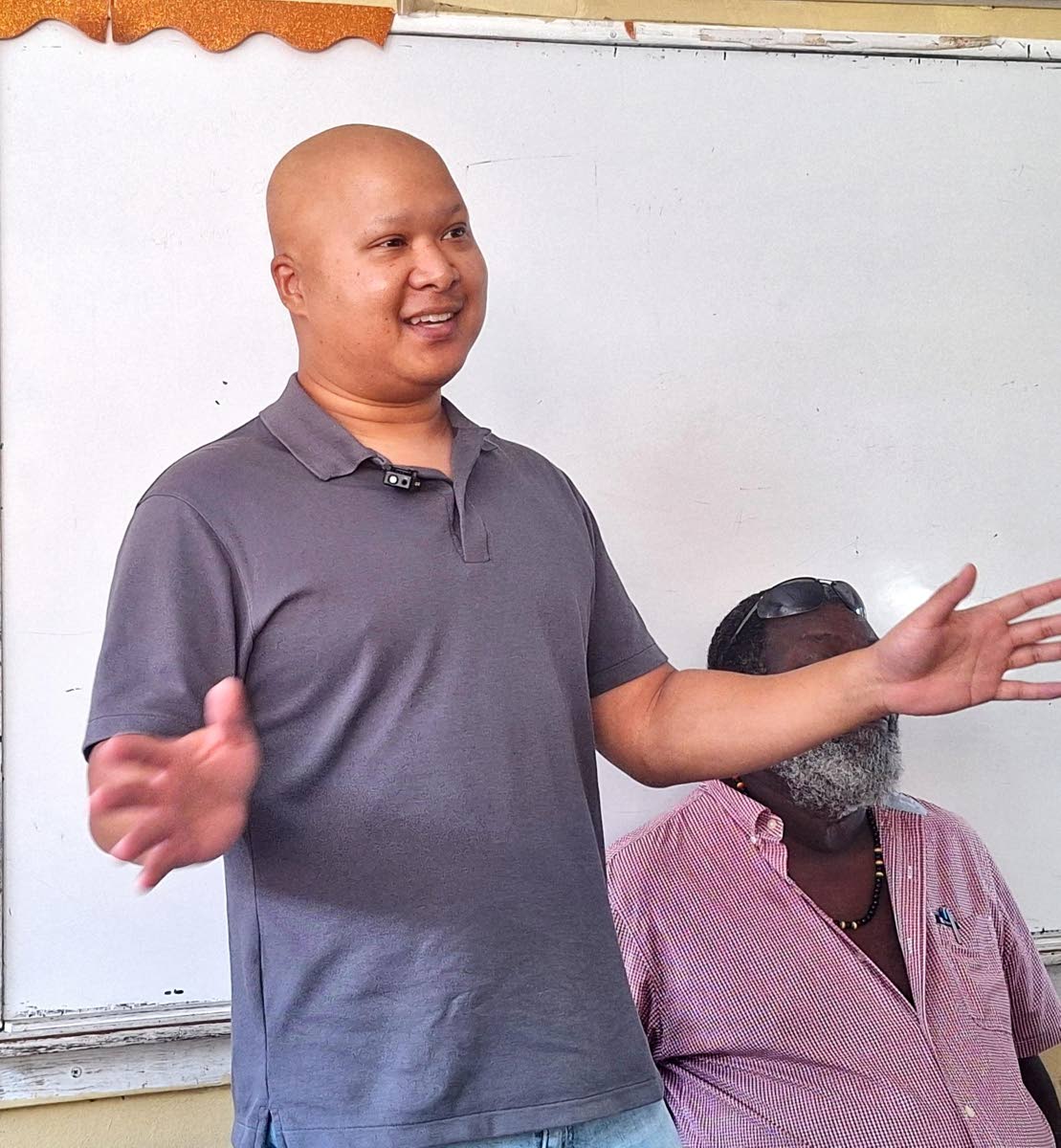 Rory Liu, vice president of the Ganja Growers and Producers Association of Jamaica, addresses a recent meeting at Central High School in May Pen, Clarendon.
Vendors and small-scale farmers in Clarendon are being encouraged to organise themselves and take advantage of new licensing arrangements designed to make it easier and more affordable to enter Jamaica’s regulated medicinal cannabis industry.
The call came during a meeting hosted by the Clarendon Ganja Growers group, in partnership with the Ganja Growers and Producers Association of Jamaica (GGPAJ) at Central High School in May Pen, recently.
The meeting saw small farmers receiving guidance on recent legislative changes, licensing opportunities and the benefits of participating in the legal cannabis market.
GGPAJ Vice President Rory Liu said the Cannabis Licensing Authority’s (CLA) new Special Community Permit and Cultivators (Transitional) Special Permit offer practical pathways for growers who previously found the cost of entering the regulated industry beyond their reach.
Jamaica’s regulated cannabis industry operates under the CLA, established in 2015 to oversee cultivation, processing, and distribution for medical, therapeutic and scientific use.
“With this first meeting they have, they can take advantage of the community special permit programme. They can come together, organise themselves and apply for the community permit. They can register as a friendly society, association or company and then enter the legal space of the medical cannabis system,” said Liu, responding to questions posed by The Gleaner following the event.
He said the community model is particularly beneficial to young people and aspiring entrepreneurs who have the skills and interest to cultivate cannabis, but lack the financial backing needed to obtain traditional licences.
“We see a lot of them growing a few ganja plants as a hobby or on the side, and they now want to turn that into a business,” Liu said.
“These transitional permits actually get them into the legal space without that high cost. It fosters entrepreneurship and creates an opportunity to earn an income.”
Liu added that the industry should move beyond simply cultivating cannabis for smoking and instead place greater emphasis on developing medicinal and value-added products that are affordable and accessible to Jamaicans.
“As we saw here, people were talking about treatment for their children and others were talking about treatment for different ailments,” he said.
“I would like to see herbal products that include ganja becoming much easier to place on the market and distributed, so that instead of high-priced pharmaceutical products, these remedies are available to everybody,” said Liu who is also the founder and chief executive officer of Everyting Oily Labs Limited, Jamaica’s first licensed medical cannabis processor.
Rupert Walters, president of the St Catherine Ganja Growers Association and GGPAJ senior vice president, said the association remains committed to ensuring that traditional ganja farmers are not left behind as the industry evolves.
“We have reached a stage where we must move beyond the practice of hiding in the bushes,” Walters told the gathering.
“We want to ensure that ordinary Jamaicans who have been involved in the trade, planting and selling, can be legalised as much as possible without having to pay millions of dollars.”
Walters reminded growers that amendments to the Dangerous Drugs Act allow adults to cultivate up to six cannabis plants for personal use and possess up to two ounces of cannabis. He urged participants to familiarise themselves with the law, arguing that many Jamaicans remain unaware of the rights now afforded to them.
Reflecting on the impact of previous cannabis laws, Walters said many Jamaicans had lost employment, travel and other opportunities after receiving criminal records for minor ganja offences.
“Some people get locked up for one spliff,” he said. “It becomes a problem to get a visa, a good job or even a police record, all because of one little spliff.”
He welcomed the expungement provisions under the amended legislation, noting that eligible people can have qualifying convictions removed, giving them a renewed opportunity to participate fully in society.
The meeting formed part of the GGPAJ’s ongoing outreach programme to educate growers on the evolving regulatory framework, and encourage greater participation in Jamaica’s expanding medicinal cannabis industry.
olivia.brown@gleanerjm.com