Immigration | Why did my siblings get visas and I didn’t?
Loading article...
-
 Photo - www.pexels.com
-
Photo - www.pexels.com
-
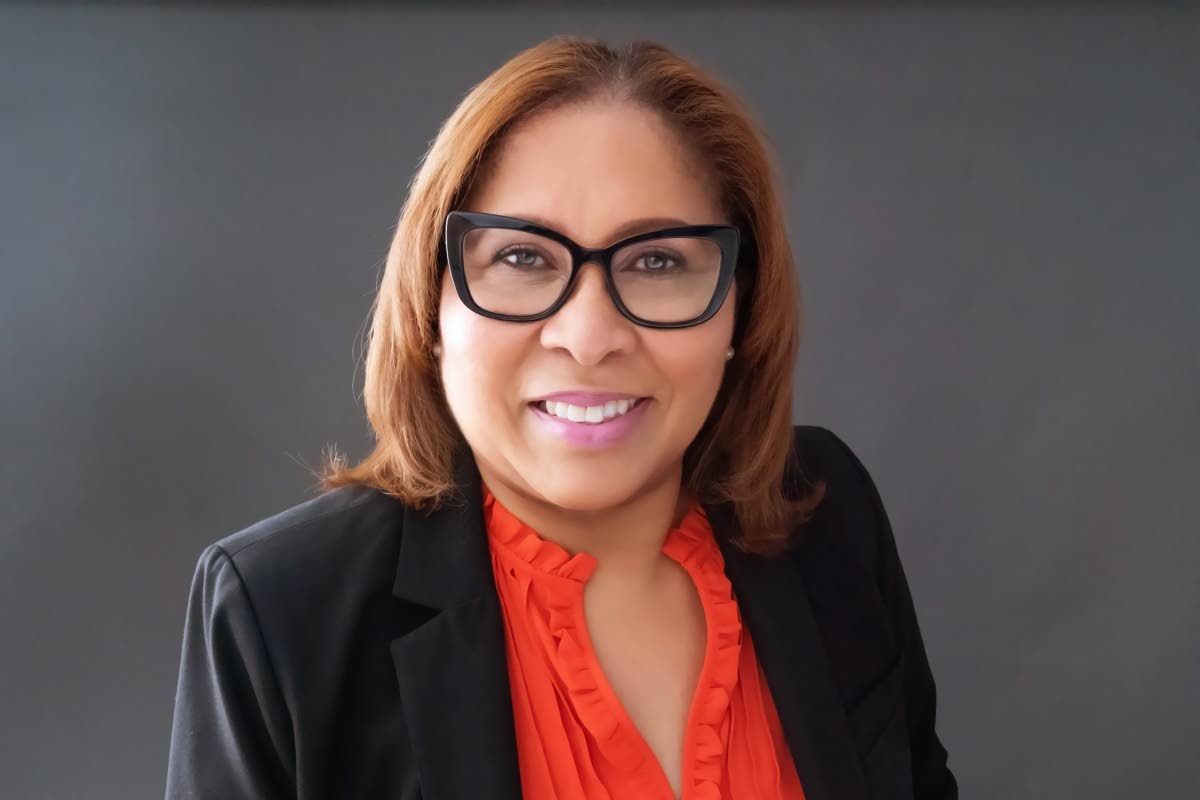 Dahlia Walker-Huntington. Photo - Contributed
Hi Mrs. Dahlia A. Walker-Huntington,
My dad filed petitions for myself and my three other siblings. Of the four at the time when the petition was filed, three of us were under the age of 21 years. However, with me being a year older than my two siblings when they received their interview dates, I did not receive a date but was informed that I was placed in another category that would take some number of years before I receive an interview date.
KR
Dear KR
Under United States immigration law, a child is anyone who is unmarried and under age 21. The United States Congress passed the Child Status Protection Act (CSPA) in 2002. It was intended to help intending immigrants who were filed for before age 21, but due to long processing times were no longer considered children – or “aged out” of their original category. The result, however, is that the CSPA is a complicated law that has spawned numerous training sessions for immigration lawyers.
The “ageing out” of children has caused family separation and untold heartaches to families all around the world. It can mean that a derivative beneficiary is totally blocked from migrating on the original petition for their parent and that the migrating parent must then file a brand-new petition for their now adult son/daughter. The only children who do not automatically “age out” of the filing process are those whose parents are US citizens – their age as a child is protected even if they are over 21 when their visa is processed without conducting a CSPA calculation.
Other beneficiaries, however, can be caught in the CSPA calculation, or simply placed in a different category once they age out. Derivative beneficiaries (e.g. grandchildren of a US parent petition) would be subject to the CSPA calculation. Direct child beneficiaries of a visa petition filed by a permanent resident parent are placed in a different category once they are no longer children for immigration purposes. A permanent resident petitioner filing for their child is in the F2A preference category. However, once the child is no longer a child (for immigration purposes), the petition is bumped down to the F2B category. The wait-time difference between those two categories varies over time but currently, is approximately eight years.
A US embassy or consulate conducting an immigrant visa interview is ultimately the decision maker on CSPA eligibility. They do sometimes make mistakes, and when asked to or confronted with a different outcome under the CSPA calculator will revisit their calculation and can determine whether to proceed with processing the “aged-out” child or stick by their decision.
Dahlia A. Walker-Huntington, Esq. is a Jamaican-American attorney who practises immigration law in the United States; and family, criminal & international law in Florida. She is a mediator and former special magistrate & hearing officer in Broward County, Florida. info@walkerhuntington.com.