Allman Town: The first post-emancipation suburb
Loading article...
-
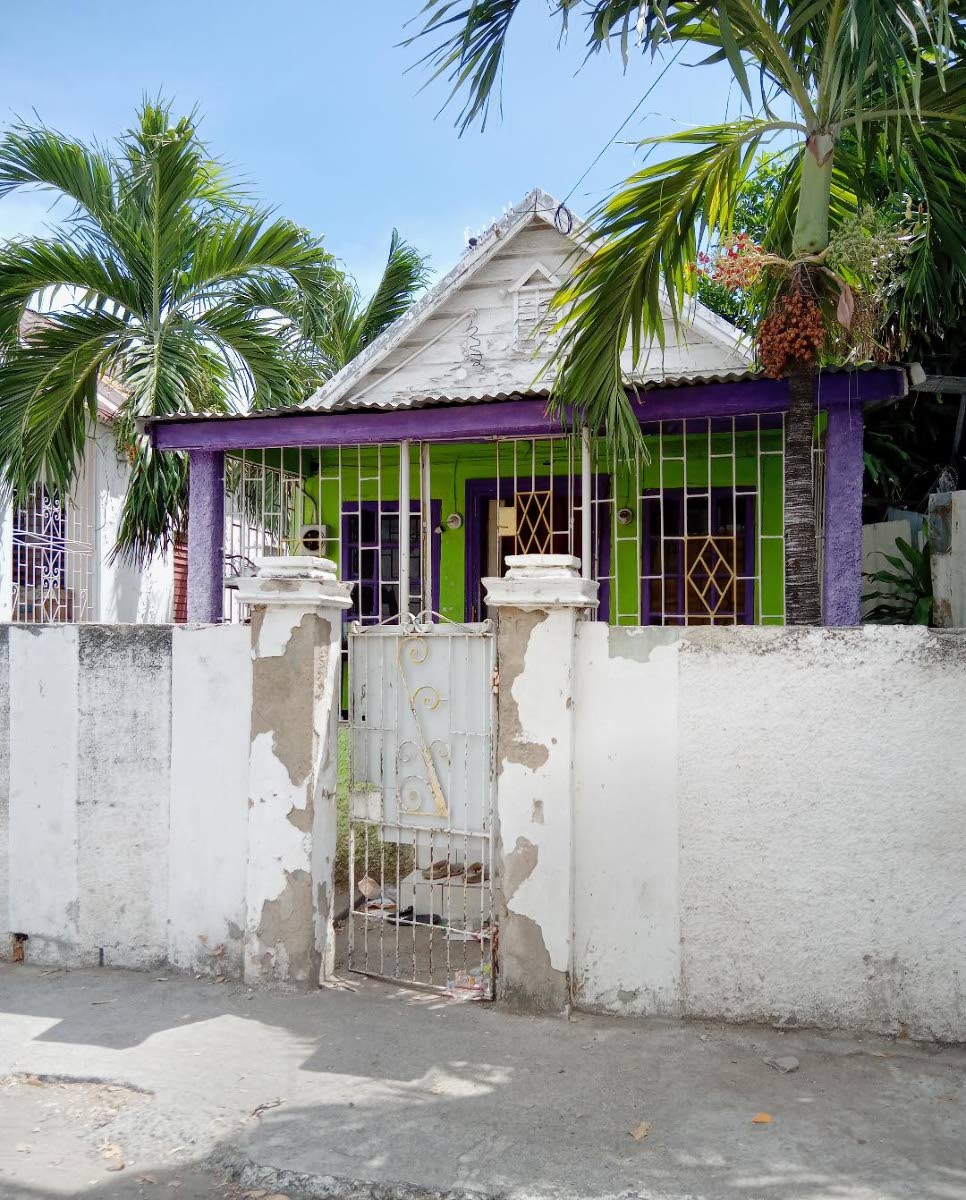 A property in Allman Town. Photo - Contributed
-
A property in Allman Town. Photo - Contributed
-
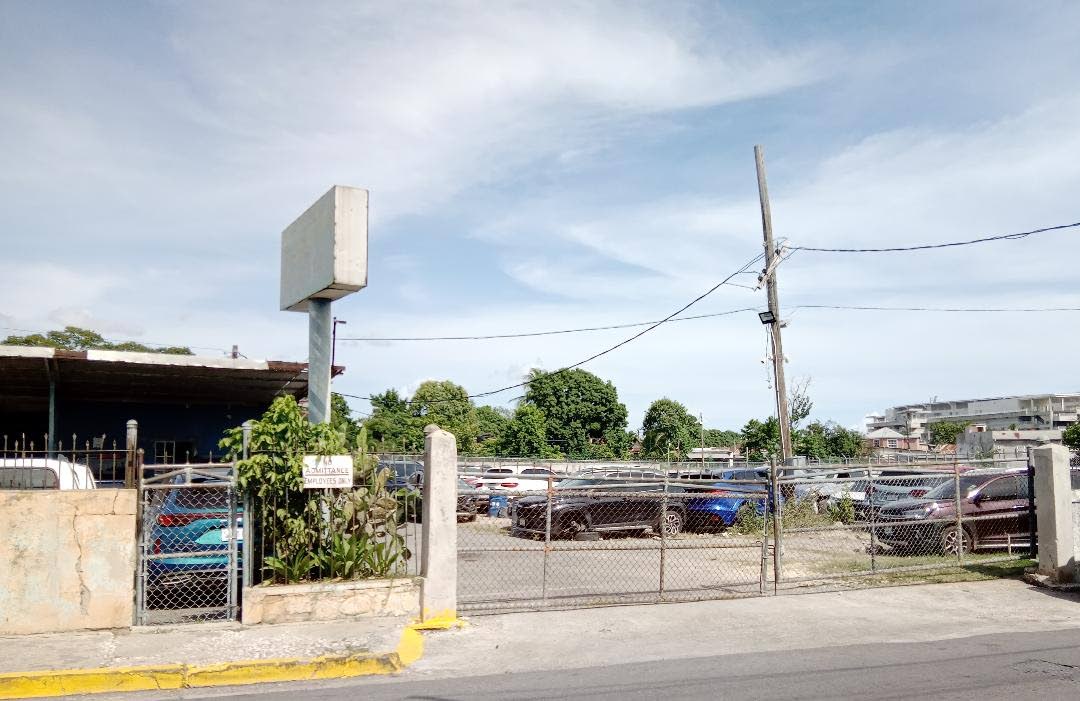 The former Lannaman's location in Allman Town. Photo - Contributed
-
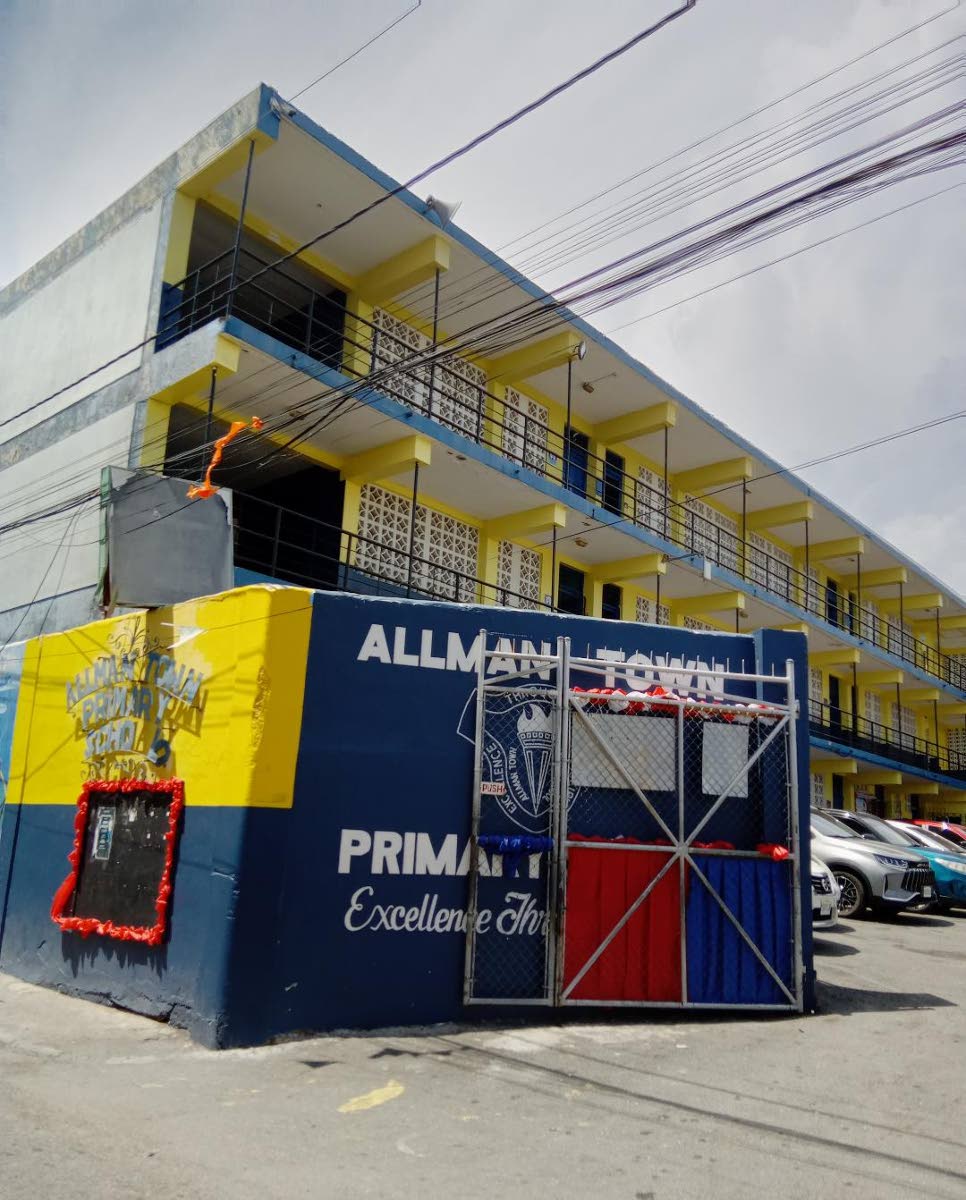 The Allman Town Primary School. Photo - Contributed
-
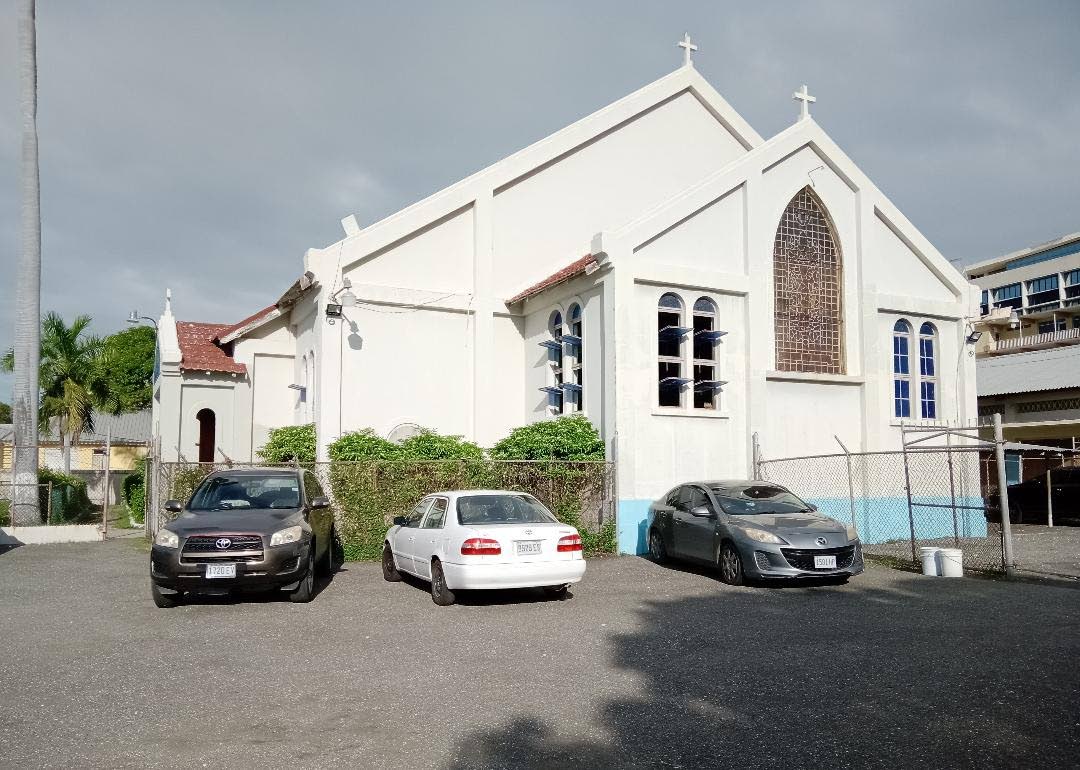 left: St Matthew’s Anglican Church in Allman Town. Photo - Contributed
Allman Town was one of the first post-Emancipation housing developments in Kingston and St Andrew.
In the beginning – Allman Pen
Before 1750, indications are that Allman Town was part of Cavalier’s Estate which, in the 18th century, was a quite large property of about 500 acres. This subdivision from Cavalier’s possibly became known as Monk or Monck’s Estate/Pen, and later Allman Pen. The problem is that many properties in Kingston are not named in historic deeds and on maps. A separate property is seen on maps of Kingston and St Andrew from about 1774, but is not named. There is much speculation surrounding the evolution of Allman Town in the 18th century. Much more in-depth research is required to confirm the information available.
From biographical information online about renowned Irish medical doctor and botanist Dr William Allman (1776-1846), who was born in Jamaica, it seems that Allman Town was linked to his father, Thomas Allman (1749-1814). Thomas Allman was born in Ireland to Thomas and Mary Allman. It is recorded in genealogical information found online that he came to Jamaica as the overseer at Monk or Monck’s Pen. He married the only surviving daughter of the owner in 1770. She died shortly after. Monk’s Pen became Allman’s property, and he renamed it Allman’s Pen.
In 1774, Thomas Allman took as his second wife Mary Harmond, who was born in Waterford, Ireland. Irish newspapers show that Thomas and Mary Allman were married at Drumcannon Church, Waterford, in Ireland. They must have returned to Jamaica. They had two children, daughter Frances, possibly born in 1775, and son William (Dr Allman), born in Jamaica in 1776. Thomas Allman and his family returned to Ireland in 1780.
British newspaper records show that another Thomas Allman was in Jamaica in the 1840s. He was clerk to the Agent Victuallers, who provided food supplies to the British Navy in Jamaica. He was accused of forgery and embezzling £1,283 in 1743.
Frank Cundall (1858-1937), secretary and librarian of the Institute of Jamaica, mentioned this Thomas Allman of 1843 in his books Place Names in Jamaica and Historic Jamaica, but stated that Allman Town was named for another Irishman named George Allman, as told to him by George Fortunatus Judah (1834-1917).
From current research, it turns out that George Allman (c.1800-1856) was a doctor in the British Army, starting as a hospital assistant in 1826. He was apothecary to the army in Jamaica in 1828, likely at Up Park Camp. He served as a doctor with the West India Regiment and was stationed in Maroon Town, St James, in the 1840s. He retired and died in Ireland in 1854.
From this information, it is not clear that George Allman was the original owner of Allman Pen. Both Thomas Allman and George Allman owned properties in Jamaica, including in Kingston and St Andrew. Some of these properties were not named or dated. It was not possible to determine whether the two Allmans were related.
Allman’s Pen was subdivided into housing lots after Emancipation in 1838 and became known as Allman Town from 1843. From the work of Collin Clarke, in 1891, Allman Town had a population of 2,000 and was one of the largest suburbs in Kingston.
Boundaries
For this article, the boundaries of Allman Town are those of Allman Town proper – in the north, from Marescaux Road along Connolley Avenue, southeast along Arnold Road, then to Campbell Avenue and North Avenue in the south, and northeast along National Heroes Circle (Race Course) to the intersection of Marescaux Road and Connelley Avenue.
Greater Allman Town, as described by the Planning Institute of Jamaica, extends east to Camp and South Camp roads and south along North Street, then west along East Street to National Heroes Circle.
William and William Thomas Connolley
William Connolley (1825-1895), an army contractor and auctioneer/property developer, lived with his family at 1 Prince of Wales Street in Allman Town. It seems that he was involved in the later development of Allman Town and other communities.
Connelley Avenue was laid out in 1909 as a fashionable development linked to the Race Course by William Thomas Connolley (1859-1930), son of William Connolley. He was head clerk of the Army Pay Office at Up Park Camp and a member of the City Council from 1909-1921.
William Thomas Connelley was also a trustee of the Wolmer’s schools and owner of Vineyard Pen, which became Vineyard Town. He had five children.
St Matthew’s Anglican Church
St Matthew’s Anglican Church on Hitchen’s Street, now Weeville Gordon Street, was officially established in 1882/3 as a mission chapel and school. The building was constructed by J.T. Minott, a builder of Allman Town.
The effort to start a church commenced around 1880. Under Reverend Enos Nutall and Reverend H. Scotland, the small building housed a chapel and a school. With a growing church, the decision was taken around 1893 to build a proper, larger church.
The land was secured and the original building was relocated in 1894. Under the Kingston Church Extension Scheme, the cornerstone was laid in June 1895 for the new church. It was completed and dedicated in 1896.
St Matthew’s Church, though damaged, survived the 1907 earthquake. The longest-serving rector was Reverend Cannon Weeville Gordon, who served for 40 years, from 1963-2003. In 2005, Hitchens Street was renamed to honour Gordon, who was also custos of Kingston.
Schools
As stated, there was a school in Allman Town first linked to St Matthew’s Church. It became the Allman Town Practising School, run by the Mico Teachers’ Training College from 1915. The noted educator, John James (J.J.) Mills (1888-1966), was in charge of this school before joining the staff of Mico. This Practising School became the government-aided Allman Town Primary School by 1921.
From 1908, the Wolmer’s Schools were in the vicinity of Allman Town, at North Race Course and Marescaux Road, on Quebec Lodge Lands and a part of Cavalier’s Estate.
The Mico Teachers’ Training College was also on Quebec Lodge Lands, while the Kingston and Liguanea Water Works, now the National Water Commission, were at Montgomery Corner and Cavaliers.
In 1928, Mary Morris Knibb (1886-1964), educator and social reformer, established the Morris Knibb Preparatory School at Hector Street.
Allman Town and Woodford Park Citizens’ Association
In January 1938, the Allman Town and Woodford Park Citizens’ Association was formed by E.N. McGraham. The association was active in its early years, proposing the establishment of a postal agency and later its upgrading to a full-service post office. The telegraph office was opened in 1941.
Lannaman’s Confectionery
The famous Lannaman’s Confectionery business was at 4 Arnold Road. It was established by Granville Algernon Lannaman (1902-1974) around 1927-28. He was a confectionery chemist trained in Cuba and France and served as managing director.
Lannaman’s sweets, including paradise plum, mint balls and icy mints, were very popular. Lannaman’s entered the export market, and Granville Lannaman was honoured by the Chamber of Commerce in 1971. He died in 1974.
Musson’s bought the assets of Lannaman’s Confectioners in 1988, setting up a new company, Lannaman’s Holdings, to distribute the sweets.
Allman Town today
The population of Allman Town proper is now about 2,500. Like other older communities in Kingston and St Andrew, Allman Town has declined from a middle-income community into a lower-income and vulnerable urban community.
The evidence of urban decay is everywhere. There is, however, some evidence of improvement.
Prepared by Marcia E. Thomas, member of the Jamaica Historical Society and Built Heritage Jamaica