TB fears in lock-up
Loading article...
-
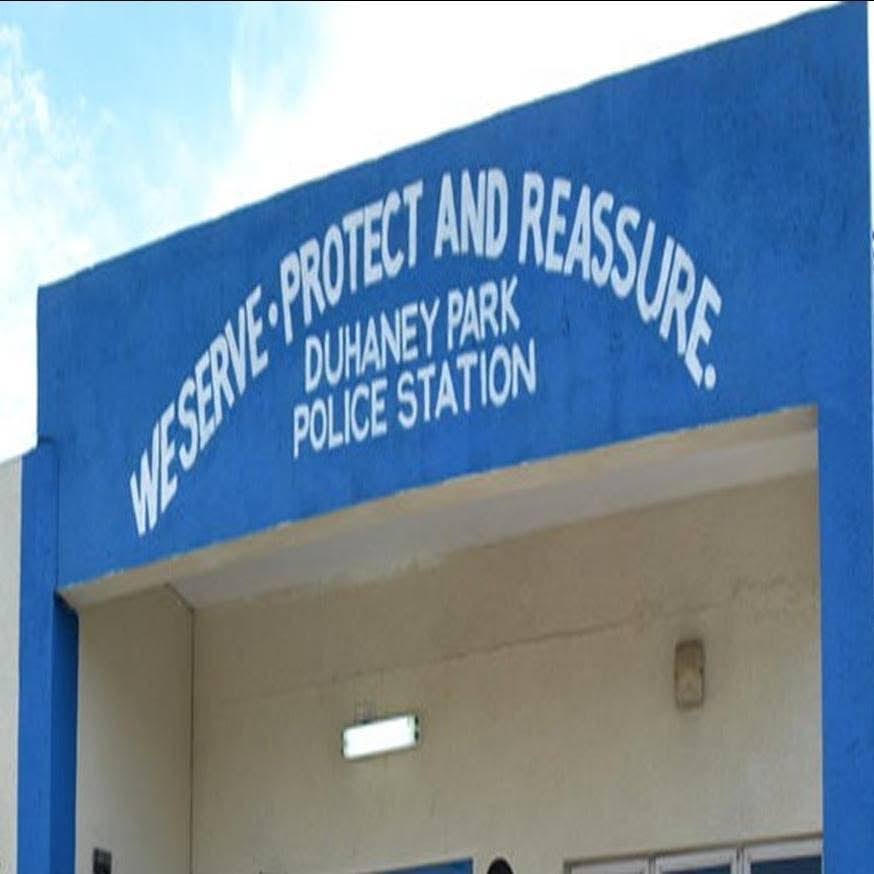
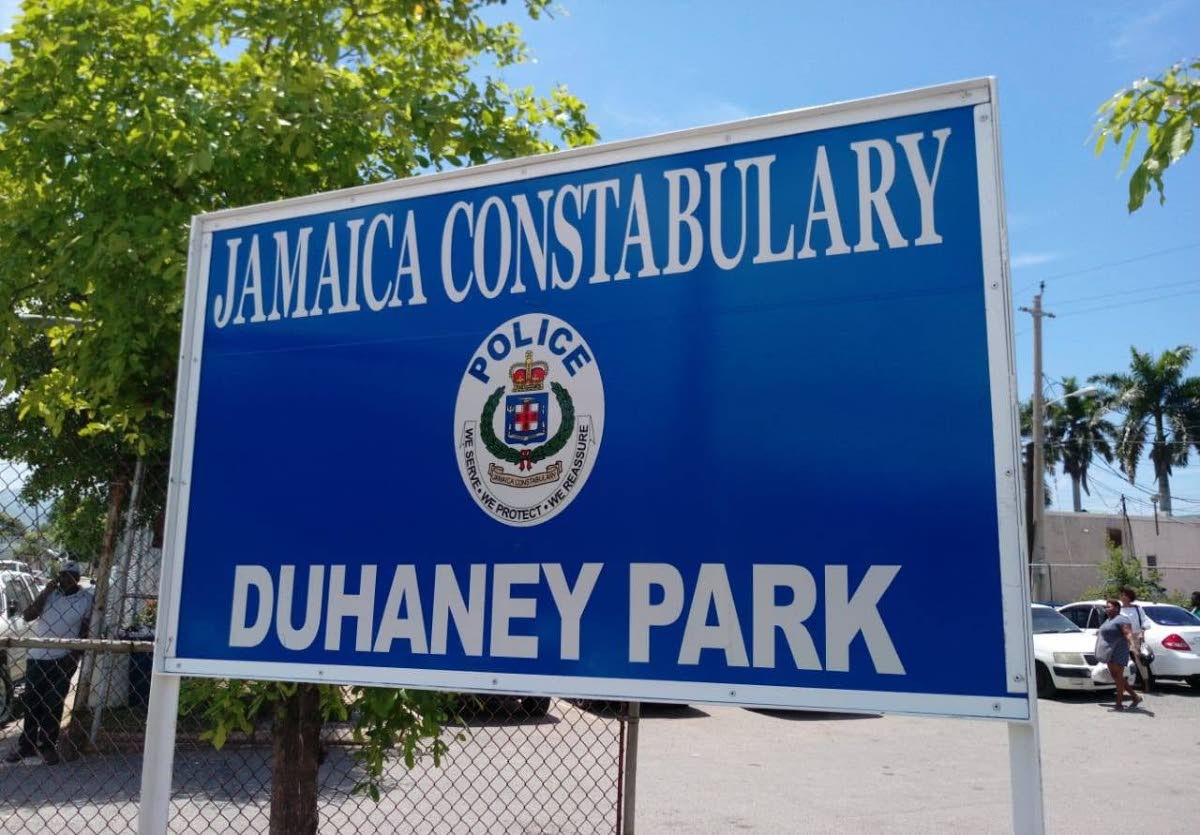 Duhaney Park Police Station.
-

-
-

-

-
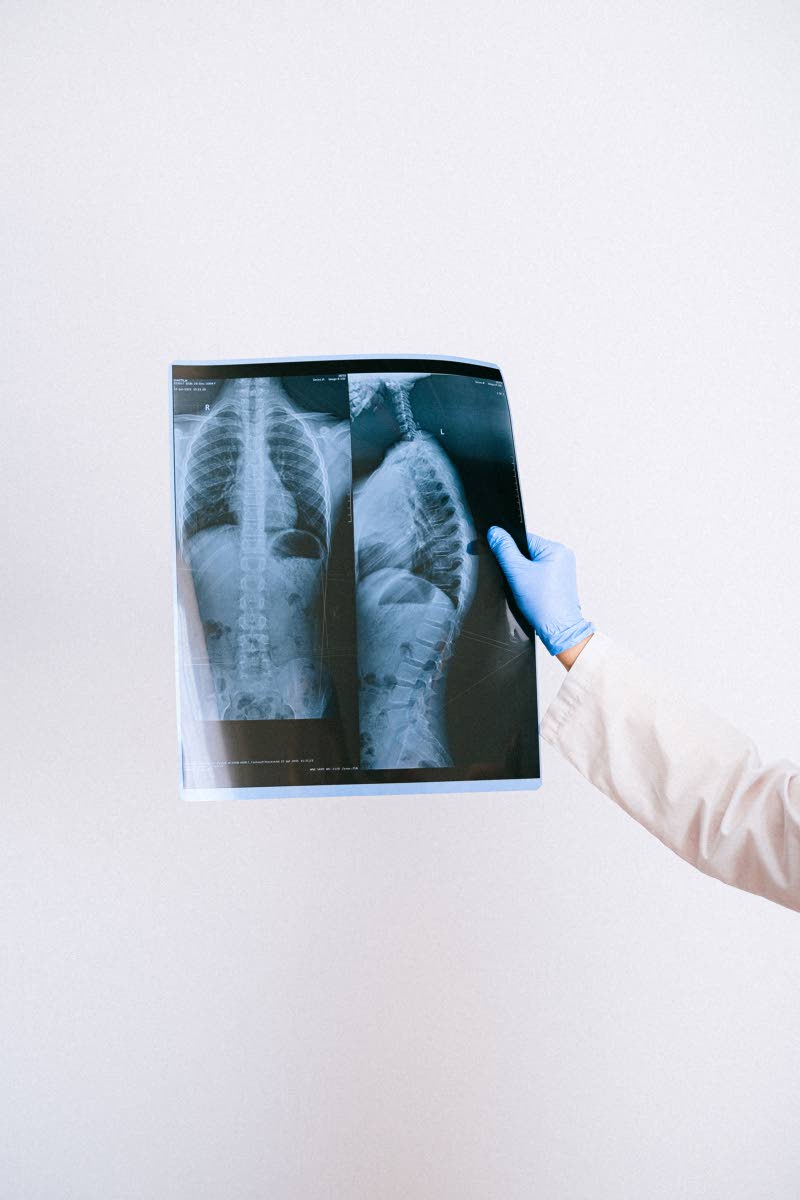
Two persons arrested and charged, and who were being housed at the Duhaney Park Police Station lock-up, are suspected to have died from tuberculosis (TB) within 15 days of each other after being admitted to the Kingston Public Hospital (KPH).
One of the incarcerated men died within 15 minutes of being taken to the hospital in late August, while the other died on September 5, The Sunday Gleaner has learned.
Two others were admitted with suspected TB, along with other ailments, last Wednesday night. While a bed was found for one on Ward 3 East, the other had been left in a wheelchair on another ward.
On Thursday, medical sources told The Sunday Gleaner that “almost every day police officials from Duhaney Park are at KPH with very sick persons from the lock-up”.
“When we made enquiries of the police officials, we were told that, when it’s not KPH they are coming, it’s to a nearby clinic. When it’s not TB, its scabies, and others with body parts so badly infected and swollen that the dead flesh is being cut off ...” one of the sources told The Sunday Gleaner.
“I am told that a man currently in the lock-up is likely to lose his foot because, when he was last taken to the clinic, the doctor said it did not look good and, when the rotten flesh was cut away, the bone was seen. Another one had a swollen finger almost four times his other fingers and was admitted in hospital for a week,” a senior medical staffer told The Sunday Gleaner on Thursday.
The two persons from the lock-up who were admitted on Wednesday night were reportedly suffering from scabies, and three were to be taken to the National Chest Hospital on Thursday.
The Sunday Gleaner understands that, in the first week of September, the Duhaney Park lock-up was housing 80 detainees
All 80 were males, though the lock-up has historically been the location where exclusively female detainees are held, with a maximum capacity of 12.
The 80 detainees were reduced by two last Monday, with a further three to be sent to the National Chest Hospital on doctors’ instructions.
The Sunday Gleaner was told that any search of records at the station will show that police personnel have been “judicious” in noting that the facility is overcrowded.
In October last year, the Police Civilian Oversight Authority (PCOA) highlighted what it called “overcrowding problems and a deplorable state of affairs at five of the largest lock-ups in the Area Four policing region”, including Duhaney Park.
Nine deaths in police custody
The Independent Commission of Investigations (INDECOM), to which all deaths in custody must be reported, said Friday that it was currently investigating nine deaths in police custody so far this year.
Its communications director, Denyelle Anderson, said deaths are reported immediately to the body. She confirmed that it was investigating at least one case from the Duhaney Park lock-up, reported on September 7, involving a man taken into custody on August 25. He died the same day he was taken to hospital.
The two deaths reported to The Sunday Gleaner are in addition to two persons who died while incarcerated at the Hunts Bay lock-up between 2024 and 2026. Additionally, 31 other cases of TB were reported during the same period, and the Ministry of Health and Wellness said it was gravely concerned about the situation there.
Tamika Harris, president of the Advocates Association of Jamaica, said reports of TB and overcrowding in detention facilities are of deep concern.
“The reports of tuberculosis and overcrowding in our detention facilities represent an active public health emergency that extends far beyond prison walls into our broader communities,” Harris said on Friday.
“When the State deprives individuals of their liberty, especially those presumed innocent, it carries an absolute constitutional duty of care to protect their basic health and safety.”
Harris said the situation warrants an examination of the mandatory minimum sentences and the call by Chief Justice Bryan Sykes for legislators to deal with judge-only trials.
“Mandatory minimum sentences must also be examined. Where there is little meaningful benefit to pleading guilty, more matters proceed to trial, adding to court backlogs and potentially extending the time persons remain on remand. The chief justice’s call for greater use of judge-alone trials may assist with reducing delays, where that mode of trial is freely elected, but it cannot be the only solution,” she argued.
She said reform is impatient of delay.
“Bail, prolonged remand, mandatory minimum sentences, court delays, overcrowding and the resulting health risks are interconnected. We need urgent reform across the entire system, while protecting both public safety and the constitutional rights of accused persons,” she stated.
Human rights organisation Jamaicans for Justice (JFJ) said the State’s seriousness on human rights has to be questioned.
“It has failed to build new lock-ups while simultaneously passing tough-on-crime laws that keep people in detention longer. Pre-charge provisions under the Bail Act and the growing use of mandatory minimum sentences reduce the incentive to plead guilty, lengthen time spent awaiting trial, and leave lock-ups filled far beyond their intended short-term purpose ...” said Mickel Jackson, executive director of JFJ.
The issue of overcrowding
Jackson said she believed the courts might have to be asked to provide a remedy on the issue of overcrowding. She made it clear, however, that JFJ had no information that inmates were being denied medical care.
“A constitutional challenge is now necessary. It seems only a suit against the State will trigger meaningful change. Affected persons and their families should bring claims in the Constitutional Court to enforce the Charter and compel the Government to remedy conditions that turn detention itself into additional punishment,” she said.
According to her, Jamaica is due for its fifth periodic review under the International Covenant on Civil and Political Rights at the Human Rights Committee’s forthcoming session.
She said JFJ, “will flag these concerning developments in lock-up conditions, which are not new; we already raised the same issues of overcrowding, inadequate medical care and health risks during Jamaica’s recent Universal Periodic Review”.
The PCOA is the quasi-public security body that inspects the facilities and routinely flags lock-ups for operating far beyond capacity, with numbers spiking during targeted operations involving joint police and military crackdowns.
Several reviews by the PCOA cite overcrowding, pest infestation, and confirmed and suspected cases of TB.
Some of the facilities were not inspected due to other conditions.
TB is caused by a bacterium called Mycobacterium tuberculosis, and persons with active TB disease in the lungs can spread the disease when speaking, singing, talking and laughing. A person becomes infected after inhaling the droplets when the germs enter the lungs. Symptoms include a persistent cough, fever, poor appetite, and weight loss.
The health ministry indicates that Jamaica is a low-burden TB country with an incidence of less than 10 cases per 100,000 population per year.
The disease can be treated by a combination of several drugs for at least six months. In Jamaica, these drugs are provided free of cost.
The Public Health Class 1 Notifiable Disease Order of 2003 requires healthcare workers, including those in emergency departments and primary healthcare facilities, to report suspected or confirmed cases within 24 hours. Large crowds in confined spaces are rife for the spread of the disease.
The most recent data provided by the health ministry showed that two TB cases were identified at the Horizon Adult Remand Centre and one at the Tower Street Adult Correctional Centre in Kingston.
In 2025, two cases were identified at the Denham Town Police Station lock-up in Kingston, one at the Greater Portmore (100 Man) Police Station in St Catherine, three at Horizon, one at the St Catherine Adult Correctional Centre, and one at the Tower Street Adult Correctional Facility in Kingston.
Another case was confirmed at Horizon, three at Greater Portmore, and one at Denham Town, up to May 2026.
At the time, Dr Christopher Tufton, minister of health and wellness, said the issue was one of national security, public health, and institutional management. The ministry also described the Hunts Bay facility as being of grave concern.
The Ministry of National Security and Constitutional Affairs was asked last week for the islandwide data on individuals in custody who are sick and have been hospitalised, as well as a breakdown by divisions. Its communication arm indicated that the request was brought to the attention of the Jamaica Constabulary Force and that, as soon as a response was received, it would be provided. There was no further response to The Sunday Gleaner up to 6 p.m. Friday.
Last week, Juliet Cuthbert-Flynn, state minister in the national security ministry, said the Government was planning to build a $9-billion maximum-security facility to replace ageing and overcrowded facilities. That facility would house persons already convicted.
erica.virtue@gleanerjm.com