14 students left at Somerset Primary as enrolment plummets
Loading article...
-
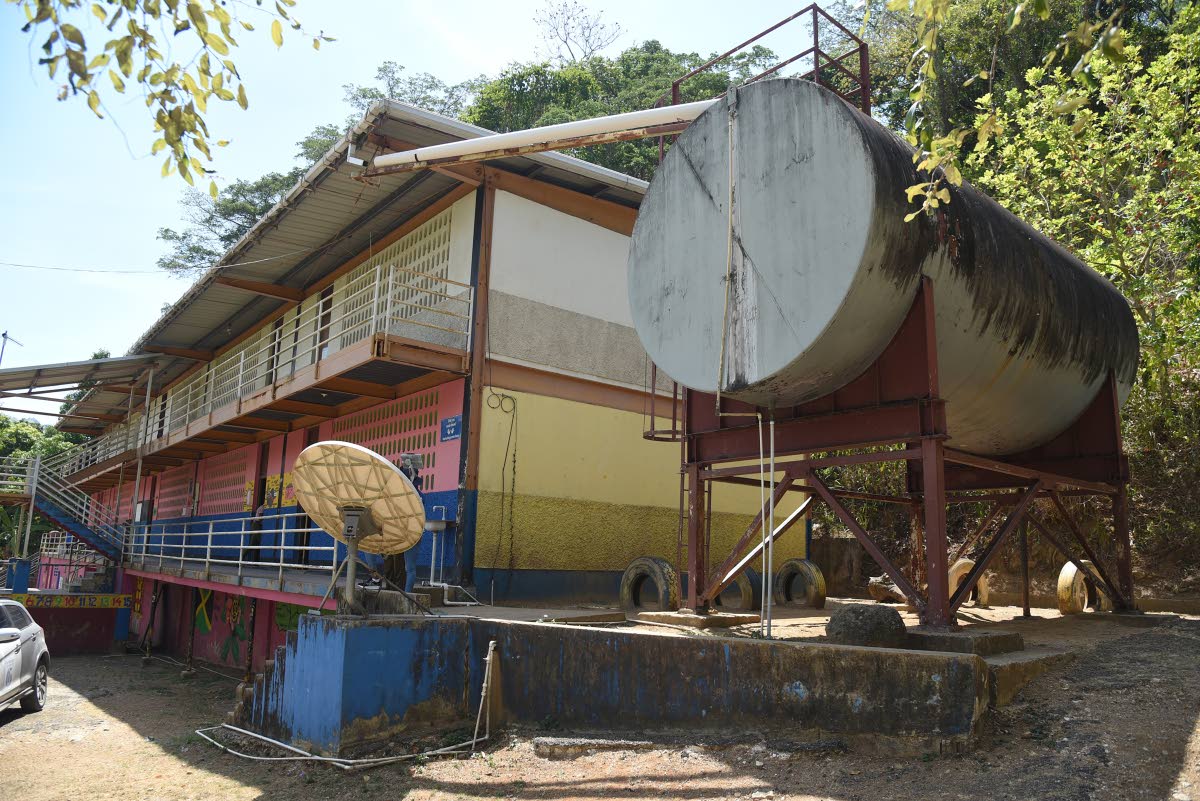 The Somerset Primary and Infant School in St Andrew has just 14 students on roll despite having the capacity for 245 pupils.
-
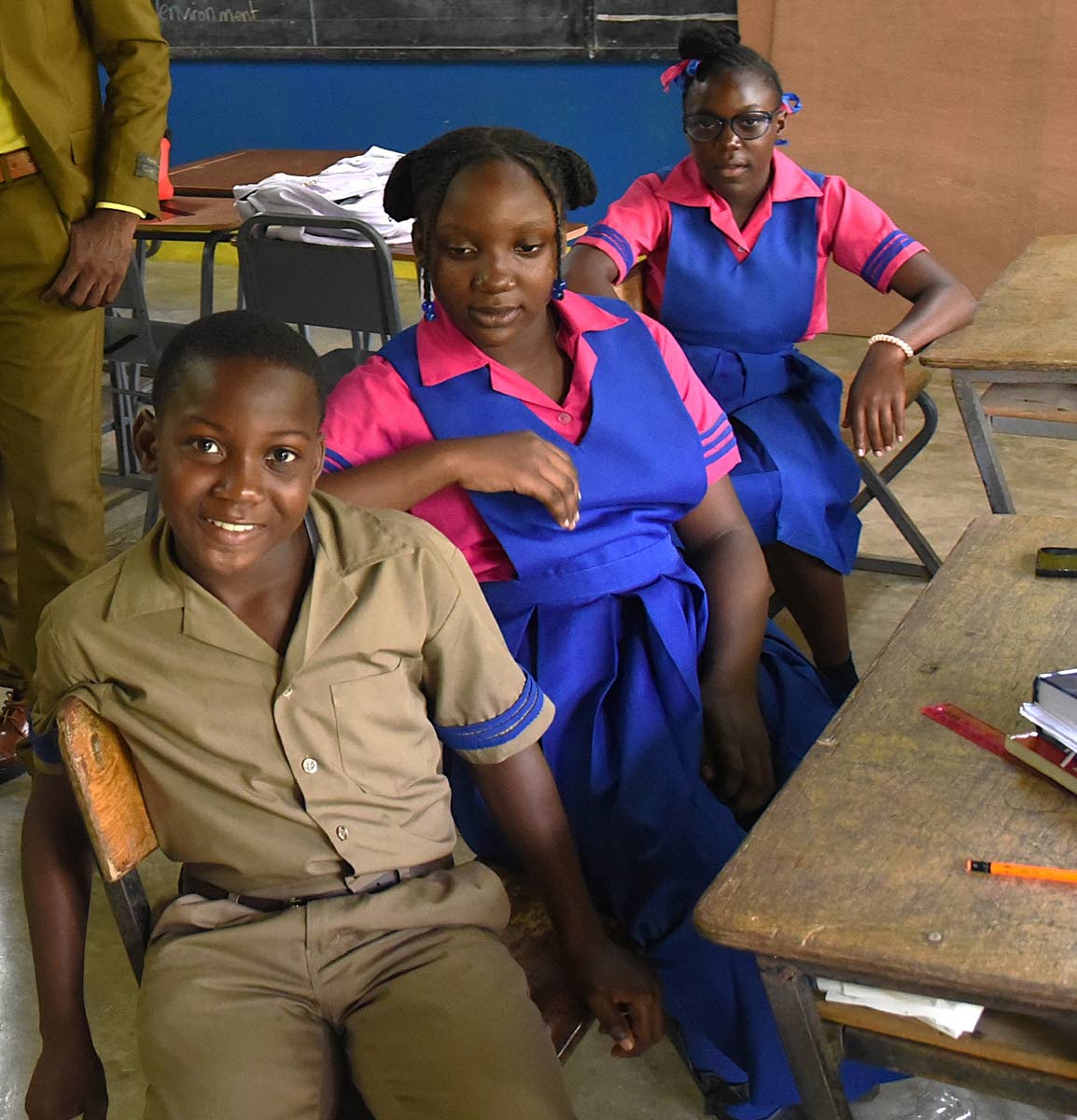 Grade six students at Somerset Primary School in St Andrew.
Somerset Primary and Infant School was void of the usual bustle and sounds that accompany a school day last Thursday, mirroring the quietness of the surrounding rural St Andrew community.
A student peeking through the gate as the Gleaner vehicle pulled up provided the only initial sign of life.
“If they see a vehicle, you see everybody peeping, even though we tell them not to do that. They tend to do that because they see a vehicle coming. They don’t see that quite often,” grade-six teacher Sherell Dixon Brown later explained.
While the school is nestled in the hills of St Andrew, accessing it requires driving along a narrow bumpy road through neighbouring St Thomas – a route administrators say is a major contributor to its declining enrollment.
Somerset Primary and Infant School, which has capacity for 245 students, is facing a dwindling population with just 14 students enrolled this year.
With an enrollment of 22, it was among the 604 out of 732 primary schools across the island operating under capacity for the 2023-2024 academic year, according to data from the education ministry.
The school’s small population has forced administrators to operate multigrades – where more than one grade level is taught in the same classroom.
Currently, grades two and three are merged, while grades one, three, five, and six are in separate classrooms. There are no students enrolled in Grade Four, and only four pupils are in the Infant Department.
“I do a lot of grouping and differentiation,” Dixon Brown told The Gleaner, explaining how she managed to teach students at different levels in the same classroom in years gone by.
A teacher at the institution for more than 30 years, she recalled a time when she taught only one grade level and the class would be packed with students from neighbouring communities.
But, for most of her recent career, she has had to adopt the multigrade system, and she admits that it can be challenging.
“Over the years, I’ve been doing grades four, five and six. That’s three classes [together] and, you know, each class has their own content. So, when you have such a class and you have students in there who can’t read, then it’s rather difficult because I have to do pull-outs and get those to read to get them up to par to be able to sit the exam,” she said.
Luckily, however, this year, she only has to focus on the grade-six cohort – a class of four students preparing to sit their final set of Primary Exit Profile exams.
ONE-ON-ONE CLASSES
“We go one-on-one and small classes, so you get a chance to go around and you know their difficulties,” she said.
This individualised learning afforded to students is a silver lining for Principal Ansley Harris, even has he contemplates and strategises on ways to increase the school’s population.
According to him, the performance of students in external exams often attracts parents to the school, but they are then deterred by the bad road conditions and the unreliable and expensive transportation.
“That’s why we have been trying to get a school bus. Once we get a school bus, we know that persons will come,” he told The Gleaner.
He said he has written to at least two embassies, seeking grants to make the purchase.
Dixon Brown, who is one of three teachers at the institution, said they sometimes have to pay up to $1,400 in fares daily.
Noting that the majority of the students at the institution are from the Somerset community, Harris, who has headed the school since 2018, said they are exposed to the full curriculum.
“We go through the same routine, do the same programme, expose them to the different areas [as other schools]. So, we don’t look at the numbers. We just provide the different programmes,” he said.
He listed participation in the Jamaica Cultural Development Commission’s festival competitions, Jamaica Day celebrations, sports day, and others, as initiatives that excite the students.
Education Minister Senator Dr Dana Morris Dixon told The Gleaner recently that the Government is exploring closing and merging more schools across Jamaica, as a means of maximising resources and infrastructure.
“We have to look at it holistically across the country. There are many schools where we have low populations, and many communities where there are less students than the school can accommodate,” she said earlier this month.
Morris Dixon did not name any school, other than those that were already being closed or merged at the start of this academic year.
Still, while he appeared dispassionate about a possible consolidation of his school, for Harris, the focus is on giving the students there the best experience possible.
“If it’s a policy, we can’t do anything about it, to be honest. We just have to think about the future and how best we can improve our circumstances and our environment,” he said.
sashana.small@gleanerjm.com