Trelawny yam farmers still struggling to rebound
Loading article...
-
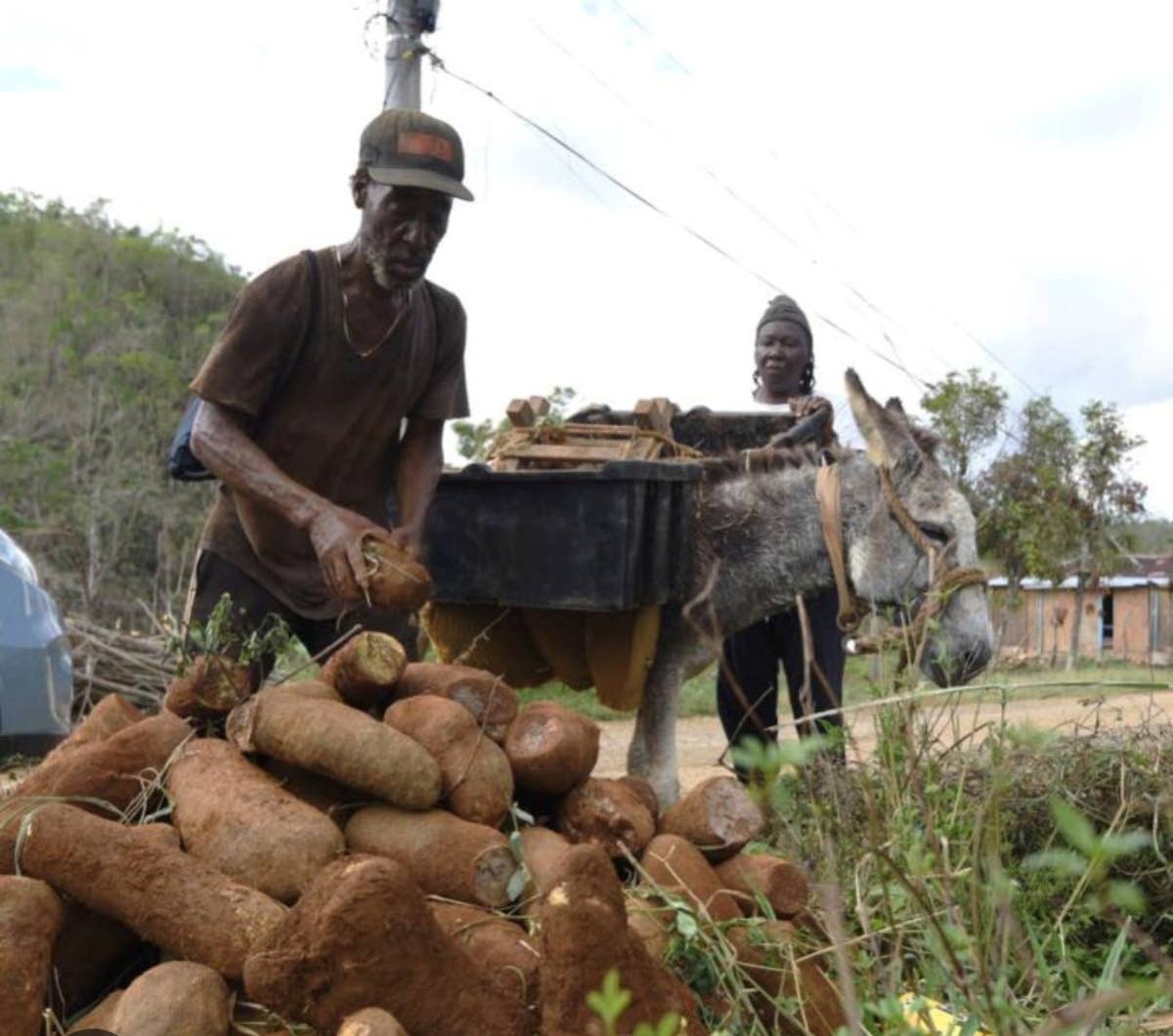 A Trelawny yam farmer making preparations to take his produce to the market. Photo - File
-
A Trelawny yam farmer making preparations to take his produce to the market. Photo - File
-
 Educator Lisa Gordon, who was educated through the proceeds of farming. Photo - Photo by Leon Jackson
-

WESTERN BUREAU:
Hurricane Melissa decimated vast acreages of yam fields in southern Trelawny last October, leaving many families facing an uncertain future. A year later, they have come to appreciate yam farming even more, hailing it as not just a way of life, but the lifeblood of their communities.
“The hurricane has given us a greater appreciation of the importance of yam farming to this section of Trelawny, as the damage caused a sustained period of hardship, as we had basically lost our main source of income,” Norman Frater, whose history in farming spans several generations, told The Gleaner. “Yam is the lifeblood of south Trelawny and the hurricane proved that.”
Based on government data, yam is the largest earner of foreign exchange among agricultural products, generating as much as US$42 million in 2022. Traditionally, the farmers of south Trelawny generate 70 per cent of export total.
Deemed ‘yam county’ because of the amount of yellow yam it produces, southern Trelawny districts such as Sawyers, Warsop, Thompson Town and Wire Fence were among the areas that buckled under the devastating winds and torrential rain that accompanied the Category 5 hurricane.
Lisa Gordon, a teacher from Carterwood in Thompson Town, grew up seeing her father leaving out early in the mornings, heading to his yam farm – a tradition in the rural community.
“Almost every home in my district has a yam farmer. Yam was responsible for sending me and my siblings to school and building our home. The whole of south Trelawny is full of resilient farmers,” said Gordon.
“The day after Melissa, you could see from Wire Fence to Christiana [in neighbouring Manchester] because all the yam fields were flattened,” she said. “Today, a year later, the farmers have picked themselves up and are planting yams again. This shows how resilient these farmers are, both men and women.”
Gordon recalled that no farmer was spared Melissa’s wrath.
“It resulted in a scarcity of yams, which resulted in yam price ballooning up to $600 per pound,” she said. “It also caused a dip in our export, as our output fell from 70 per cent of the nation’s export to 40 per cent.”
The Government estimates that the hurricane dealt a devastating blow to the agricultural sector, with losses estimated at between $29.5 billion and $35.26 billion, especially in St Elizabeth and Trelawny, two of the premier food-producing areas.
While the recovery, especially as it relates to export, is not back where it was pre-Melissa, optimism is high in the various communities. Each new day brings new hope.
“There is a bit more yam available to sell to vendors, so the price per pound has come down,” said Althea Pryce, a yam farmer for more than 30 years. “Farmers are now replanting. So, soon, our export figures will rise again.”
Recounting her personal experience with Melissa, Pryce said what she saw the morning after the hurricane broke her heart.
“When I went to my farm, everything was flat,” she said. “I know nothing else but the planting of yams, so it was a major blow. I am having a difficulty getting yam heads to replant but I am not giving up.”
Audley Gager, one of the largest yam farmers in south Trelawny, who pre-Melissa would regularly plant 10,000 hills of yams annually and was a major supplier to both local vendors and the export market, is currently struggling to regroup.
“There is a scarcity of yam heads,” he told The Gleaner. “I have travelled all around looking for yam heads but the supply is not there.”
But that is not all he is concerned about.
“There is another problem and it is the thieves. Because of the scarcity of yam heads, there is a ready market. I recently lost 200 hills to thieves,” he lamented.
Nonetheless, Gager is expecting yam farming to rebound, as it is the only skill many residents possess.
“The people know nothing else, so they have no choice but to replant. So they are busily replanting,” he said.
editorial@gleanerjm.com