No World Cup, no windfall
Loading article...
-
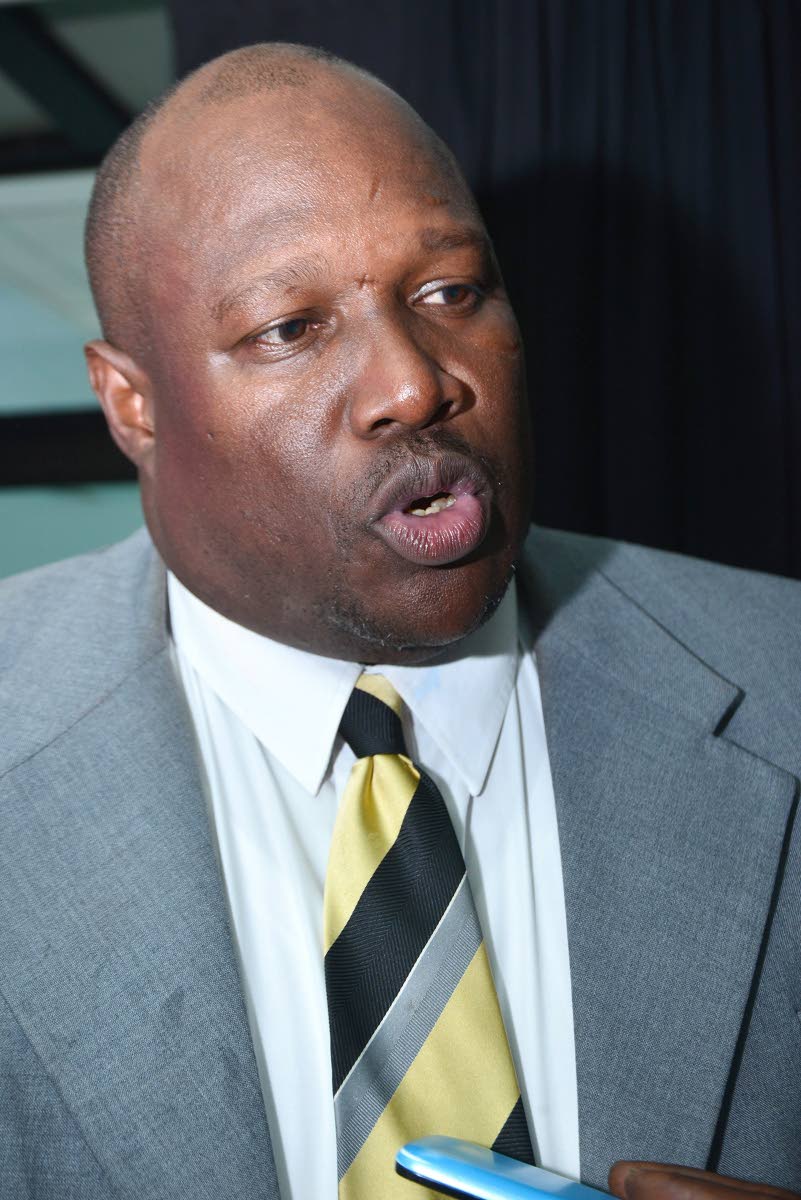 Andrew Price File
-
Andrew Price File
-
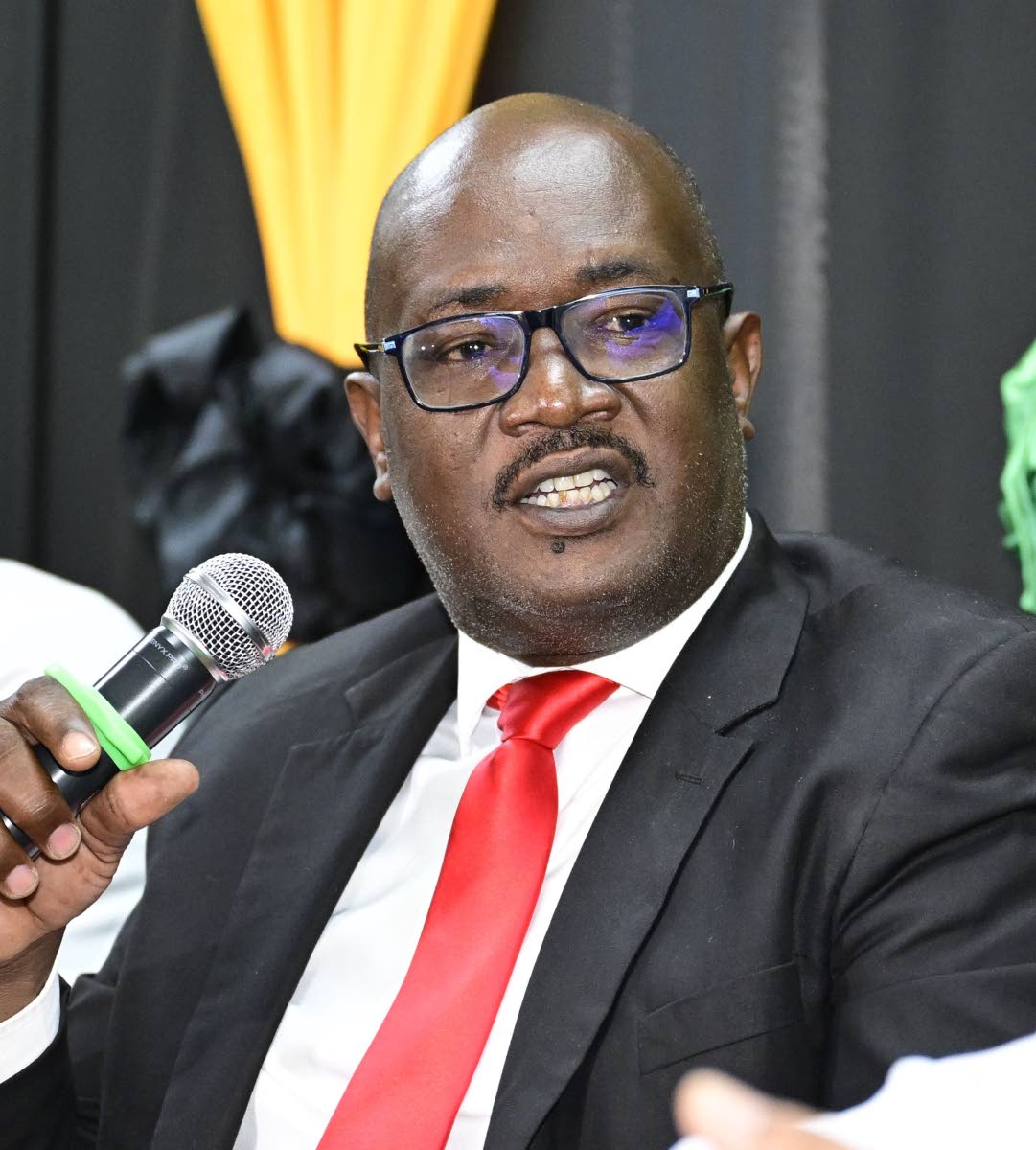 Paul Christie File
Following FIFA’s announcement that each nation will receive a minimum of US$12.5 million for qualifying for this year’s FIFA World Cup, two local stakeholders, Andrew Price and Paul Christie, said the failure to reach the showpiece will have far-reaching consequences.
FIFA’s ruling council recently agreed to increase the base payment to each federation by US$2 million, with the global governing body projecting revenues of at least US$11 billion from the tournament, which will be hosted across the United States, Canada, and Mexico, starting June 11.
Price, a former national senior women’s coach, noted that the absence of the Reggae Boyz from the global stage remained a bitter disappointment for him.
“Just the mere fact of not qualifying leaves a bitter taste in my mouth both as a fan and as a Jamaican,” Price said.
Price stated that qualification would have brought not just prestige but vital financial support to strengthen the country’s developmental football programmes.
“As FIFA continues to do well at these global World Cup tournaments, the enrichment of member nations will continue to increase, and I am sure that after this World Cup, they will increase (payouts) for the next World Cup because of the support that the World Cup gets globally,” he said. “It is part and parcel of qualifying for the World Cup so you will get the money that you need to develop your programmes.”
Looking ahead, Price is now urging the Jamaica Football Federation (JFF) to push for a renewed focus on youth development and long-term planning.
“Going forward, we have to look at development. We have to look at the future, and we have to look at players within the age group of 26-28, at the oldest, for the next World Cup. So we have to look at more younger prime players. A lot of players that participated in the last World Cup cycle will now be redundant, so we have to start looking at younger players,” he said.
Christie, sporting director of Mount Pleasant Academy, echoed similar sentiments, highlighting the significant financial and developmental implications of missing out.
“The impact is massive in the sense that this injection of money that we would have received if we had qualified for the World Cup, we know that it would have trickled down to the developmental areas of the Jamaica football brand,” he said. “We are all aware that the Jamaica Football Federation is strapped for cash, so the timing would have been perfect to improve lives and livelihood, and we have missed a big one,” Christie said.
Christie also underscored that the World Cup also provides huge exposure and opportunities for the players, which could have changed their lives forever.
“Everybody knows that the World Cup is the showpiece for players to showcase their talents, and historically, it is biggest assembly of scouts globally, and a player just needs one moment in the World Cup and his life and his situation will change forever, so it is immeasurable how adversely we have been affected and how far back our developmental programmes have been set back,” he said.
Christie also stressed the importance of unity and early preparation among stakeholders moving forward to the next World Cup campaign.
“Going forward, all the stakeholders need to be in line, going in one direction, because we need to improve our structure so that our athletes can matriculate to the senior ranks of our football. This can be done because it has been done before,” he said.
“We cannot wait until the next two years to start to identify new players. We need to start from now. So what we need to do is get a core and base and then we build around that. That is what we have been missing,” Christie said.