A century of grace
Loading article...
-
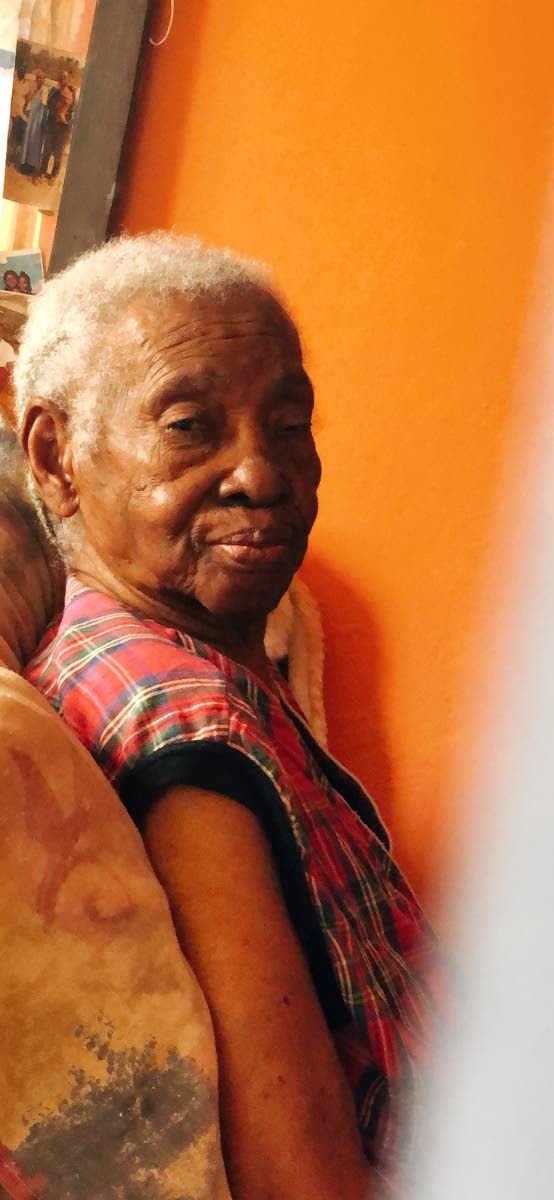 Beryl Gordon
-
Beryl Gordon
-
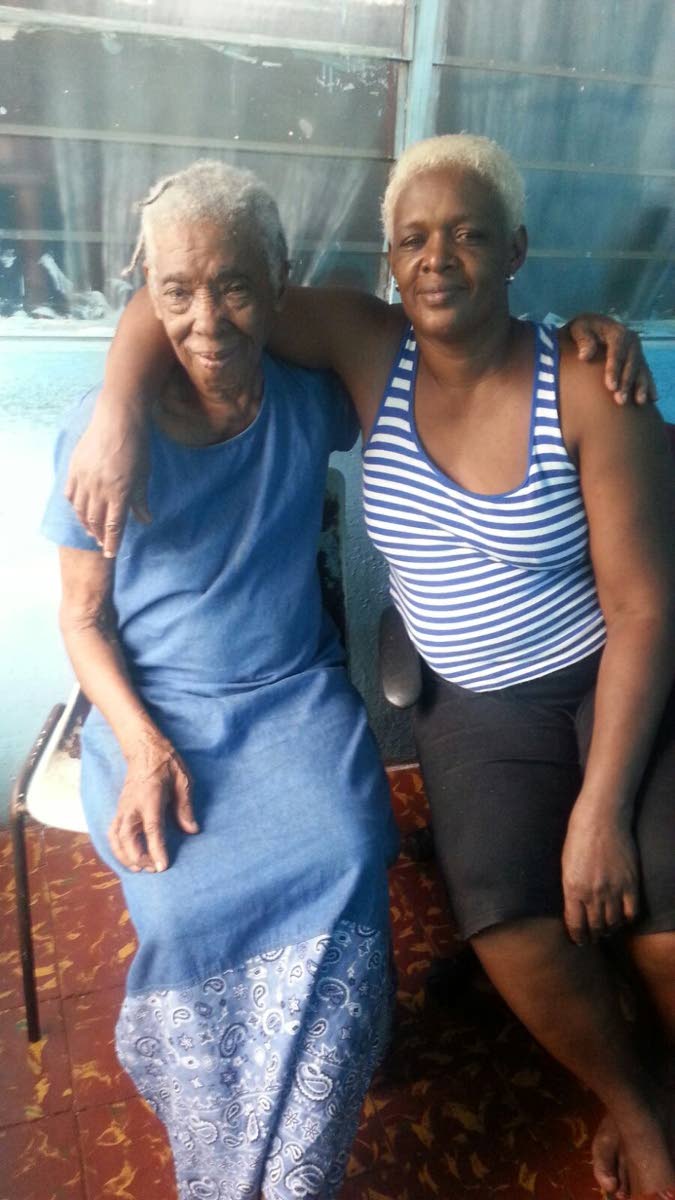 Beryl Gordon with her daughter, Joy. Photo - Contributed
-
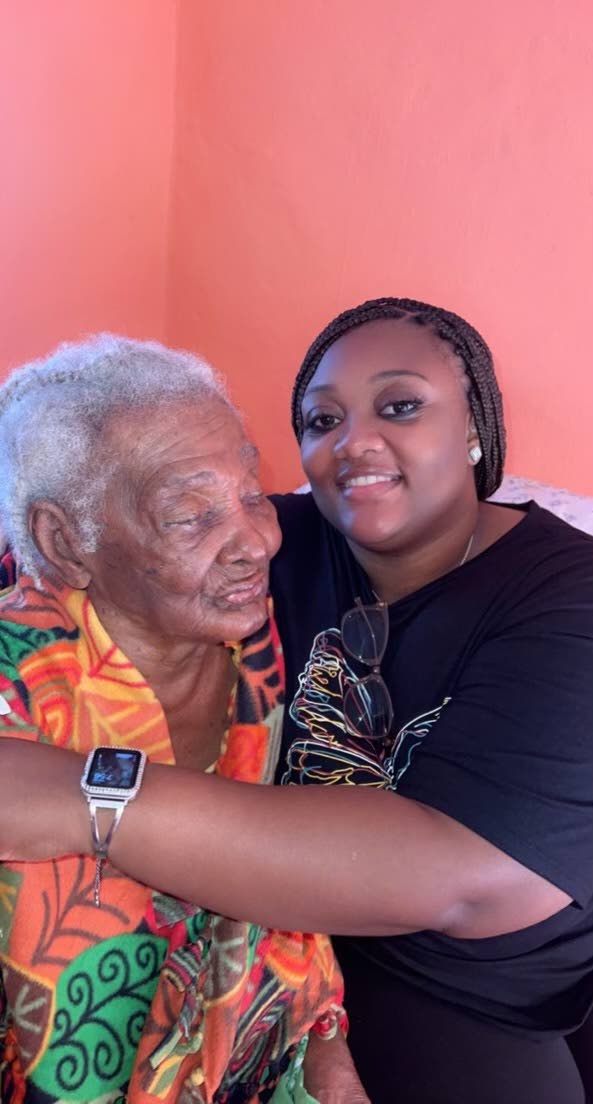 Beryl Gordon with her granddaughter Simi. Photo - Contributed
-
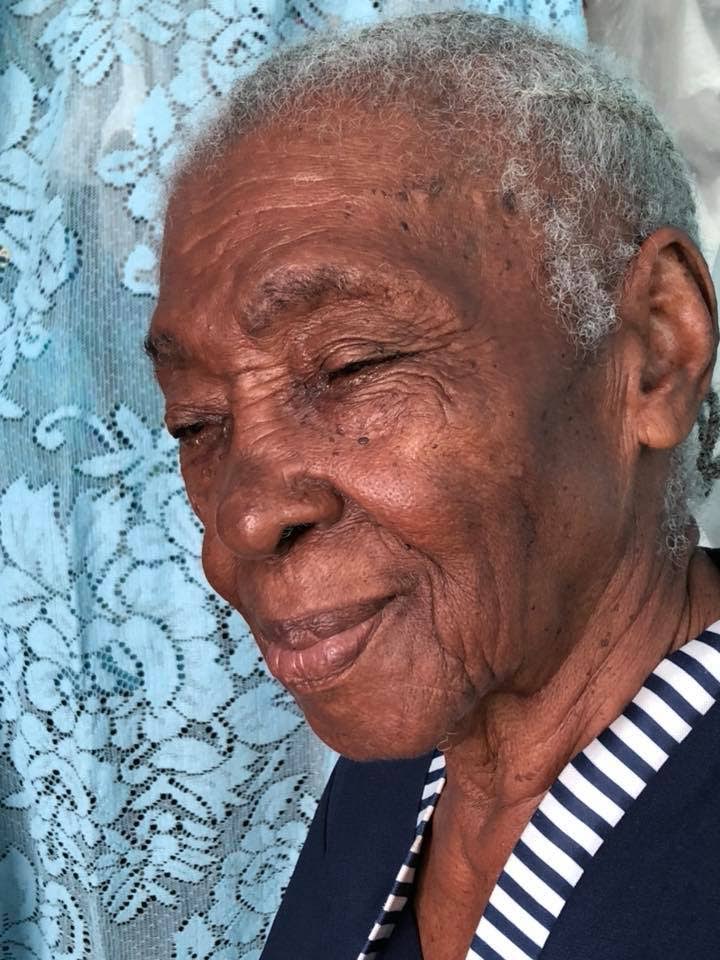 Beryl Gordon
-
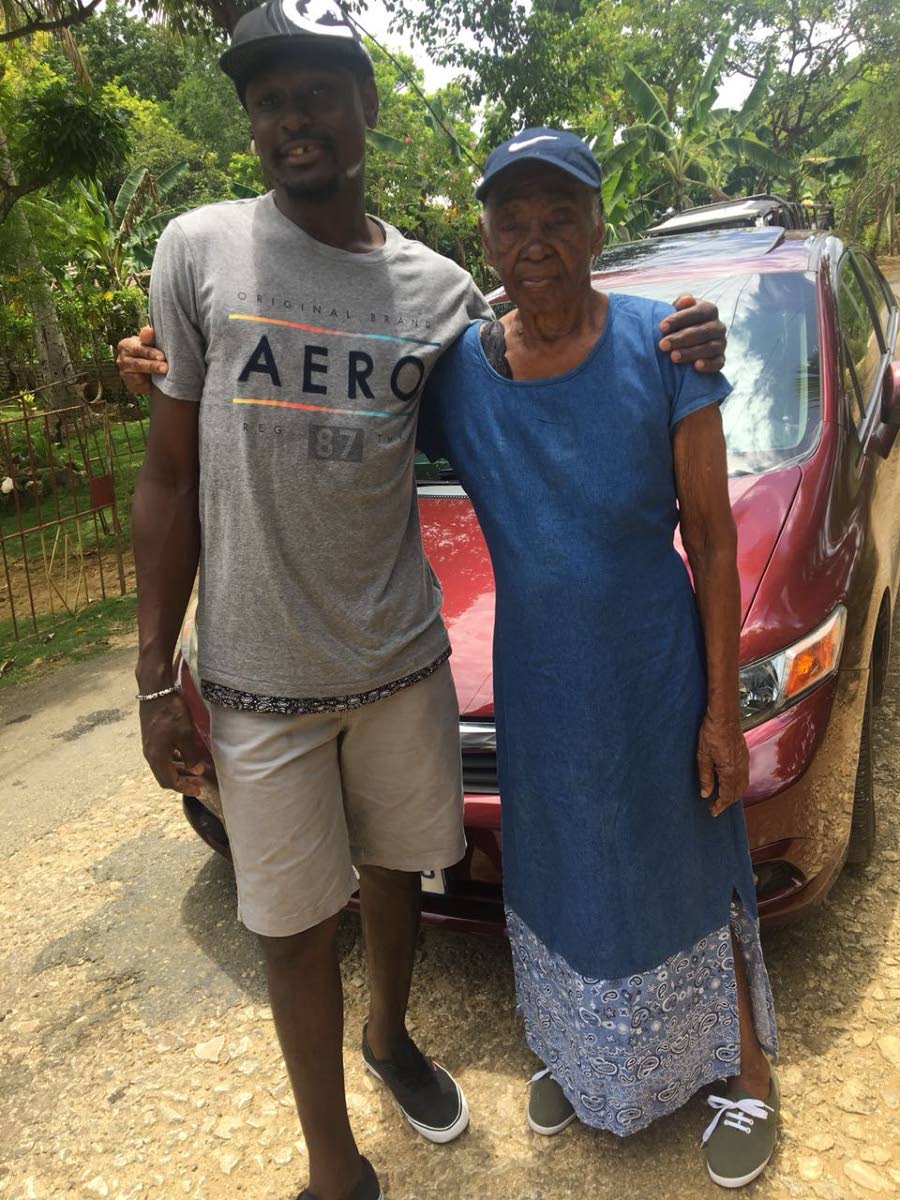 Beryl Gordon with her grandson Roj. Photo - Contributed
When Beryl Gordon was born in Armstrong, St Elizabeth, on November 17, 1926, Jamaica was still a British colony. The island had no national flag, no anthem and no Jamaican prime minister. Money was counted in pounds, shillings and pence, and life for many rural families revolved around farming, church and community.
One hundred years later, Gordon is preparing to celebrate a remarkable milestone, having lived through Jamaica’s transition to independence, the rise of reggae, the emergence of generations of political leaders and some of the island’s most defining moments.
Yet, for Gordon, the story of a century is not simply one of history witnessed. It is also one of family built, faith sustained, neighbours helped and a life lived with purpose.
“I was born in the parish of St Elizabeth when Jamaica still belonged to Britain,” she wrote in an account of her life. “This is my life, the world I came into, and the history I lived long enough to see.”
Gordon was one of eight children born to her parents. Today, she says, only she and her youngest brother remain alive. Even after all these years, neither can say with certainty where she falls in the birth order.
But there is no uncertainty about the family she went on to create.
She had seven children with her husband, Alfred Gordon, whom she met at a dance in Armstrong. A woman who loved to dance, she found companionship with a farmer whose life was rooted in the same soil that sustained much of rural St Elizabeth.
Together, they worked the land, and Gordon made sharing its produce part of her way of life.
“I’d bring yam and other ground provisions and give them to my neighbours. That’s how we should all live together,” she recalled.
Alfred died in December 2008, ending their years together, but the family and community ties they helped establish remain central to Gordon’s story.
A woman of many talents
Farming was not her only work. Gordon also ran a small vending enterprise, balancing a tray on her head as she carried goods to sell at primary and secondary schools.
The assortment included cheese trix, drops, grater cake, mint, books, pencils and other items. She was a businesswoman, but generosity was never far from the transactions.
She gave away many of her goods, guided by a simple principle that still captures her approach to life.
“As yu eat it, yu pass it out.”
That instinct to share extended beyond her business. Gordon has long been devoted to her church and community, with Balaclava Baptist Church serving as her spiritual home.
For her church sister, Ms Laing, Gordon represents a life shaped by faith and devotion to God.
“Beryl Gordon, a true picture of Grace and a life dedicated to God in Faith and lived to honour God,” Laing wrote, citing Psalm 91:16: “With long life will I satisfy her and show her my salvation.”
Gordon’s faith, she added, has inspired her to persevere through difficult times.
For Gordon, faith is not separate from the everyday pleasures that have helped define her life. She loves to bake, preparing pudding, toto and blue draws. She also makes bammy from scratch, grating cassava and doing the work herself with a mortar.
Her favourite colour is yellow, and her favourite song is Dare Not Walk Alone.
And then there is her characteristic expression, “cakafaat!”, a word that family members and others who spend time with her are likely to hear sooner or later.
A family too large to count
Gordon’s legacy is measured not only in years but also in generations.
She has seven children and so many grandchildren and great-grandchildren that she has lost count.
“I lost count of my grandchildren and great-grandchildren. But I have my favourite granddaughter. She knows who she is,” she said.
Her daughter, Joy, remembers her mother’s distinctive preferences, including her refusal to eat Easter bun during the Easter season.
Instead, Gordon would toast corn dumpling on the fireside, serving it with cheese and a cup of coffee.
She would declare: “Nutten nice suh.”
Joy also recalls her mother’s love of beef, buying generous quantities whenever she went shopping and preparing it in different ways.
For granddaughter Nikki, Gordon is a source of strength and inspiration.
“Mama is my favorite person. She shows true strength in all she does and says. She’s gritty, feisty, loves hard, genuine: all traits I hope to one day honor,” Nikki wrote in a tribute marking the milestone.
“Happy 100th birthday, Mama.”
From colonial Jamaica to a nation transformed
Gordon’s lifetime has unfolded alongside some of the most consequential changes in Jamaica’s history.
When she was born in 1926, political power was concentrated among a small section of the population, and voting rights were restricted. Radio broadcasting had not yet begun locally, television was decades away, and news travelled through newspapers, churches and word of mouth.
She was 11 when the labour unrest of 1938 helped reshape Jamaican politics, and 12 when the People’s National Party was founded. She was 16 when the Jamaica Labour Party was established in 1943.
Universal adult suffrage arrived in 1944, when Gordon was 18, although the voting age was then 21.
She was 35 when Jamaica gained independence on August 6, 1962, bringing a national flag and anthem and a new chapter in the island’s political life.
In the years that followed, she witnessed the growth of reggae into a global cultural force, the introduction of dollars and cents, the achievements of the Reggae Boyz at the 1998 World Cup and Jamaica’s emergence as a powerhouse in international sprinting.
She also lived through devastating natural disasters, including Hurricane Gilbert in 1988, which battered St Elizabeth and other parishes.
More recently, Hurricane Melissa struck in October 2025, again placing her home parish among the areas hardest hit.
For Gordon, the experience of living through a century of change has brought Jamaica’s progress into sharp focus. The country she knew as a child under British rule is vastly different from the independent nation she sees today.
But the values that sustained her through those changes — faith, hard work, family and generosity — remain constants.
Still standing at 100
Gordon’s approach to life is perhaps best understood through the small details that her family remembers: the food she prepares, the goods she shared, the song she loves and the church community to which she has devoted herself.
These are the everyday acts through which a long life acquires meaning, creating memories that stretch well beyond the person at their centre.
On November 17, Gordon will turn 100, joining the ranks of Jamaica’s centenarians with a story that connects the island’s colonial past to its present.
Born in a time when Jamaica belonged to Britain, she has lived to see it become an independent nation with a distinctive identity and global cultural influence.
Her journey has included love and loss, work and service, motherhood and the growth of a family too large to count.
And as she approaches her hundredth birthday, Gordon remains a woman whose own words capture the resilience of a life fully lived:
“Born in a colony, and here I am a century later, still standing.”
editorial@gleanerjm.com