Black River market vendors in limbo
Loading article...
-
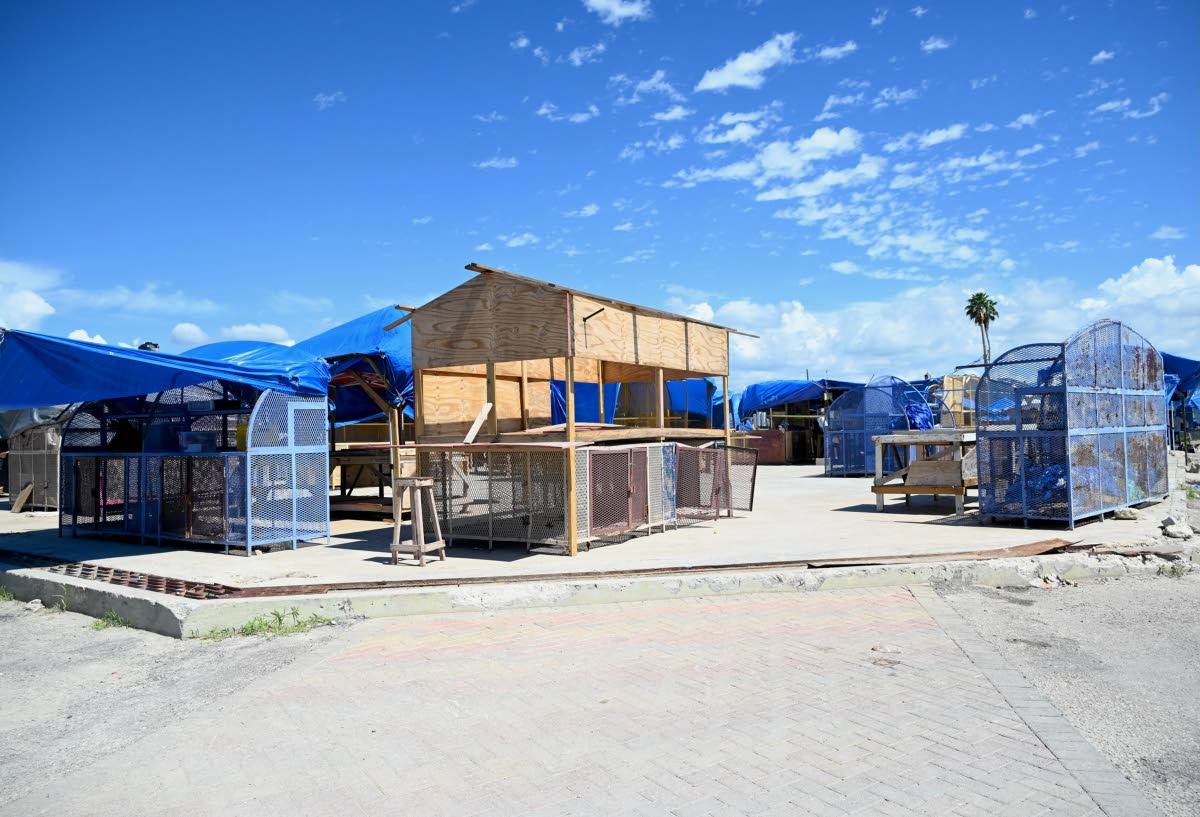 A section of the ruined Black River Market on Market Street in the St Elizabeth capital, after Hurricane Melissa’s destructive landfall. Photo - Ashley Anguin/Photographer
-
A section of the ruined Black River Market on Market Street in the St Elizabeth capital, after Hurricane Melissa’s destructive landfall. Photo - Ashley Anguin/Photographer
-
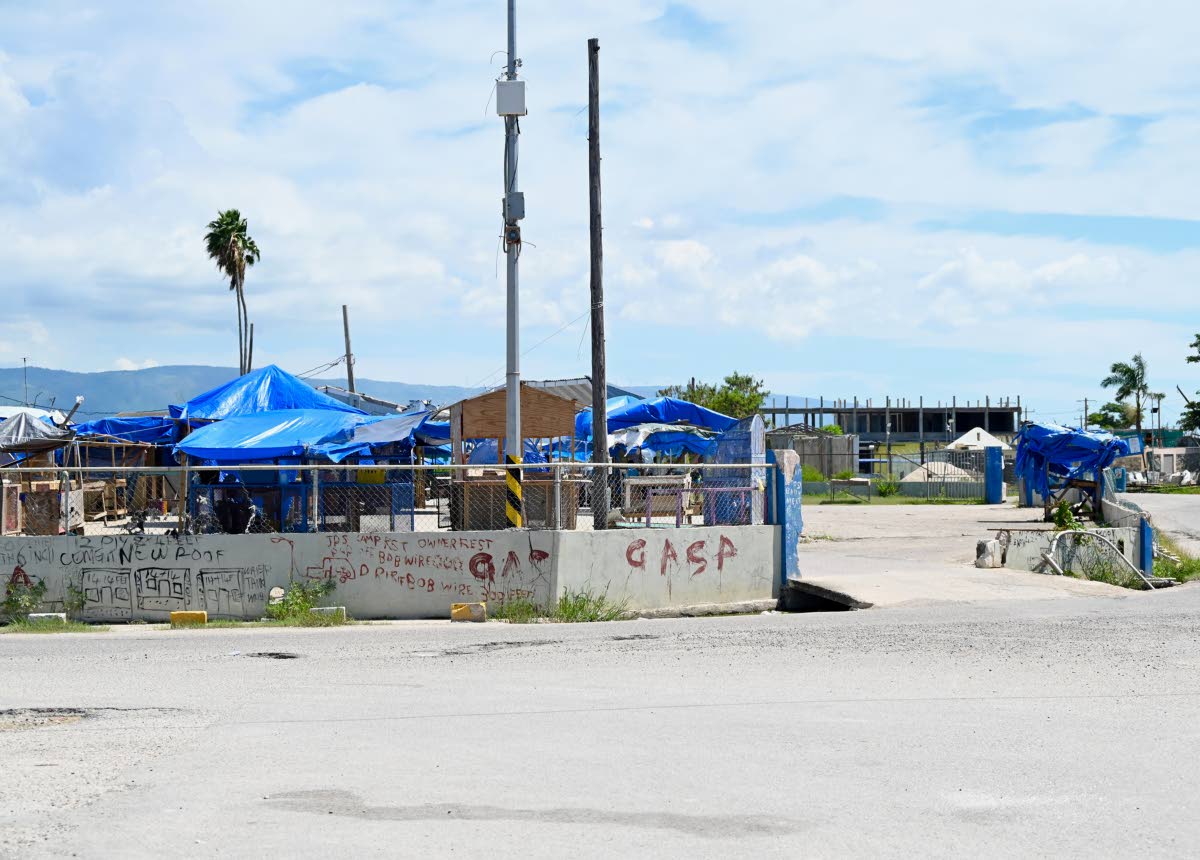 The Black River Market in St Elizabeth. Photo - Ashley Anguin/Photographer
-
 Charles Burnett said rebuilding his livelihood has been difficult. Photo - Ashley Anguin/Photographer
-

-
 Francis Bartlett lost all her stock when the hurricane ravaged the Black River Market a year ago. Photo - Aahley Anguin/Photographer
WESTERN BUREAU:
As Hurricane Melissa approached the island a year ago, Francis Bartlett and fellow vendors in the Black River Market in St Elizabeth purchased extra stock, in case fields were wiped out and produce became scarce.
That gamble yielded no good results, as their stalls were destroyed. Bartlett recalled that the Category 5 system wiped out the business she had spent years building.
“We bought an extra amount of goods that, if the storm come and most places get damaged, then we have little load and can get some money,” she told The Gleaner last week.
Bartlett said she and other vendors have received no meaningful assistance to replace their stock, despite years of vending at the facility, and that they had been paying monthly market fees of between $4,000 and $5,000 when disaster struck.
“We bought more loads – fruits, vegetables and ground provisions – and left some in the stall and, to my surprise, the hurricane came and the market went down. Everything mash up and we get no help at all from nobody. Not even zinc we get for what happened here,” she lamented.
The Black River Market structure was dismantled piece by piece after being reduced to twisted metal and debris. Major rebuilding or full restoration of the market itself has faced delays and a slow pace of recovery. Officials like Local Government and Community Development Minister Desmond McKenzie and Black River Mayor Richard Solomon have evaluated the site, but long-term redevelopment plans remain in limbo amid discussions on coastal resilience, flood risks, and whether certain commercial or market structures need relocation.
Bartlett, who lives in Spice Grove in Parottee, St Elizabeth, recalled being rescued with her husband as floodwaters threatened their home. She said people used ropes to help them escape the dangerous conditions.
Following that terrifying experience, Bartlett was so badly traumatised that she stayed away from vending for some six weeks.
When she eventually returned to vending, there was little to resume with. She subsequently joined other traders selling along the roadside before the relocation order.
Bartlett lamented the conditions under which vendors are now expected to operate, particularly when heavy rainfall results in the flooding of the market entrance. There is also no overhead covering to shield them from the elements.
She also bemoaned the lack of assistance for traders whose businesses had been destroyed.
Another vendor, Charles Burnett, who sold ground provisions, including yams, sweet potatoes, Irish potatoes, ginger and garlic, said he, too, suffered significant losses.
Although he has managed to resume selling some produce, he acknowledged that business remains difficult.
“The storm come and destroy everything. Nothing I don’t get back,” Burnett told The Gleaner. “Nobody from the parish council even come and say you can get back something out of what you lose.”
Nonetheless, he was thankful for life and sustenance.
“We give thanks to God. You can find a little food and, you know,” Burnett said as he reflected.
Seventy-five-year-old Maurice Vassell, who has been vending at the market for decades, said the loss of stock and equipment all but crippled his trade.
He is gradually rebuilding his business by purchasing fresh produce and reinvesting. However, he said the movement of vendors from the roadside to the market grounds has affected customer traffic and reduced sales.
“I have started all over from scratch. I buy my stuff at New Market and start to sell little stuff, but it is taking time to build back myself,” he said.
Like Bartlett, Vassell said that since being asked to leave the street, sales have not been great, as the vendors face competition from vendors who have defied the order to get off the streets.
“Now, the only way people come in here to buy is if they can’t find what they want on the road. So we lose a lot of customers,” he said.
albert.ferguson@gleanerjm.com