Parottee residents unwilling to trade coastal roots for safer ground
Loading article...
-
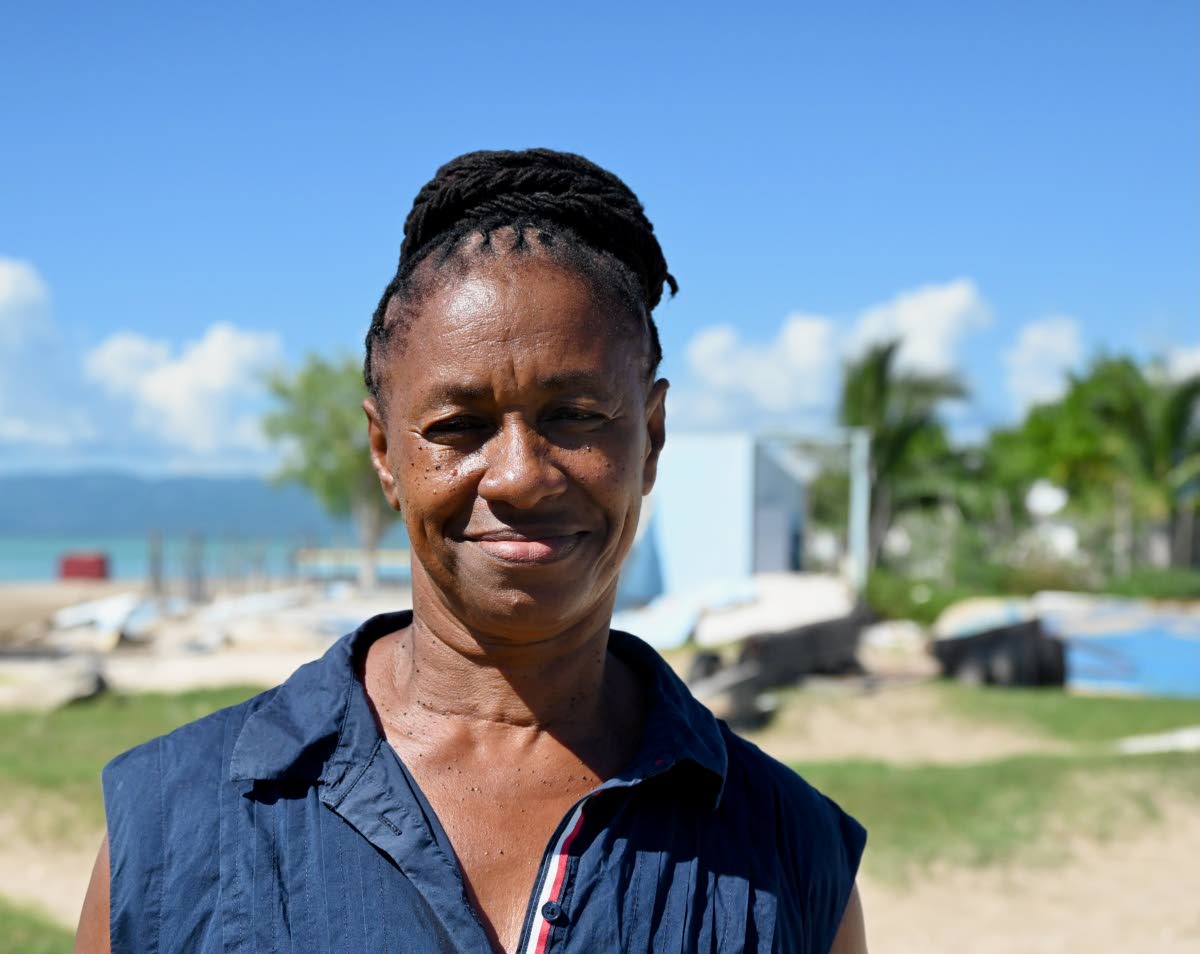 Fish vendor Sandra Linton-Jones is not willing to move far from the sea. Photo - Ashley Anguin/Photographer
-
Fish vendor Sandra Linton-Jones is not willing to move far from the sea. Photo - Ashley Anguin/Photographer
-
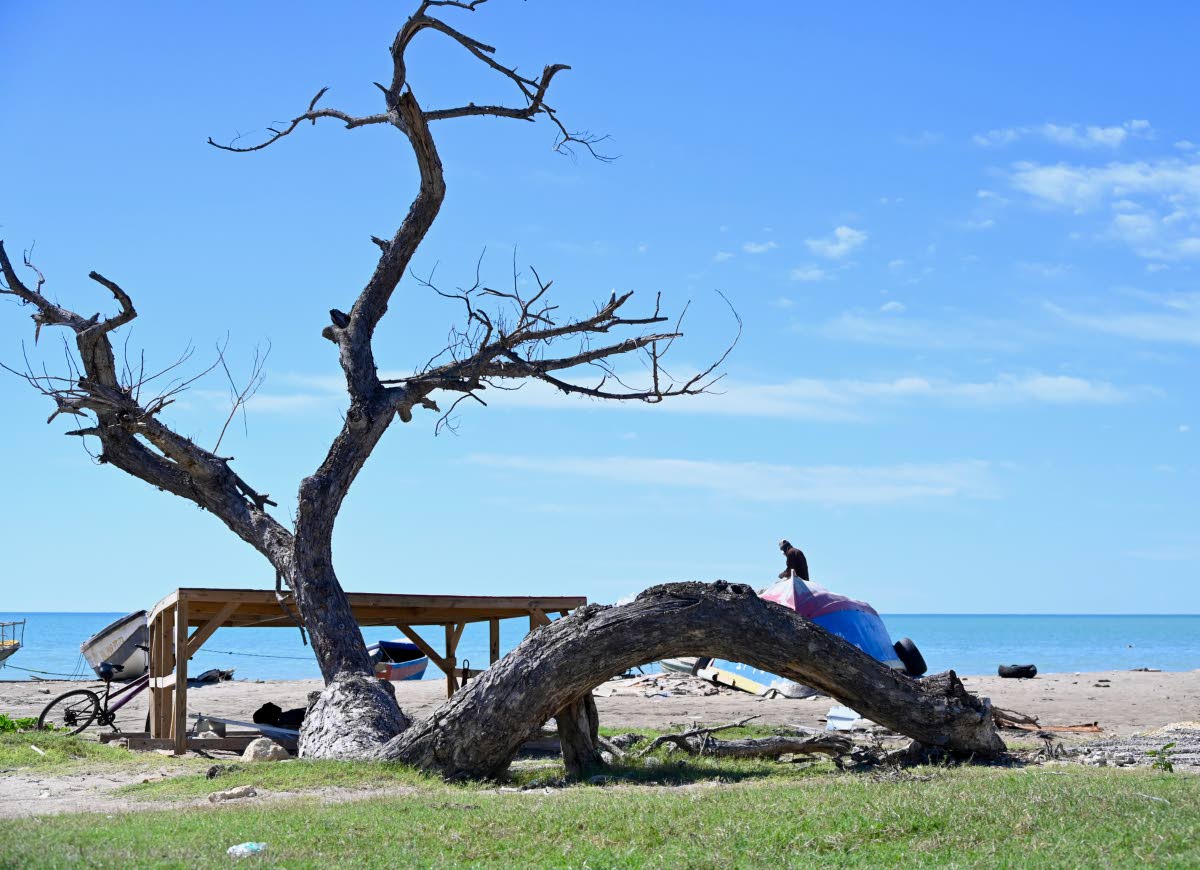 A section of the beach in the Parottee, St Elizabeth, one year following Hurricane Melissa’s destructive landfall. Photo - Ashley Anguin/Photographer
-
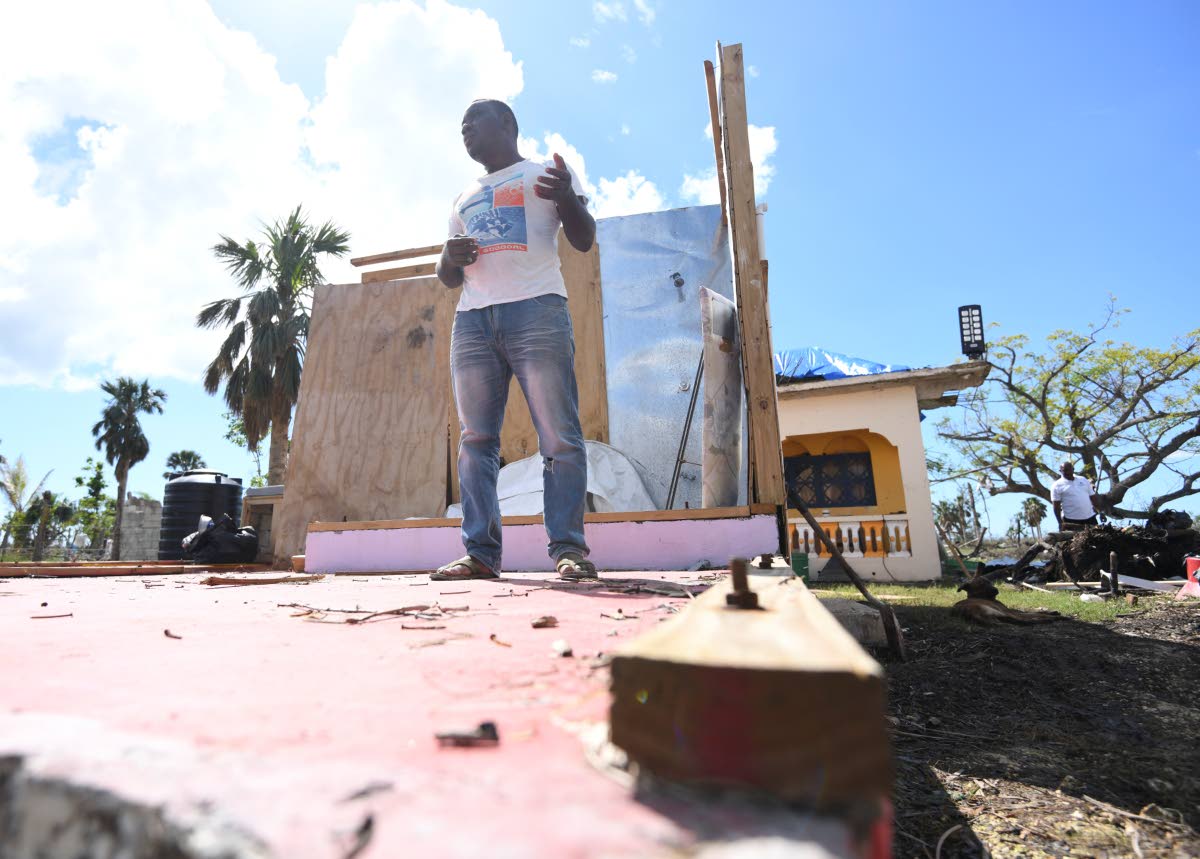 Parottee resident Owen Smith stands on the foundation of his wrecked home in Parottee, St Elizabeth, in January, just over two months after Hurricane Melissa ravaged his community. He had previously lost his home to Hurricane Beryl in 2024. The Government is encouraging residents to relocate from the vulnerable community. Photo - Antoine Lodge/Photographer
-
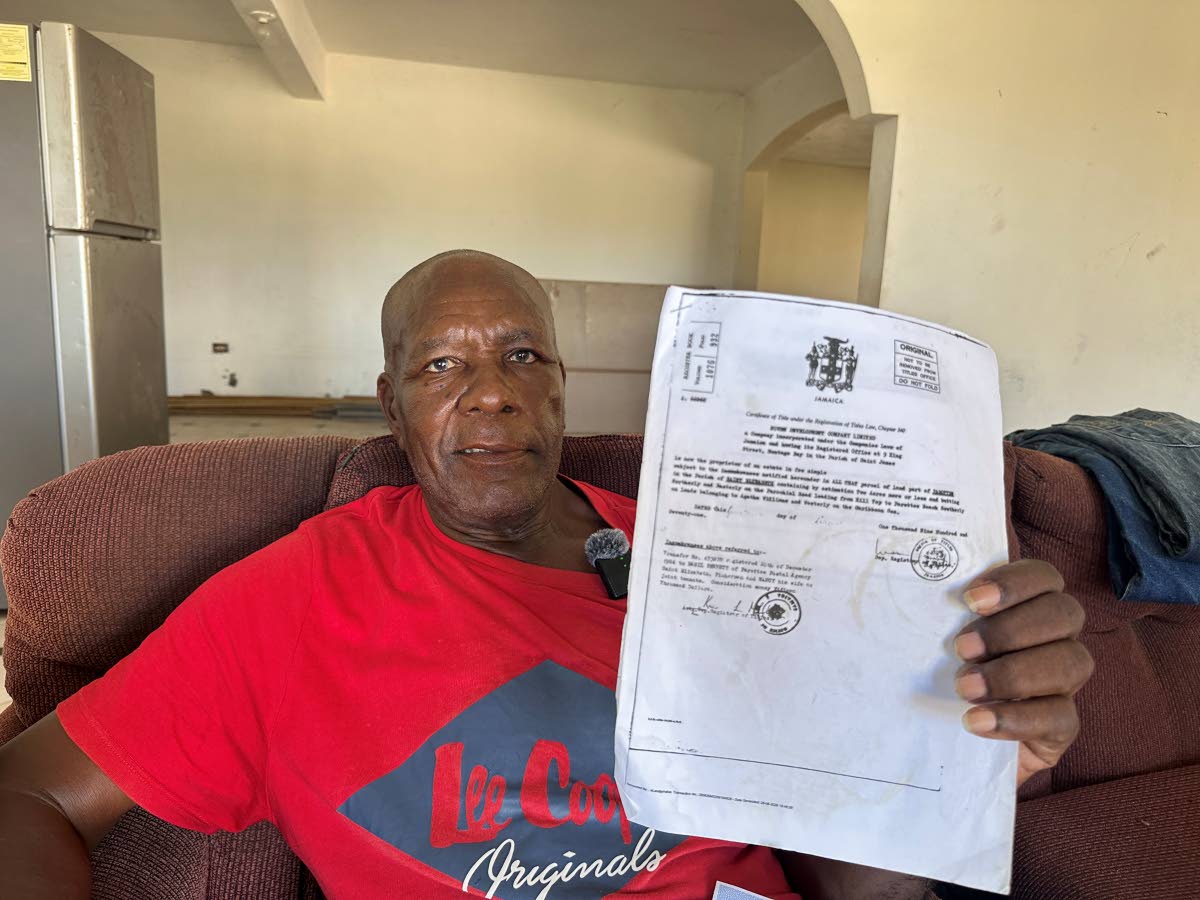 Basil Bennett, a fisherman and resident of Parottee, St Elizabeth, shows his land title while expressing reluctance to relocate from the vulnerable coastal community. Photo - Ashley Anguin/Photographer
WESTERN BUREAU:
Despite taking a battering from Category 5 Hurricane Melissa a year ago, some residents of coastal Parottee, St Elizabeth, remain reluctant to relocate, even as flood risks have rendered the community unsafe for continued residential use.
For some residents, relocation is far from appealing. They fear losing their livelihoods, seeing hard-earned investments go to waste, and being separated from family ties forged over generations in a community where life revolves around the sea.
Fisherman Basil Bennett, whose home sustained damage and fishing equipment lost when Hurricane Melissa struck on October 28, 2025, said his recovery has been “slow, slow, very slow”. He has been struggling to restore his fishing business, relying on the equipment that remained operational.
Still, Bennett told The Gleaner he has no intention of moving inland to Luana, one of the Government’s proposed relocation sites, fearing he would struggle to make a living away from the sea.
“Mi nah move. I am not moving from here,” he said matter-of-factly as he relaxed in his living room, resting his arm on a walker he uses to aid his movement around the house. “I am safe where I live. My place mash up but me alright.”
Bennett showed a copy of his land title as he questioned what would become of his fishing business and his properties, should he take up the relocation offer.
Prime Minister Dr Andrew Holness said the Government is advancing plans to relocate vulnerable Parottee residents, albeit stressing that the exercise will be voluntary, as no one will be forcibly dispossessed of their land.
Holness, who was speaking at the groundbreaking for the Luana housing development last month, said the objective was to move willing families into structured, more resilient communities.
The National Reconstruction and Resilience Authority has been tasked to collaborate with the Housing Agency of Jamaica (HAJ) in identifying suitable serviced lots for Parottee residents willing to relocate. The process is expected to include registration, needs assessments, and a beneficiary management system.
According to the 2022 Polulation Census released a year ago, Parottee has some 1,613 residents in 588 households.
Sandra Linton-Jones also depends on the sea for her livelihood.
For the fish vendor, starting over elsewhere holds little appeal. Still reeling from hurricane damage to her home, she is also grappling with an unreliable water supply and dwindling savings.
“Right now, our money that we had saved is going down, down, down because there is no job for us to save something and put it to one side,” she told The Gleaner. “My livelihood is right here in the sea. Here in Parottee is where I was born and grew up, and it’s very hard to leave.”
APPEALING FOR ASSISTANCE
While rejecting the relocation offer, she is nonetheless appealing to the Government for assistance, arguing that fish vendors had suffered heavily from the hurricane.
“Please help the fish vendors, especially those of us who live in poverty,” she said.
For senior resident Paulette Wright, who was born and raised in Parottee, leaving is no easy choice. She is reluctant to abandon a house she has poured money into rebuilding, on top of decades of investment in the property.
“No government is going to build a five-bedroom concrete house in any relocation move,” she reasoned, noting that she was only now learning of the plans to relocate vulnerable residents and that she had not been approached directly about a possible move.
Under the Government’s proposed arrangements, eligible families are expected to be considered for developments such as Luana and other HAJ-financed projects. Residents will be required to register using their National Identification System credentials and taxpayer registration numbers to support the allocation of lots or housing units and the delivery of financial assistance.
Parottee’s coastal location has shaped its economic life for generations, but it has also exposed residents to flooding, storm surges, and powerful hurricanes. Hurricane Ivan in 2004 left sections of the community waterlogged or isolated for weeks, while Melissa again raised questions about its suitability as a residential area.
However, these three residents are prepared to face whatever storms may come as they have no intention to uproot themselves from their beloved village.
albert.ferguson@gleanerjm.com