Western schools looking ahead with optimism
Loading article...
-
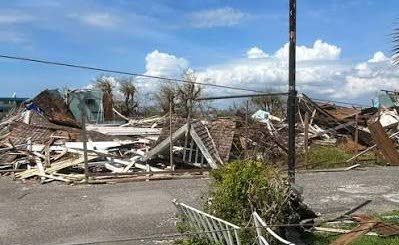 The Thomas Manning Building lies in ruin post-Hurricane Melissa. Photo - File photo
-
The Thomas Manning Building lies in ruin post-Hurricane Melissa. Photo - File photo
-
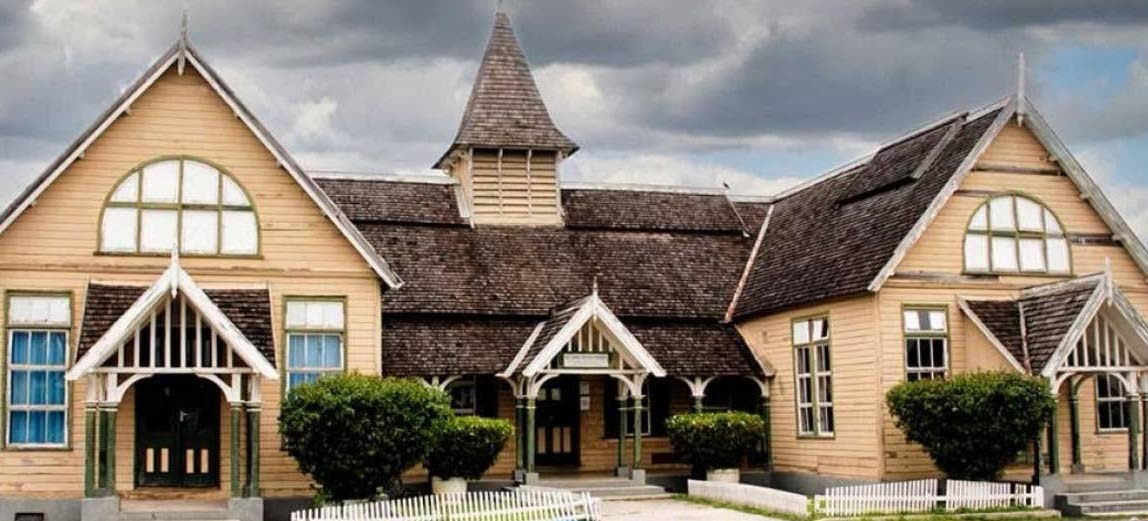 The Thomas Manning Building at Mannings’ School in Savanna-la-Mar, Westmoreland. The century-old structure was ripped apart by Hurricane Melissa last year. Photo - Contributed
-
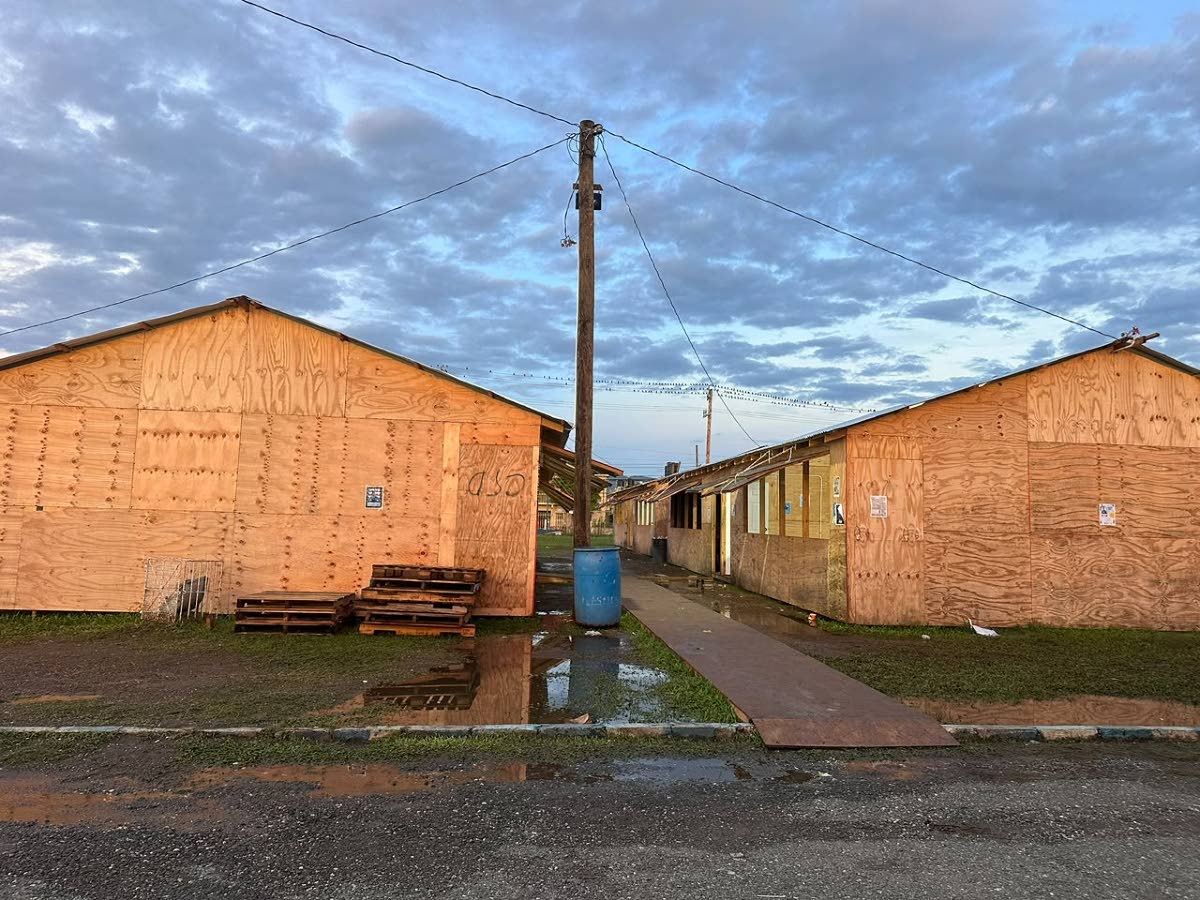 Wooden buildings now serving as temporary classrooms at Manning’s School in Savanna-la-Mar, Westmoreland. Photo - Contributed
WESTERN BUREAU:
A year ago, the educational sector in western Jamaica was paralysed by the force of Hurricane Melissa, which ripped off roofs, sent older buildings crumbling and did irreparable damage to school supplies and equipment.
While educators have been finding creative ways to keep many of the institutions functional, the damage requires not only physical repairs but also emotional and psychological recovery, especially for children still taking lessons in less-than-ideal conditions.
Steve Gordon, principal of Manning’s School in Westmoreland, which sustained severe damage to many structures, told The Gleaner that rebuilding the obliterated 110-year-old Thomas Manning Building is under active consideration.
The iconic structure, which was declared a heritage site in 1999 by the Jamaica National Heritage Trust, housed the school’s library. According to the school’s website, it was one of the oldest buildings of its kind in the Western Hemisphere.
“We are still working on the Thomas Manning Building to see what we are going to put in that building’s space, although, obviously, it will not be historic anymore,” he told The Gleaner. “Hopefully, by early next year, we can have some idea as to what we are going to do in terms of how the building will look and when we are going to start working on it.”
Gordon said that the contractors and the Ministry of Education’s National Education Trust (NET) were asked to undertake the school’s recovery with future resilience in mind.
“We got supplementary assistance through our past students, in terms of tents, so that we could have classrooms, and we still have wooden structures on the property that would enable us to have classes.”
Gregory Brown, principal at Knockalva Technical High School in Hanover, is more concerned about his students’ psychological and social responses since their return to school for the new academic year, even as the school’s physical restoration continues.
“One or two of our youngsters would want to say, ‘I wonder if we are having any more [hurricanes]?’ and so they take it as a marker to think that, if we pass October 28, it is likely that we won’t have any more storms,” he told The Gleaner. “There is also one subtle element, similar to what happened with Hurricane Beryl and with COVID-19, where the children were out of school and then came back with their social interactions with teachers and each other having been affected.”
He said social graces and common courtesies necessary for harmony in a community have been affected.
“This has caused our guidance counsellors to be working extra hard with the students,” said Brown.
Meanwhile, Sean Graham, headmaster at Maggotty High School in St Elizabeth, said work is progressing to build two classroom blocks and restore the school’s emergency sites and physical education zones. He said counselling has also been provided for the students to cope with Melissa-related trauma.
“The progress is sort of slow, but we are pushing along, and we are in a much better place. There are two construction sites at the school right now, with two classroom blocks being built from scratch, and they were plywood structures before. Work is being done to make them permanent,” he said. “The counsellors did some work with the students to help with their trauma. The students are happy to be back at school, and the staff are also happy, and everybody is optimistic.”
Repairs have been completed at more than 100 schools under the NET’s Build Back Better programme, the majority of which were in the hardest-hit parishes.
When schools resumed in September, repairs had been completed at 57 of the 308 Priority One (worst-affected) schools. All 265 moderately damaged schools, classified as Priority Two institutions, and all 108 Priority Three schools, which had suffered minimal damage, were operational, with work continuing.
In the Region 4 parishes of Westmoreland, Hanover and St James, where Melissa arguably caused the greatest damage, 55 schools have been rebuilt. A further 36 schools have been completed in the Region 3 parishes of St Ann and Trelawny, with 29 completed in Region 5, which covers Manchester and St Elizabeth. Of the remaining schools, 11 have been rebuilt in the Region 6 parish of St Catherine, seven in Region 2, which covers St Mary, St Thomas and Portland, five in the Region 7 parish of Clarendon and one in Region 1, which covers Kingston and St Andrew.
christopher.thomas@gleanerjm.com