Study reveals deep mental scars among hurricane survivors
Loading article...
-
 James
-
James
-
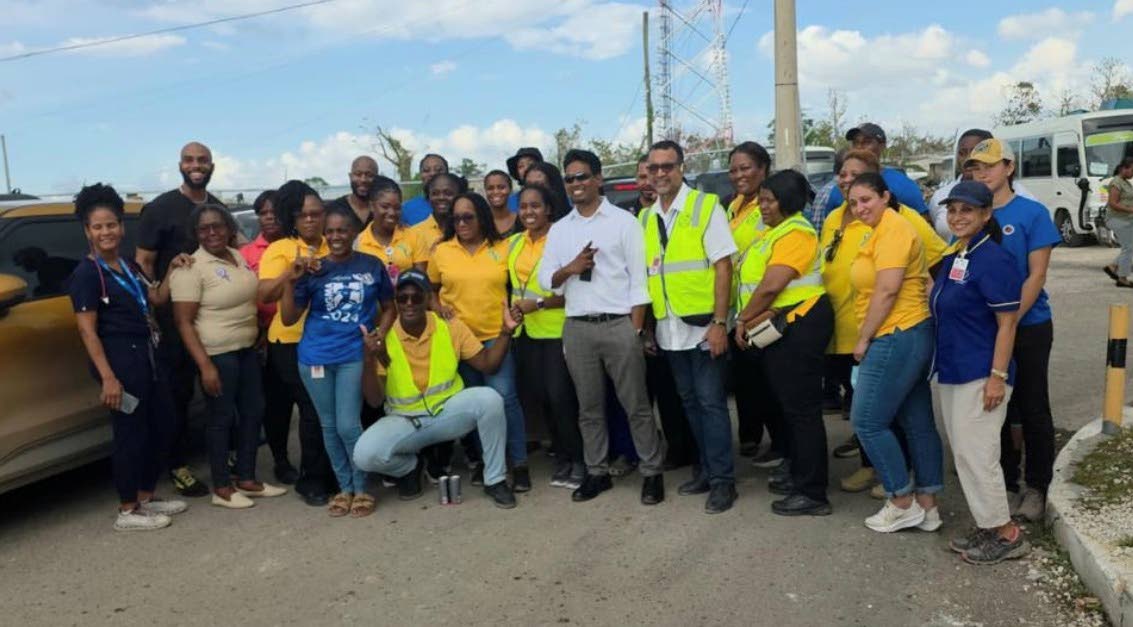 Mental health specialist Angelleath James and members of the research team who examined the psychological impact of Hurricane Melissa on survivors in Westmoreland. Photo - Contributd
WESTERN BUREAU:
Nearly one in three adults surveyed in the aftermath of Hurricane Melissa reported suicidal thoughts, while more than three-quarters experienced emotional distress, according to a study led by The University of the West Indies.
The findings, based on interviews with 108 adults in Westmoreland and conducted about three weeks after the Category 5 hurricane in 2025, offer a stark reminder of the psychological toll disasters can inflict as Jamaica observes the storm’s first anniversary on October 28.
Among those surveyed, 31.5 per cent reported suicidal thoughts and 76.9 per cent experienced emotional distress.
Mental health specialist Angelleath James, who presented the findings during the Mental Health Week Conference 2026, cautioned that the sample was relatively small and included hospital patients and shelter residents. Even so, she described the findings as deeply concerning.
“Beyond physical destruction, Hurricane Melissa inflicted severe sadness, grief, and despair,” James told The Gleaner, arguing that psychological support should be treated as an essential component of disaster recovery.
The strongest predictor of emotional distress was not the hurricane itself, but the financial hardship that followed.
Respondents experiencing financial strain were 6.4 times more likely to report emotional distress and about four times more likely to experience suicidal thoughts.
“When we accounted for sex, relationship status, education and the impact of the storm, financial strain was the only significant associated factor with emotional distress,” James explained.
For many survivors, recovery involved more than repairing homes. Jobs disappeared, small businesses were disrupted, and families were forced to start over.
One respondent summed up that struggle simply: “Want a job to help mi self.”
James said the findings highlight the need to link mental health support with economic recovery programmes.
“Counselling and livelihood support are not competing priorities. They ought to work together. A counselling session cannot pay rent, and a cash grant does not heal trauma on its own,” she said.
“Monetary support, roofing restorations, work programmes and help for small businesses and farmers are mental health interventions in their own right.”
The study also found that 84.3 per cent of respondents had no insurance coverage, while roughly one in four reported losing a job or business. More than a third had been displaced or separated from family members.
One survivor told researchers: “Feel like I was going to have a mental breakdown. Have to do everything all over again.”
According to James, the destruction of modest homes often represented the loss of years of sacrifice and hard work. For many, the emotional impact was compounded by the sudden loss of independence and the need to rely on others for support.
Almost a year later, researchers still do not know how many of those who were surveyed have recovered. Although participants reporting suicidal thoughts were referred for psychological assistance, a planned follow-up study and community intervention programme have stalled because of a lack of funding.
“Our plans to provide a post-hurricane mental health intervention have stalled because of a lack of funding. So we honestly don’t know how those individuals are doing today, and that worries me,” James said.
International research suggests psychological distress often persists when livelihoods remain disrupted, she noted. The same may be true for Melissa survivors whose homes have not been rebuilt or whose incomes have yet to recover.
The study also found differences in coping strategies. Men, though only about a third of participants, accounted for 60 per cent of respondents who reported coping through smoking or substance use. Women were more likely to rely on family support and prayer.
“Many Jamaican men are raised to ‘tek it like a man’, so their distress shows up as drinking, anger or withdrawal, rather than as a request for help,” James said.
Despite the challenges, researchers also found signs of resilience. Nearly half of the respondents reported what the study described as post-traumatic growth, including greater appreciation for family, community and survival itself.
James acknowledged mental health initiatives undertaken after the hurricane, but argued that psychological support should be integrated into disaster response from the outset.
“Mental health support has to arrive at the same time as relief supplies, not after them,” she said.
As Jamaica marks one year since Hurricane Melissa, James hopes attention will extend beyond visible reconstruction.
“We can count the roofs and the light poles. We can’t see the sleepless nights, the hopelessness, the parent who quietly wonders whether life is worth it, or the man who has stopped talking and started drinking,” she said.
“Many survivors are still carrying an invisible weight. They lost their savings, their independence and their sense of safety.”
Persons experiencing emotional distress or suicidal thoughts may contact the Ministry of Health and Wellness Mental Health and Suicide Prevention Helpline at 888-NEW-LIFE (888-639-5433).
janet.silvera@gleanerjm.com