Album Review | Protoje evolves, but leaves room for more on ‘The Art of Acceptance’
Loading article...
-
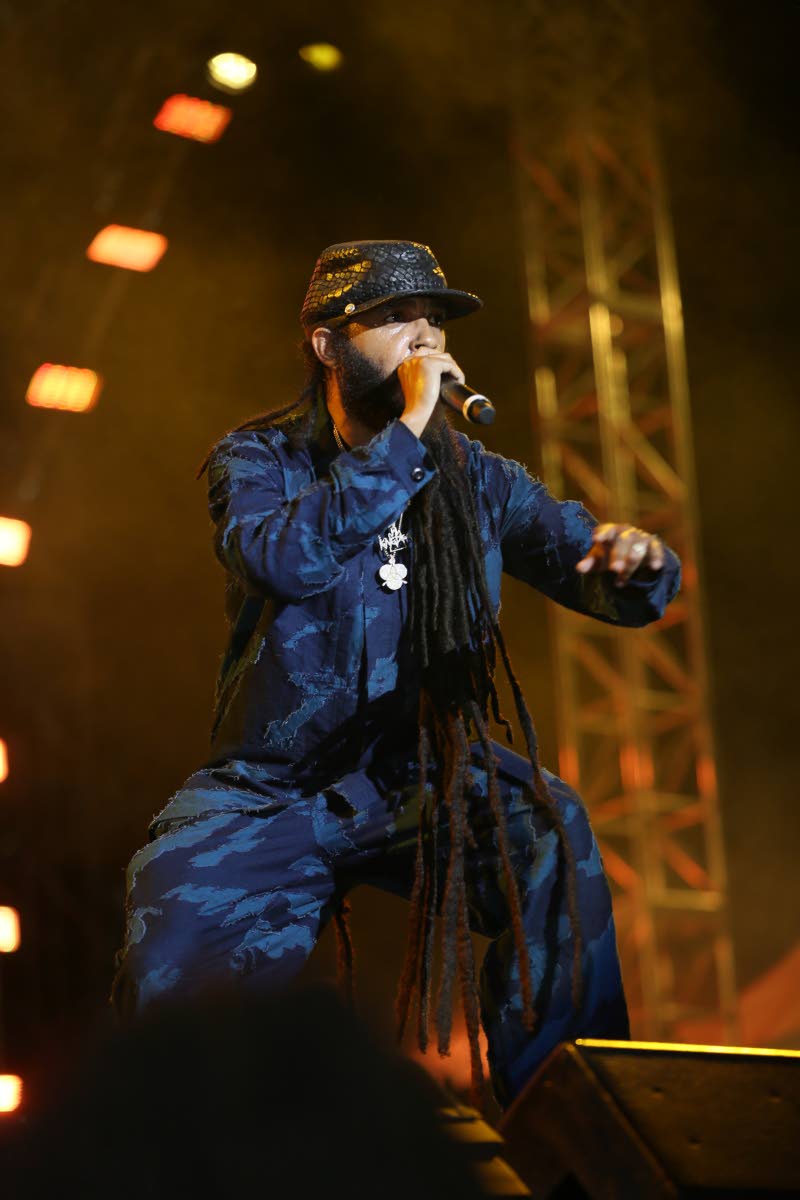
Protoje
-
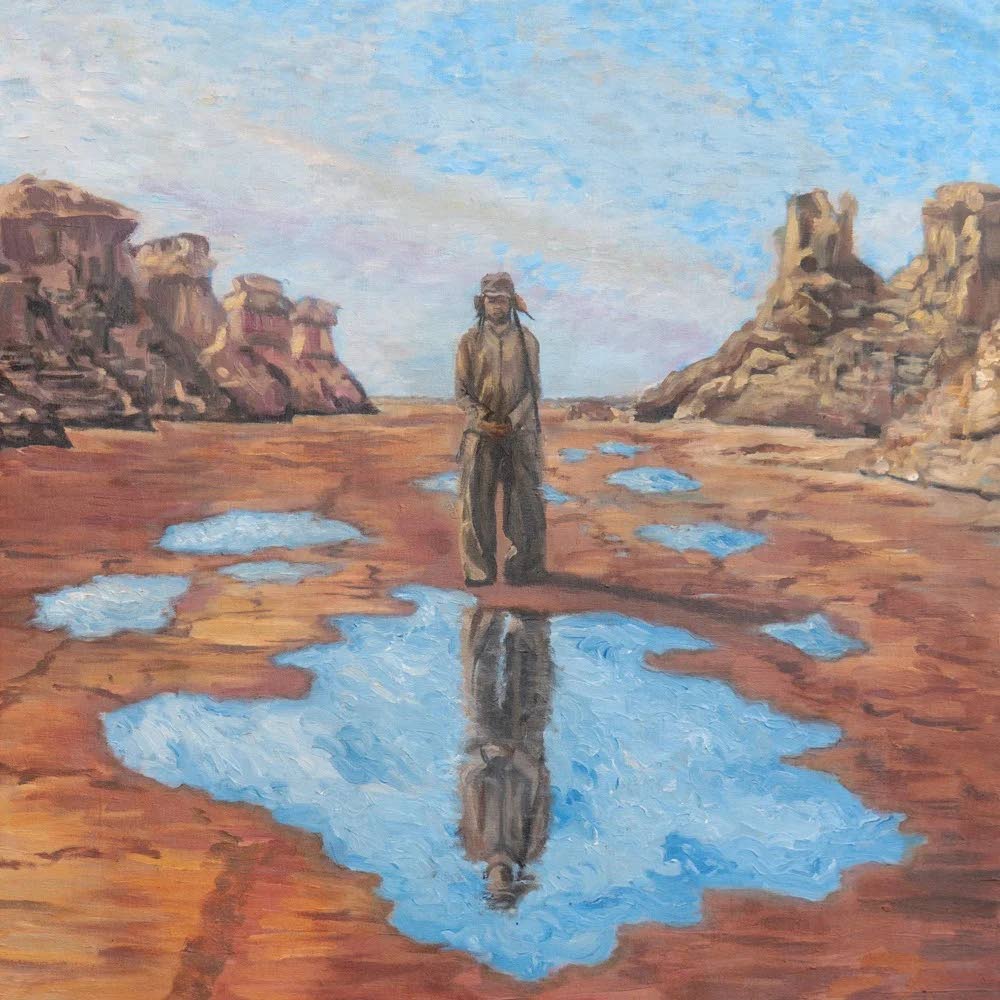 The cover art for ‘The Art of Acceptance’ by Protoje.
There is a particular challenge that comes with reviewing an album from an artiste like Protoje.
At this stage in his career, he is no longer emerging or proving that he belongs. That question has already been answered. What remains is more complex: how his music evolves, how it responds to the moment, and how it balances expectation with intention.
The Art of Acceptance, his latest full-length release, is a 13-track project with a runtime of just under 50 minutes. On paper, it is tightly constructed – concise and clearly structured. Of the 13 tracks, 12 do not extend beyond the four-and-a-half-minute mark, and the sequencing suggests an intentional flow from engagement to reflection to resolution. Compared to his 2023 project In Search of Zion, where longer runtimes allowed songs to unfold more fully, the brevity here feels efficient but at times restrictive in fully developing ideas.
It is an album that feels deliberate – sonically cohesive, thematically grounded, and shaped by an artiste who understands both his audience and his place within reggae’s contemporary landscape. There is confidence in the production, restraint in the delivery, and a consistent thread of reflection running throughout. Yet the album creates an interesting tension – not because of what it lacks in ideas but because of how those ideas are executed.
Across its runtime, the project leans heavily into philosophy and commentary, touching on identity, struggle, spirituality, and social realities. Protoje navigates these themes with clarity and intent. But as the album unfolds, a different question begins to emerge: not whether the message is strong, but whether the songs are given enough room to fully deliver on it.
From the outset, The Art of Acceptance establishes itself as a confident and cohesive body of work rooted in musicality. Live instrumentation plays a central role, with horns, layered percussion, and full band arrangements giving the album a richness that stands out in a landscape often dominated by digital minimalism. Tracks like Goddess lean into a reggae-jazz sensibility while BIG 45 carries the signature imprint of Winta James’ production – clean, textured, and grounded in tradition.
There is also a clear understanding of balance. Ting Loud injects energy into the album, with Masicka’s unrelenting flow elevating the track and adding a contemporary dancehall edge. Similarly, Feel It relies on groove and instrumentation rather than gimmickry to carry its appeal.
Protoje deserves credit for how he curates his collaborations, bringing together current dancehall powerhouses like Shenseea and Masicka with reggae royalty in Damian ‘Jr Gong’ Marley and Stephen Marley, as well as Pressure Busspipe – bridging generations in a way that reinforces both his range and his place within Jamaica’s evolving musical lineage.
Ting Loud, in particular, draws heavily from a ‘90s dancehall sensibility, with riffs and keyboard arrangements that echo the Riddim melody. That nostalgic foundation is one of the track’s strongest assets, grounding it in a familiar and effective sonic space. Yet, like several songs on the album, it feels as though it ends just as it settles in. The production sets up a strong framework, but the song does not fully capitalise on it, leaving the sense that more could have been done to develop what is already a compelling base.
That feeling becomes a recurring theme. The songs arrive with clarity, establish the mood and message, but often do not linger long enough to fully develop either. There is a sense that you need time to get acquainted with them, but they end before you do. While the brevity contributes to a tighter, more efficient listening experience, it can also leave tracks feeling as though they stop just short of their full potential.
As the album progresses, it leans further into its philosophical core. Tracks like The Locusts and Reference shift focus to social commentary, identity, and introspection, addressing real-world concerns with urgency and relevance. The ideas are strong, and Protoje remains firmly in the space that has long defined his artistry – music as a vehicle for reflection and critique.
However, there is a noticeable desire for more storytelling. While the album is rich in ideas, it often leans more towards philosophical statements than fully developed narratives. Compared to earlier work such as Weed & Tings, which allowed stories to unfold over time, the songs here can feel more like statements than stories. The ideas land, but they do not always linger. And yet there are moments where the album fully connects.
The song 1000 Lashes stands out as one of the most complete tracks. The addition of a brief bridge by Stephen Marley allows the song to expand, breathe, and resolve in a way that is noticeably absent elsewhere. It demonstrates what the album is capable of when its ideas are given room to develop. Similarly, Ten Times Around the Sun provides a fitting conclusion, reinforcing the album’s philosophical direction while offering a sense of resolution.
In these moments, the album aligns – message, structure, and emotion working together. The songs feel complete, balanced, and fully realised.
That contrast ultimately defines The Art of Acceptance. It is not an incomplete album but a selectively complete one – delivering fully in moments, and in doing so, making you wish that more of it had been allowed to reach that same level of realisation.
The Art of Acceptance is a sonically strong and philosophically grounded project that reinforces Protoje’s position as one of reggae’s more thoughtful voices. Its strengths are clear – live instrumentation, cohesive production, and meaningful themes – but its limitations are equally evident: in choosing efficiency and message, the album occasionally sacrifices storytelling, depth and structural completeness. The ideas resonate. The execution, at times, stops just short. And it is within that space – between intention and execution – that the album ultimately lives.
Evon T. Krishna Benjamin is a writer, poet and cultural analyst. Email feedback to entertainment@gleanerjm.com.