Earth Today | How hurricanes open the door for invasive species
Loading article...
-
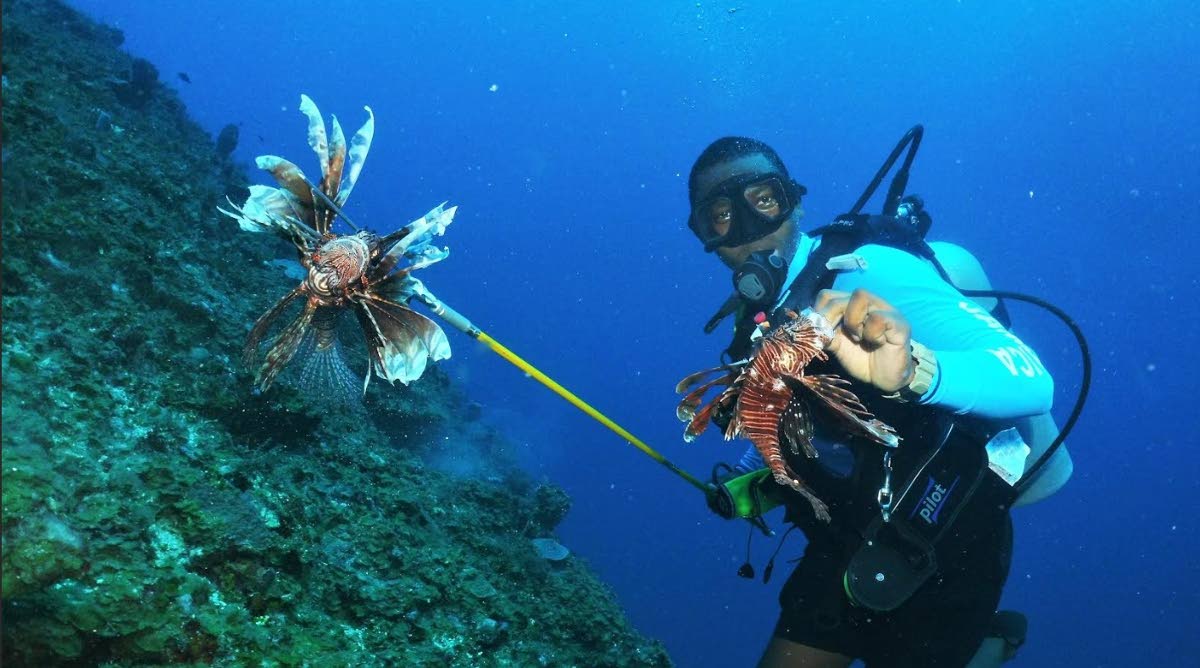 Spearfishing lionfish in the Caribbean.
-
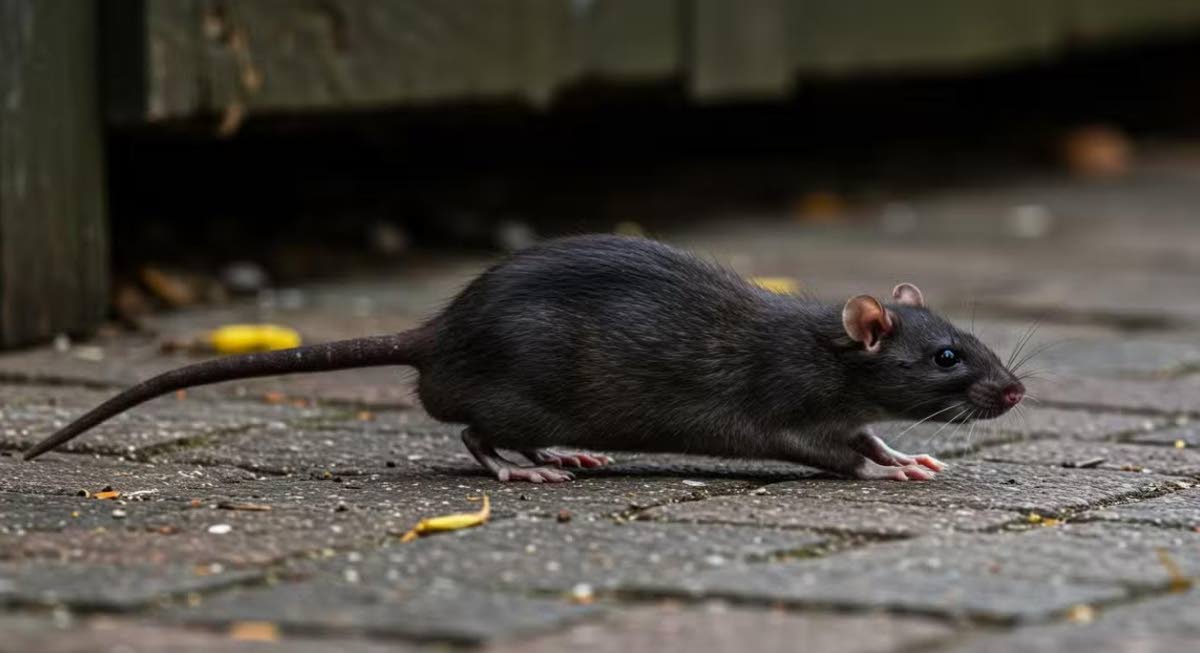 A black rat running on the street.
WHEN A hurricane barrels through the Caribbean, the damage is easy to see. Roofs are torn away, roads are flooded, and forests are battered. But, long after the news cycle has moved on, another less visible threat remains – invasive alien species.
Hurricanes damage coral reefs, uproot mangroves, and displace native species. In the aftermath, newly opened space and reduced competition create opportunities for invasive species to establish themselves and spread. Sometimes the storm itself moves them.
After Hurricanes Luis and Marilyn in 1995, green iguanas arrived on Anguilla aboard rafts of uprooted trees from Guadeloupe. Similarly, other hurricane seasons have left behind invasive black rats and house mice on small, previously pristine offshore cays like Green Cay near St Croix, threatening nesting seabirds and native reptiles.
Introduced to Jamaica and accidentally freed by Hurricane Gilbert, white-tailed deer have become a destructive invasive species, eating virtually any plant within reach. The spread of the destructive Indo-Pacific lionfish across the Caribbean was also hastened by severe weather.
Hurricanes disrupt the ocean currents that ordinarily keep species in check. Research has shown that this allowed lionfish larvae to drift past natural boundaries and spread rapidly across Caribbean waters they would not otherwise have reached.
Once they arrive on storm-damaged reefs, these predators consume native grazers like parrotfish, crippling the reef’s ability to recover from the storm’s physical trauma.
However, not all invaders arrive by sea. Saharan dust clouds regularly cross the Atlantic, carrying microscopic organisms including fungi and other pathogens that affect Caribbean coral reefs, yet the greatest risk comes from the ecological vacancies storms leave behind.
Hurricanes flatten vegetation and expose bare ground. These disturbed landscapes are ideal for fast-growing pioneer species, a characteristic shared by many invasive plants. Species such as coral vine (Antigonon leptopus) and wild tamarind (Leucaena leucocephala) can quickly colonise damaged areas, outpacing native vegetation.
Similar processes occur underwater, where disturbed habitats are easily colonised by invasive marine species like Halophila stipulacea, a seagrass that spreads rapidly when fragments become entangled in debris.
Recovery efforts can also unintentionally aid invasions. Unwanted species frequently hitchhike to new locations on boats, construction equipment, and landscaping plants brought in after a disaster. This makes the weeks and months after a hurricane a critical period for surveillance and rapid response.
In light of this, biosecurity must be part of disaster recovery planning. Before approving exotic animals for zoos or private collections, authorities must look beyond immediate safety and animal welfare. They must also consider the risk of an escape triggering an environmental disaster through invasive species, parasites, or disease.
However, environmental agencies cannot do it alone. Fishers, divers, farmers, and boat owners can all help by reporting unusual species. Currently, early detection remains one of the most effective, least costly tools for preventing invasions.
The good news is that healthy ecosystems are the best defence. Intact coral reefs, mangroves, and forests are more resilient to both storms and biological invasions. Investing in their protection before disasters strike reduces damage while strengthening nature’s ability to recover.
Contributed by Ulrike Krauss, climate change programme manager, Caribbean Biodiversity Fund