PARADISE OR PERIL - Funding gaps leave public beach short on basic amenities
Loading article...
-
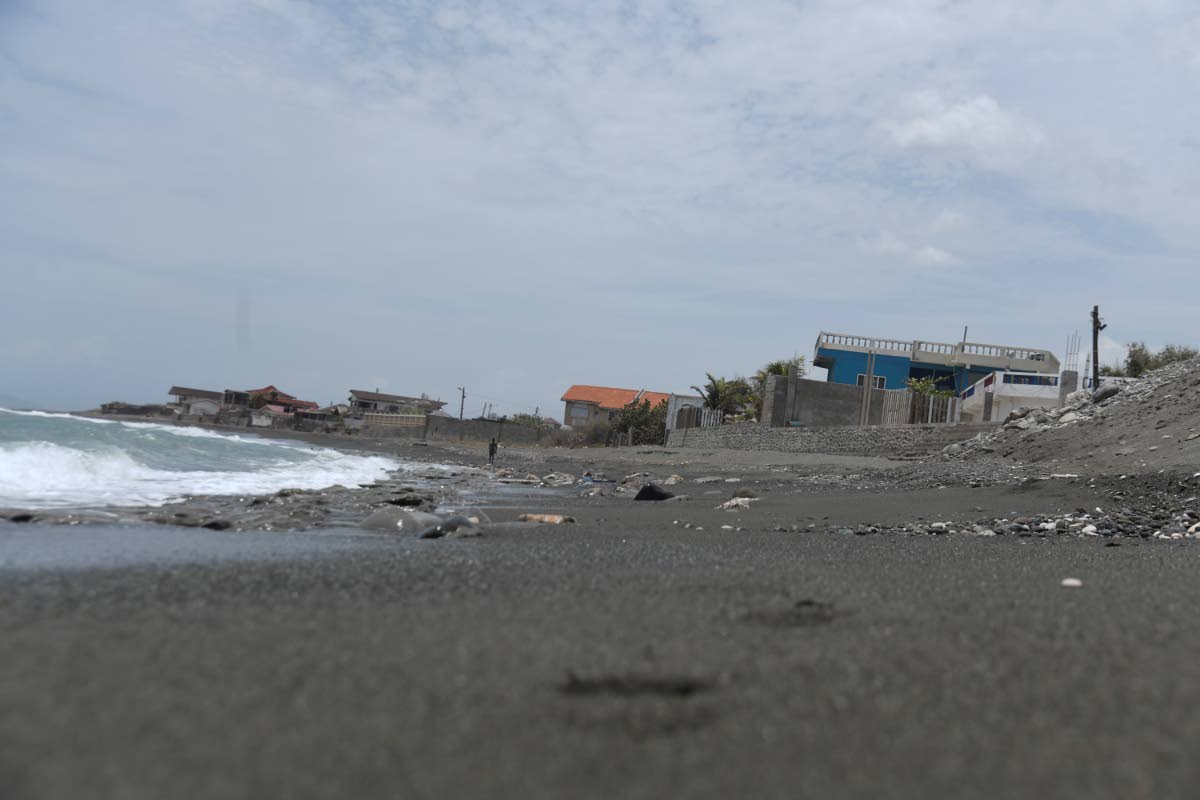
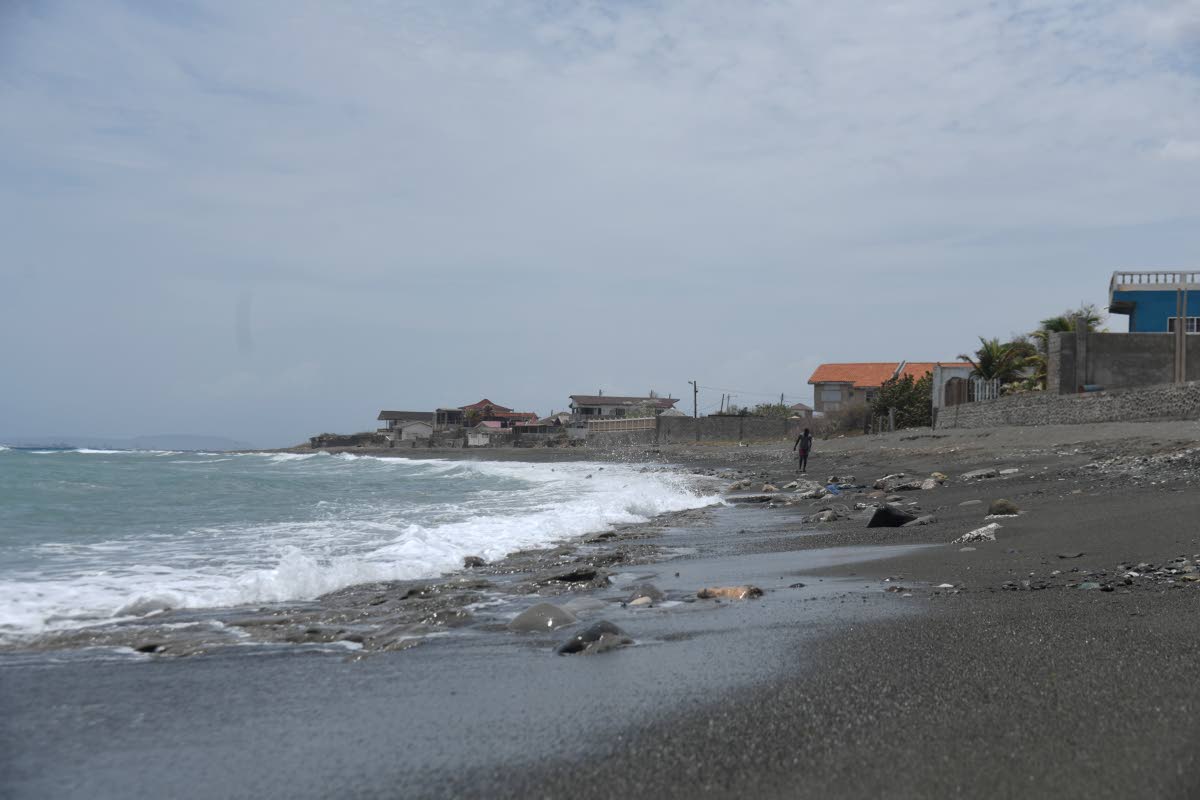 The Copacabana Beach in Bull Bay, St Andrew, on August 26.
-
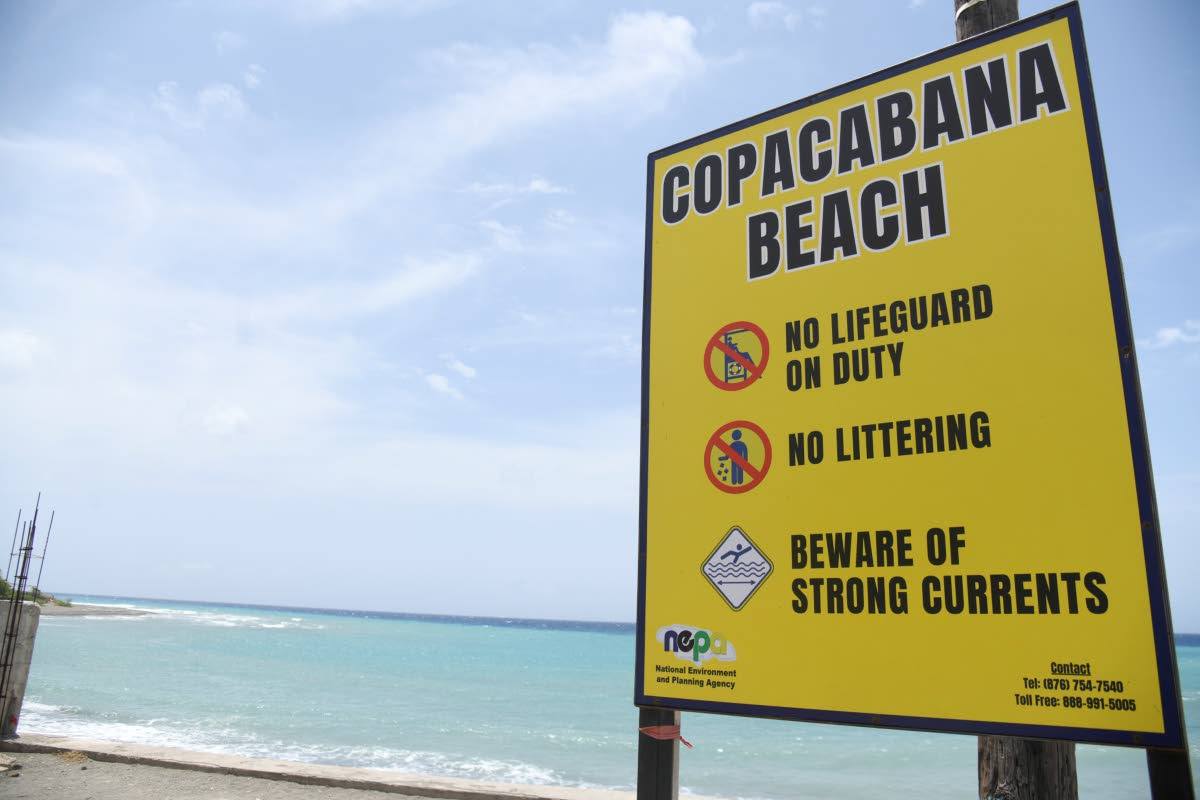 The Copacabana Beach in Bull Bay, St Andrew, on August 26.
-
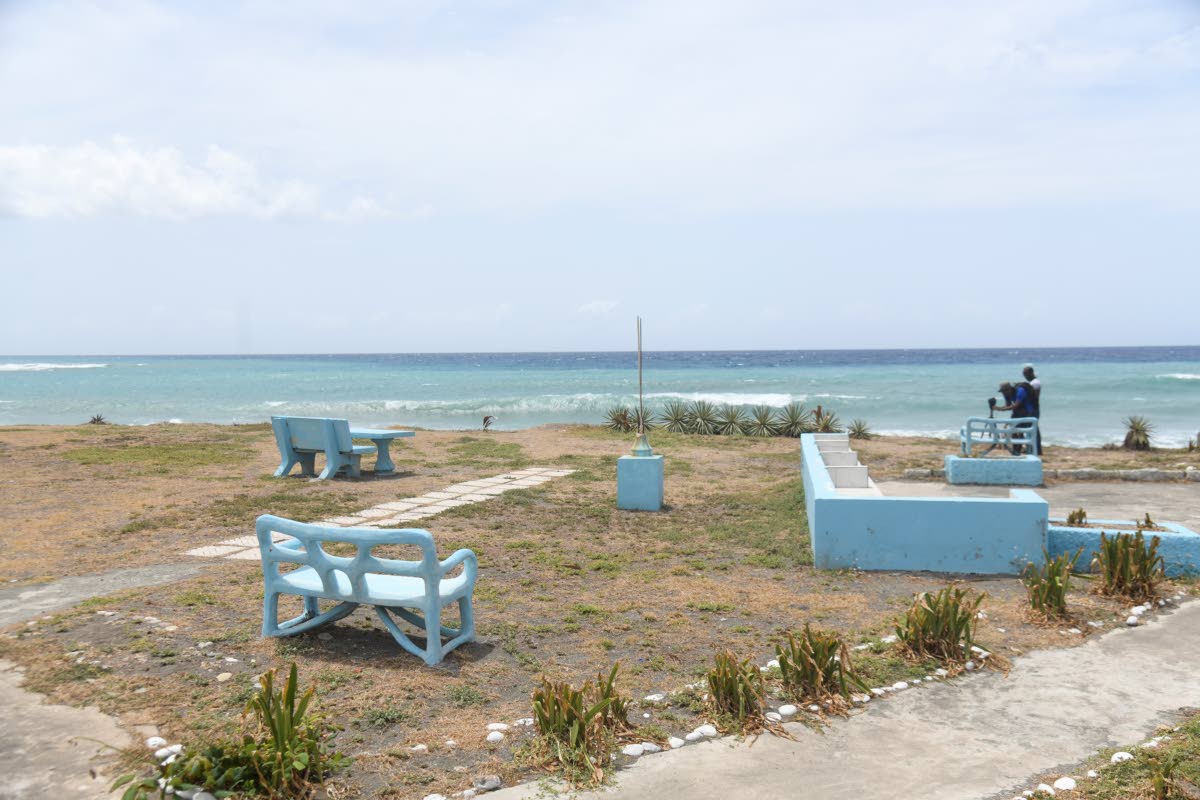 The Copacabana Beach in Bull Bay, St Andrew, on August 26.
-
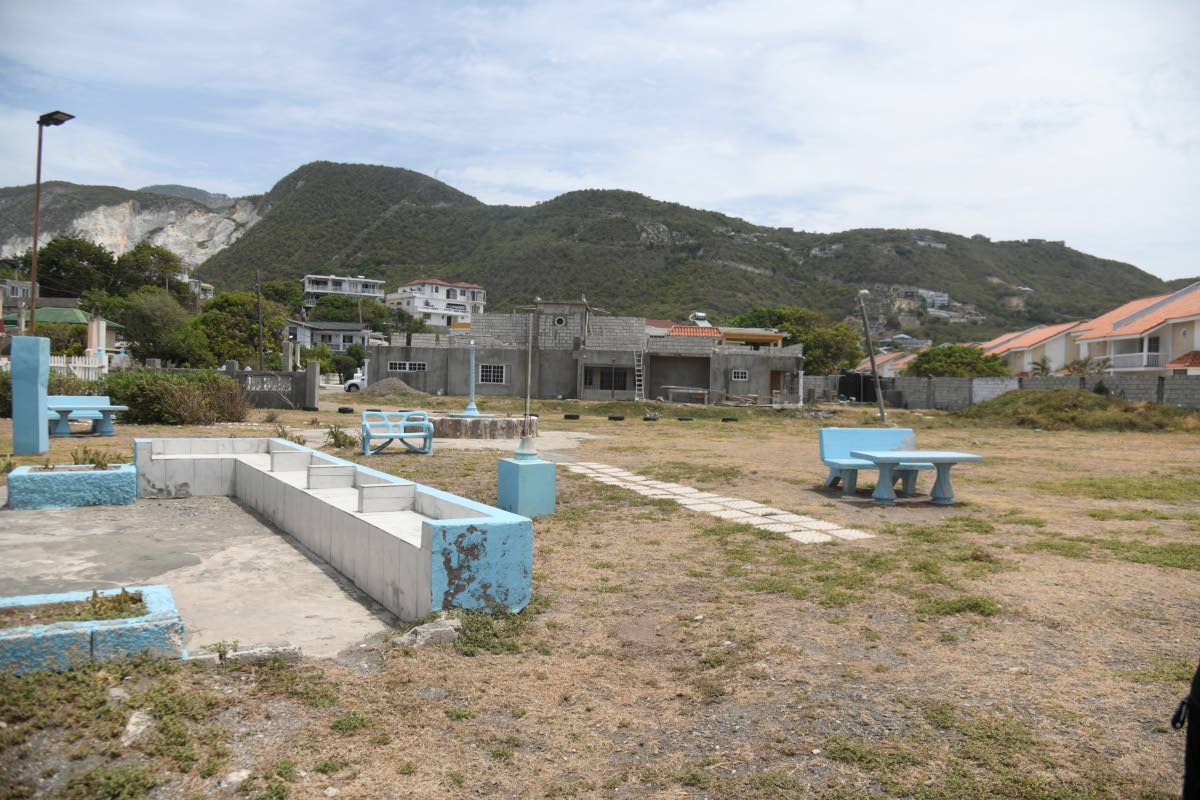 The Copacabana Beach in Bull Bay, St Andrew, on August 26.
-
 ,
,
-
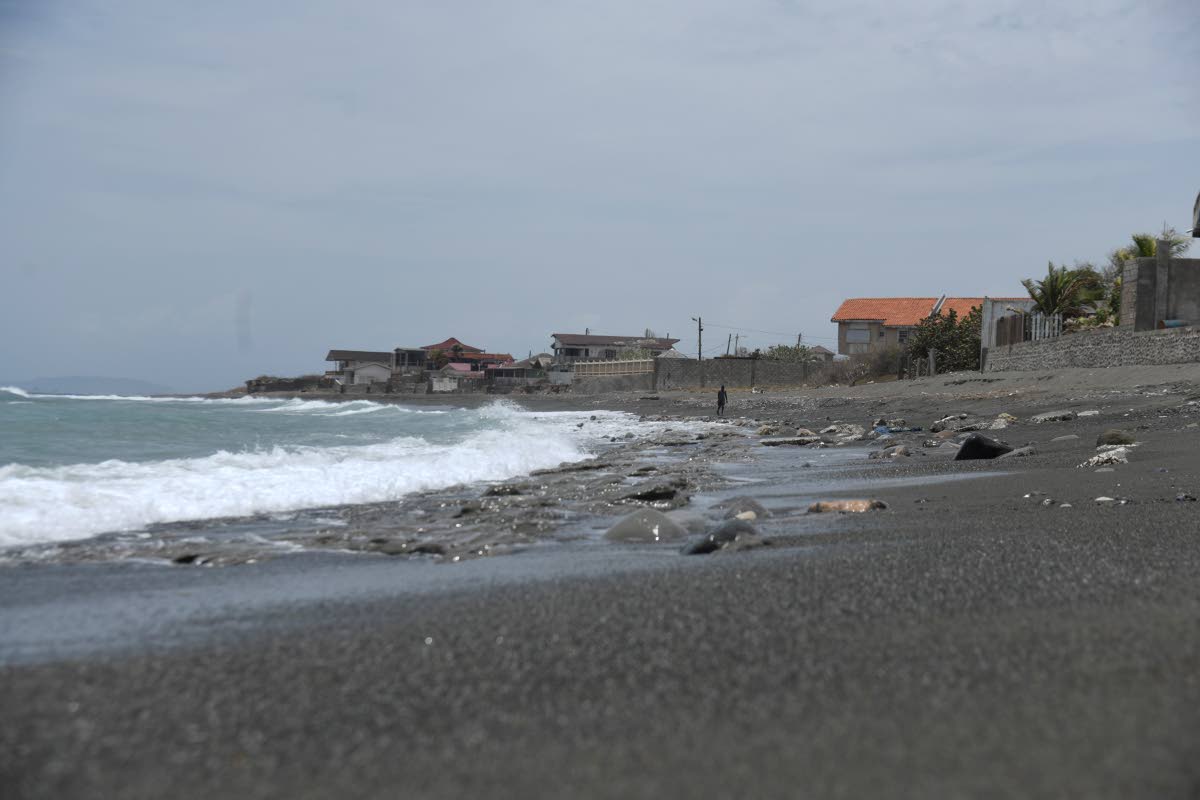 The Copacabana Beach in Bull Bay, St Andrew, on August 26.
-
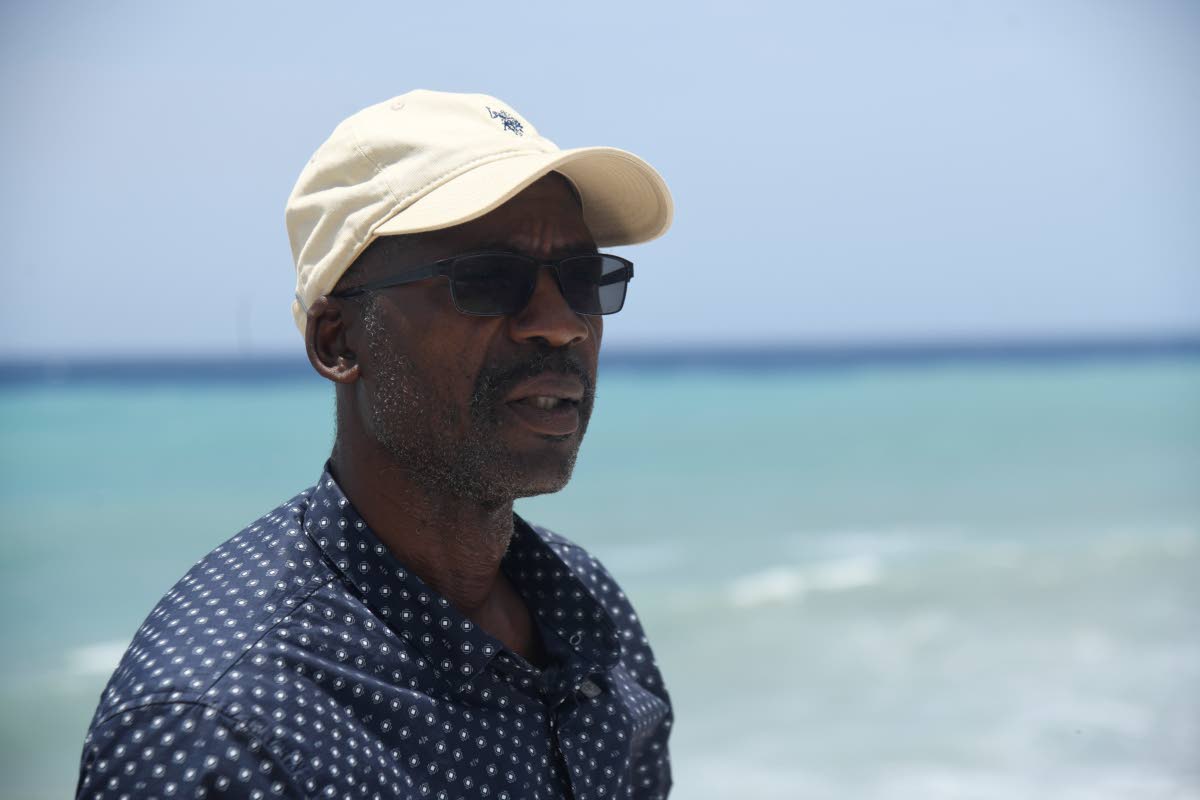 Ian Hudson, a lifelong resident of the Bull Bay community.
Depending on who you ask, Copacabana Beach in Bull Bay, St Andrew,can either be a beach lover’s dream or a nightmare.
The black-sand beach on the southern end of the eponymous community is among 60 beaches designated ‘public’ by the Ministry of Tourism.
Though located only 15 minutes away from the hustle and bustle of the capital city, a person looking to enjoy a relaxing day of warm sand and crystal-blue waters may consider that, even though the beach is ‘free’, the cost is too high.
According to community members, the beach can be dangerous and should not be used without caution.
“I’d recommend [because] it’s free but I wouldn’t say it is safe,” said Ian Hudson, a lifelong resident of the Bull Bay community.
Copacabana Beach is described by the National Environment and Planning Agency (NEPA) as being ‘in its natural state’.
Save for a gazebo, some stone benches and a sign warning prospective beachgoers, there has been no further development of the area. The shore is littered with rocks, debris, seaweed and anything else the ocean sees fit to spit out.
“It’s not all that safe now. You can see the tide is very high and that is the reason why we don’t run a beach because, if you run a beach, you have to have lifeguards - people to protect the people who use the beach,” Hudson said.
Anthony McKenzie, director of environment management and conservation at NEPA, said that, like many other public beaches, Copacabana is suffering from a lack of funding.
in need of upgrade
“The identified beaches on that list, it should be noted that they are actually at this point, to a large extent, beach spaces; lands owned by government. At one time, some of them would have had facilities for bathing and so on, but right now most of them are in need of upgrade and the government has committed to, over a period of time, upgrading those beaches. So they are public beaches as defined by the beach policy.”
While the Beach Control Act of 1956 does not provide a definition for beach or public beach, the Beach Access and Management Policy for Jamaica of 2018, with 2020 revisions, states that a public beach is any beach owned, managed or leased by a government entity to which the public has the right of use for lawful recreation or easement to or over the area by prescription, donation, and which has the requisite amenities, security arrangements and meets public health standards.
In March, while making his contribution to the 2026-2027 Budget Debate, Prime Minister Dr Andrew Holness tabled a new Beach Access and Management Policy.
funding has been an issue
“But the reality, though, is that, in some instances, funding has been an issue for some of these beaches,” said Hudson.
“And, again, that’s why the policy that was tabled earlier, the beach policy, acknowledges that reality and spoke to the need that government should be rehabilitating these beaches.
“If they are up to the standard that we would want, they would need to have lifeguards on duty, the area demarcated, and so on. So, in instances where that’s not the case, we put up signs to say that no lifeguards are on duty.”
While Copacabana, like many other beaches, is in a state of disrepair, Hudson said the community is no worse for wear, as there are other options available to meet the public’s needs, even though they are not free.
“Copacabana hasn’t been a beach, so to speak,” he argued.
“It’s really a housing scheme. The beaches are Cable Hut Beach, Brooks Pen Beach. Those are the public beaches when I was growing up as a kid and even up to now. Those beaches are run as beaches with lifeguards and stuff like that. People come out on the weekend and there are tuck shops and stuff like that.”
shanel.lemmie@gleanerjm.com