‘It must generate income’
Loading article...
-
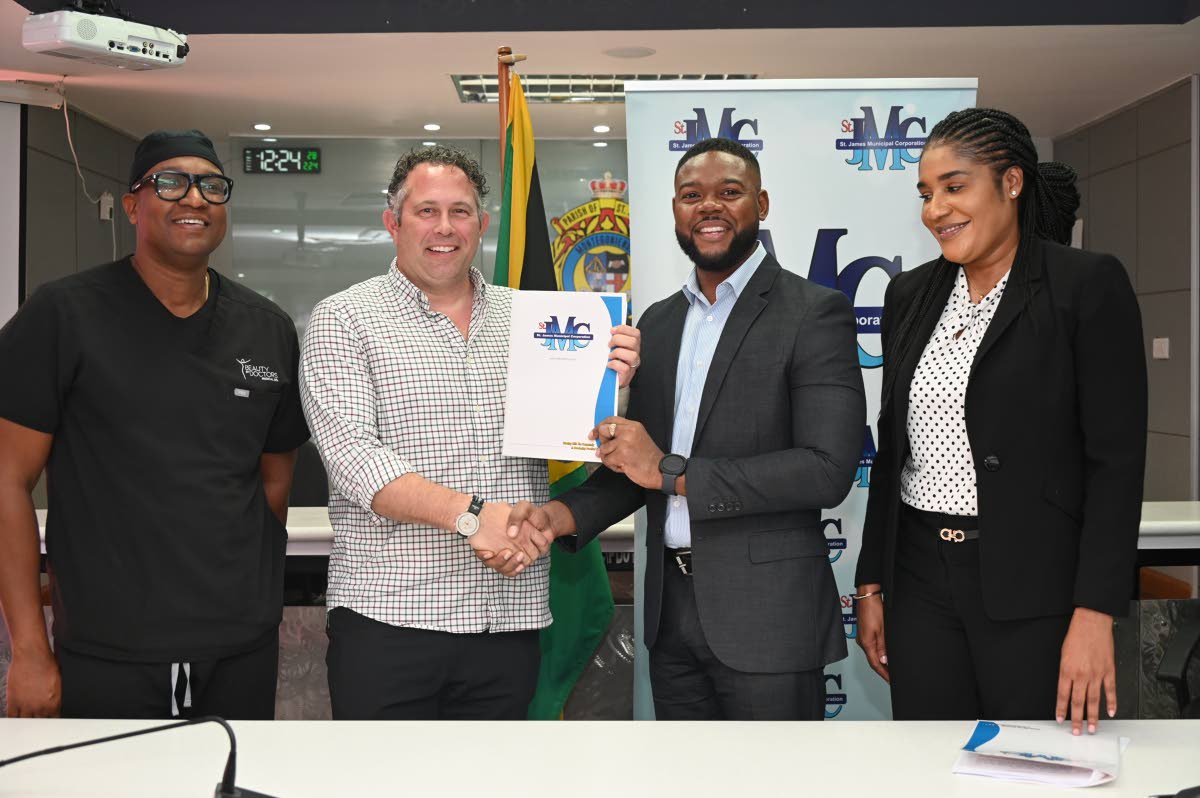 From left: Germaine Spencer, president of Montego Bay United, Yoni Epstein, Montego Bay Multi-Sports Development Ltd (MBMSDL) boss, Mayor Richard Vernon, chairman of St. James Municipal Corporation (StJMC); and Naudia Croskill, CEO StJMC during the official signing of the Montego Bay Sports Complex 25-year lease agreement at the StJMC chambers yesterday.
-
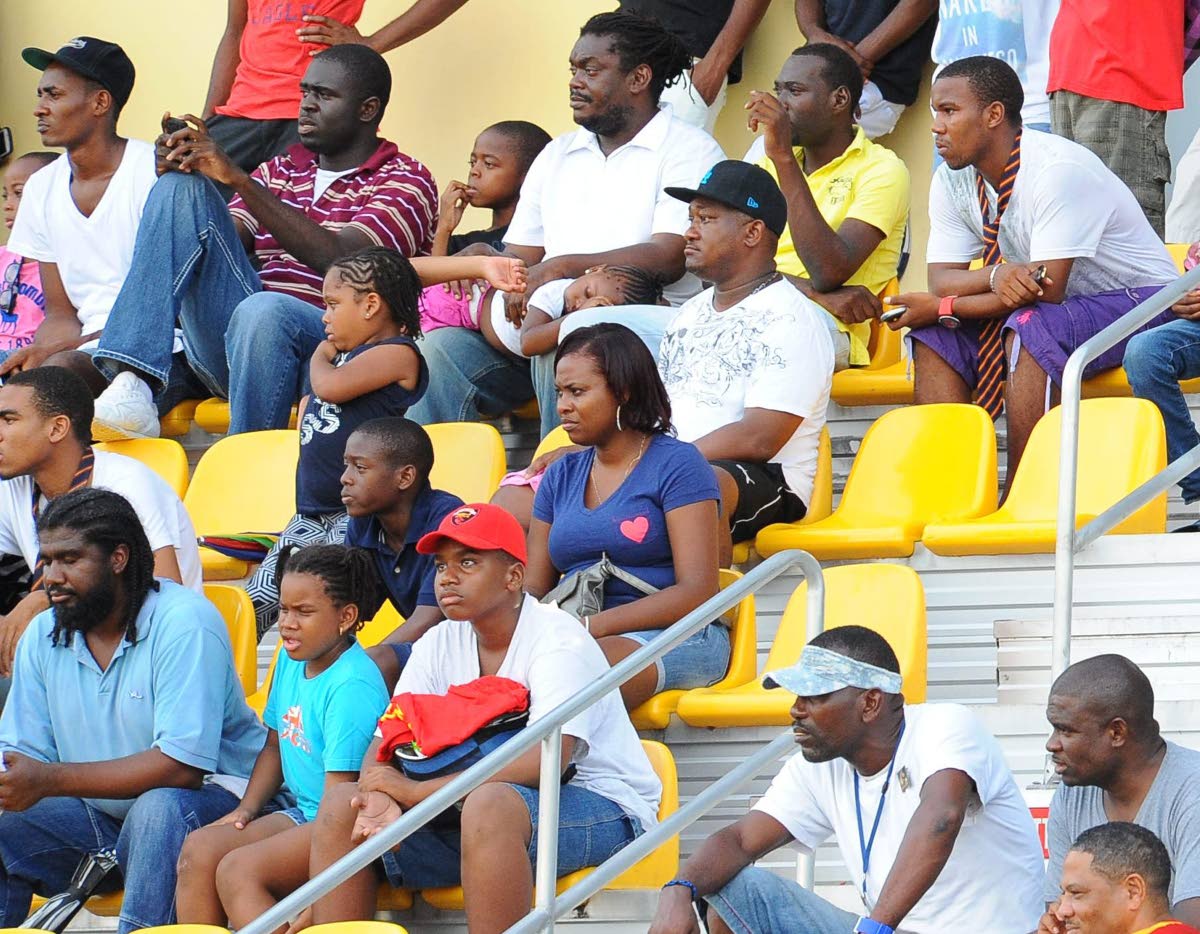 Football fans at the Montego Bay Sports Complex.
Head of the Montego Bay MultiSports Development Ltd (MBMSDL) Yoni Epstein is banking on the big business that sports is for a return on the $700 million investment his organisation has now committed to pumping into the Montego Bay Sports Complex.
Epstein’s MBMSDL officially became the lease holders of the Montego Bay Sports Complex yesterday, signing a 25-year agreement with the St James Municipal Corporation (StJMC).
The project aims to generate income through daily sports activities and youth development according toEpstein.
“Our intent going after this is that it must generate income, and it must be something that is beneficial to the city. We call it ‘Project 365’ as the stadium cannot survive only on big matches or big events. It has to survive on everyday opportunities,” Epstein said, noting that the 7,000 capacity seating could probably get to about 12,000 without a massive structural overhaul.
“Tennis, football, Pickle ball, and aquatics every day. You know, youth development from a football perspective, and all the different sports disciplines, track and field and so on, is really what is going to rebuild the west.”
“This partnership is to ensure that everyone has that ability to regain that power and show the other side of the island that the Second City is the best city,” added Epstein.
The deal signals a long-overdue revival for the US$14.9 million complex, opened in 2010, which has not hosted a major track meet since 2018 and has gradually fallen into disrepair.
Under the agreement, MBMSDL will roll out a phased development schedule aimed at restoring the complex to full operation after the lease takes effect on March 1.
“The timelines, part of the performance mechanism within the contract, has football starting within six months and be completed within 12 months, the swimming pool, within a year and a half, the track, within 12 to 24 months, and racket sports within two years. All other parts of the development, which includes a car park, expansion of seating, and all of that within the first five years,” said Mayor of Montego Bay Richard Vernon.
The plan also includes an immediate clean-up of the stadium grounds and coordination of funding support with the council and FIFA to ensure that the complex reopens as a modern, multisport hub for the region.
The agreement comes at a critical time for the facility, which has suffered years of deterioration and was extensively damaged during the passage of Hurricane Melissa late last year.
The setback is a major blow for the once-vibrant venue, which has now been left scarred and unusable.
“Football is not the only sport in western Jamaica nor that has put Jamaica on the map. Track and field is one that there are many stars that have been born out of the west, and not having a track facility has hindered that and caused other competitions to go elsewhere,” said Epstein.
“It is our intention that that is a major part of this redevelopment,” added Epstein.
Employment is expected to reach 20-30 full-time positions.
The company projects annual operational spending of more than $51 million, with rent to be paid through one per cent of revenue generated from ticket sales and usage fees, a model stakeholders hope will usher in a new era of sustainable sports management in Montego Bay.
But turning a profit will not be easy.
According to Naudia Croskill, CEO of StJMC, when the facility was handed over to the council, it never made a profit.
“We have always had to subsidise. You give us a personal dollar, so like $50 million deficit. However, when Montego Bay United started using the facility regularly, we were doing a little, but we were still having a deficit of almost $30 million annually,” said Croskill.